
Category: Bariatric surgery
Osteoporosis Medications, Action and Side Effects
May 25, 2019 3:40 pm
Treatment options should be approached is a global and systemic fashion. It is critical that the nutritional status is at its best possible and optimized for important healthy bone vitamins and minerals. Low protein needs to be corrected. Special attention should be given to nutrients, minerals and vitamins. These include Protein, Calcium, Magnesium, Vitamin D, and Vitamin K1/K2to name a few.
Healthy bones require ongoing and routine force in the form of exercise to remain health. Just as exercise improves muscle strength, it also improves bone health. Exercise is also critical in improving bone structure and density. Ideally, exercise should be weight bearing and resistance. Examples include: hiking, walking, jogging, climbing stairs, playing tennis, and dancing. Resistance type exercise is weight lifting and resistance bands. These exercise work by creating a pull or force on the bone either by gravity, movement or weight. Always check with your physician before beginning an exercise routine, start slowly and building up to longer periods of time. The ideal goal would be at least 30 minutes a day, every day, if you are able.
We frequently see patients immediately started on osteoporosis medications without checking or improving some of the nutritional markers noted above or without looking at exercise history. In some case, the medication recommended are contraindicated due to nutritional status.
The medications can be grouped in to those that help with new bone formation (Anabolic agents) or those that help by suppressing the bone breakdown phase (Antiresorptive agents).
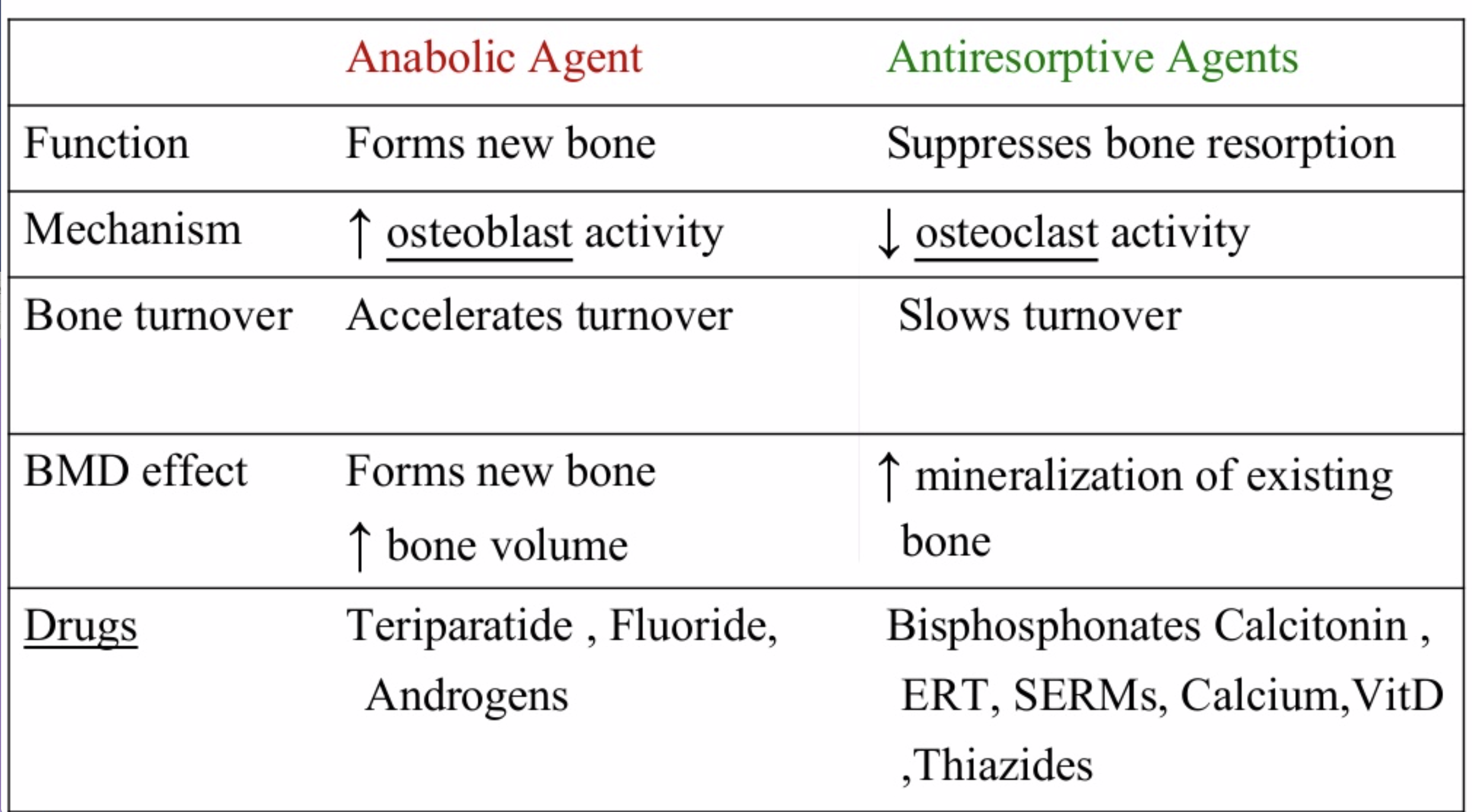
National Osteoporosis Foundation has an exhaustive list (below) of medications for treatment of Osteoporosis.
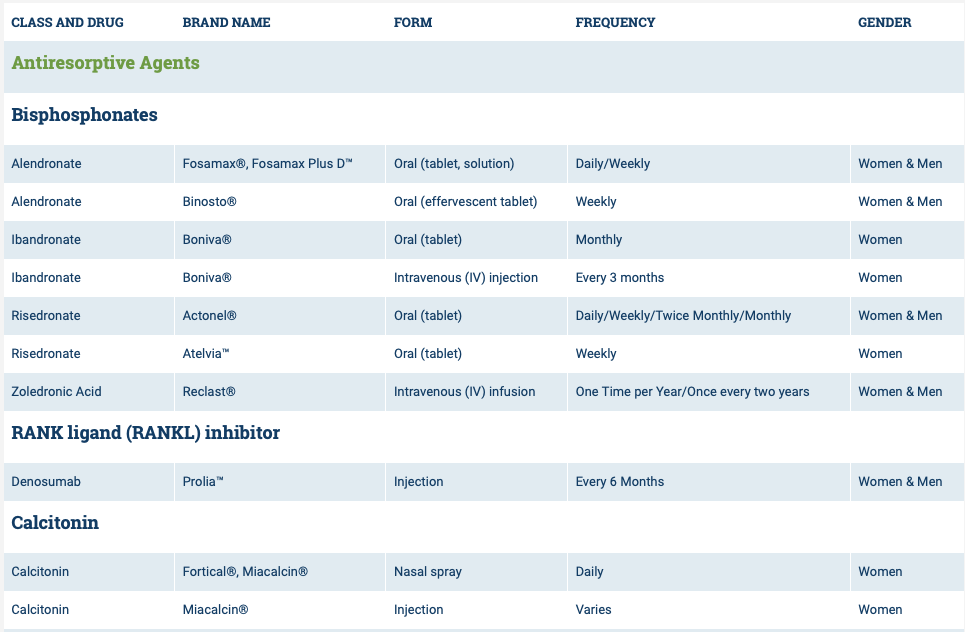
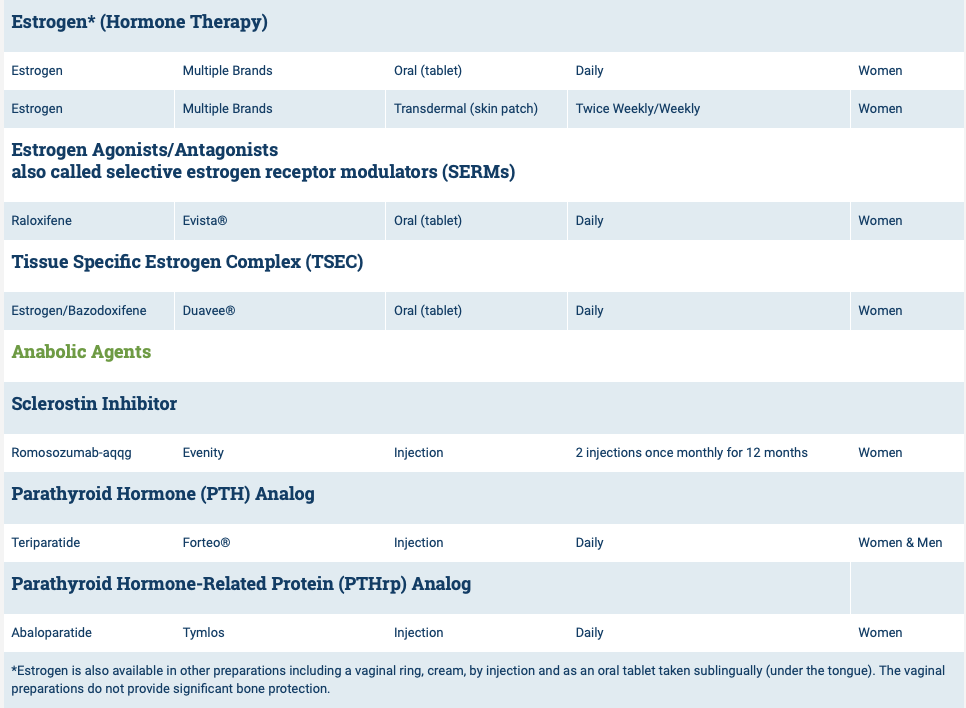
The table below outlines the side effects and mechanism of the actions of the common medications used for treatment of osteoporosis which was published by the University Health News Publication on August of 2014.
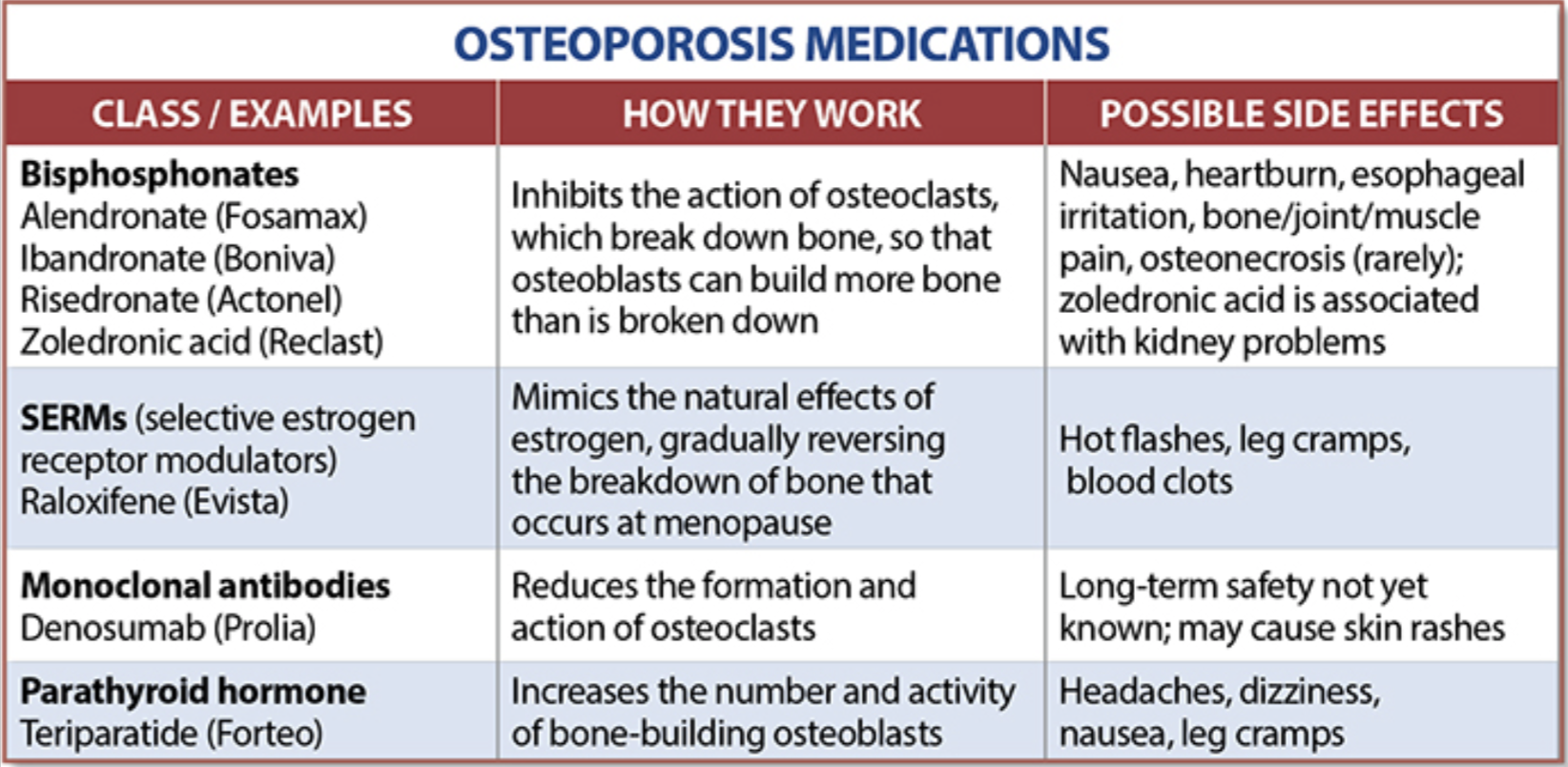
With all this information, the few points to remember is that the most important factors in healthy bone structure are the nutritional status Protein, Calcium, Magnesium, Vitamin D, and Vitamin K1 levels.
This is an animation of normal bone Metabolism. It shows how bone structures is taken down and rebuilt continuously. This allows for a healthy bone maintainence as we age. The key is the balance of breakdown (osteoclast) and the build up (osteoblast) activity is regulated. Osteoporosis develops when there is more breakdown that build up. 
With permission of Dr. Susan Ott of University of Washington.
Additional information available on her site.
Past blogs on Bone Health.
Dr. Facebook
March 22, 2019 8:24 am
We have become reliant on the information that we obtain from the internet, specifically platforms such as Facebook. In our practice we have to continuously correct information that patients have obtained from other patients, unmonitored sites, blogs, and postings. Most of this information is based on individual experiences that has become gospel. “Fat is good for you” is one of them. To clarify, some health fat (olive oil, avocado, Omega 3) is healthy and needed for all patients. We do not recommend “fat bombs” as a part of ones daily dietary intake.
The following article was written on the accuracy of nutritional posts in support groups on Facebook.
Koalall et. all in SAORD, December 2018 Volume 14, Issue 12, Pages 1897–1902 published
“Content and accuracy of nutrition-related posts in bariatric surgery Facebook support groups”
The conclusion, as suspected, that “Over half of the posts contained inaccurate content or information that was too ambiguous to determine accuracy..:”

It is our recommendation before any dietary recommendations are taken from facebook and the like, the source of the information should be verified. As I have stated in the past, a frequent flier passenger is probably not qualified to fly a
commercial airplane, any more than a previous weight loss surgical patient providing medical and nutritional advice. We realize that there is significant value to the forum for exchange of information and sharing of experiences with other weight loss surgical patients as long as the information is well sourced and verified.

Gastric Balloon
March 12, 2019 9:10 am
Here we go again…. There is a new cure for obesity, Gastric Balloon, with minimal to no risk, is an outpatient procedure and/or can be done in the surgeons office with no anesthesia. Have we not similar claimed like this before (Adjustable gastric band) ?
Randomized sham-controlled trial of the 6-month swallowable gas-filled intragastric balloon system for weight loss published in Surgery for Obesity and Related Diseases 14 (2018) 1876–1889, by Sullivan et. al reports
“Conclusions: Treatment with lifestyle therapy and the 6-month swallowable gas-filled intragastric balloon system was safe and resulted in twice as much weight loss compared with a sham control, with high weight loss maintenance at 48 weeks.”
This sound very promising, however is very vague and leaves out significant, critical, and pertinent information.
The outcome of weight loss at 24 weeks was reported in Total Body weight loss % (TBWL%), Excess weight % (EWL), weight loss, and BMI change. Of those, the last three were statistically significant changes.
The outcome the weight loss was reported to be at 7% TBWL% at 24 weeks with some weight regain, with the patient employing post REMOVAL life style changes. 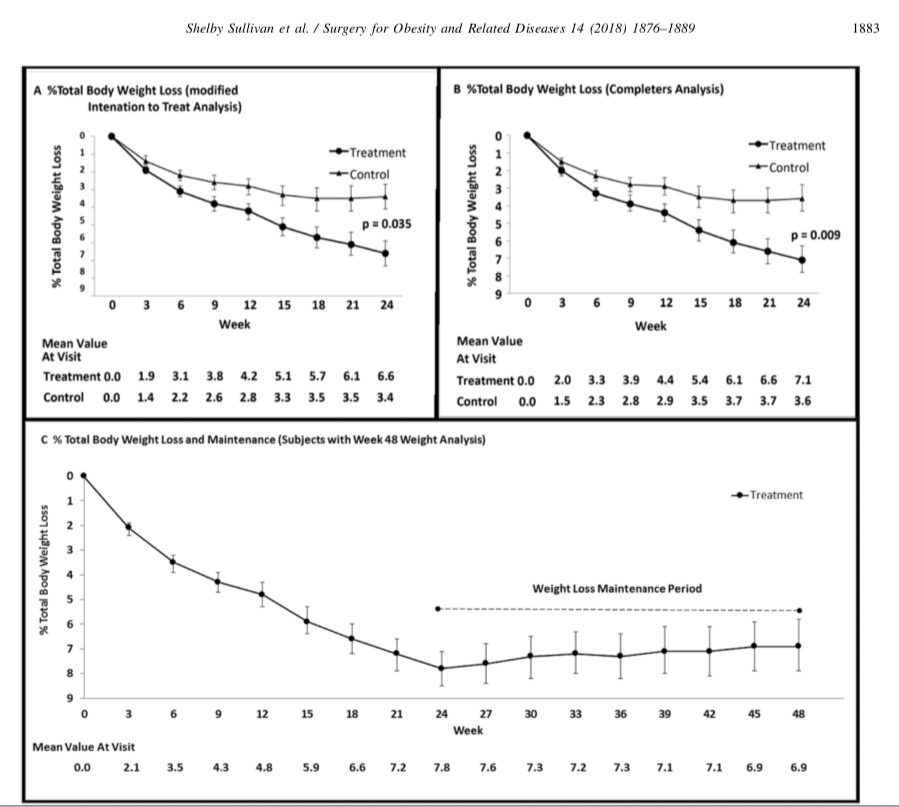
It is stated that the Gastric Balloon is temporary device that needs to be removed in 6 months and should be considered in low BMI patients (<35kg/m2). It is is important for those patients who are considering this temporary expensive measure for minimal weight loss to entertain the alternative of the same temporary results that may be obtained by lifestyle changes. These results may be maintained by a healthy lifestyle, exercise, and eating without the need for a device.
Adhesions, Internal Hernia And Bowel Obstruction
December 15, 2018 2:35 pm
Adhesions are fibrous bands of scar tissue that form during the healing process. Following surgery, many people live normally with this scar tissue. However, they are also the cause of bowel obstruction when the adhesions form in such a way that causes a segment of the bowel to either get trapped, or form a “knot”. In both of those cases, the end result is a partial narrowing or a complete blockage of the intestines. This is called bowel obstruction.
Without treatment, the blocked parts of the intestine can die, leading to serious issues. However, with prompt medical care, intestinal obstruction often can be successfully treated.
Other causes of bowel obstruction:
- In children, the most common cause of intestinal obstruction is telescoping of the intestine (intussusception).
- Intussusception telescoping of the interstine
- Hernias — portions of intestine that protrude into another part of your body
- Inflammatory bowel diseases, such as Crohn’s disease
- Diverticulitis — a condition in which small, bulging pouches (diverticula) in the digestive tract become inflamed or infected
- Twisting of the colon (volvulus)
- Impacted feces
- Colon Cancer
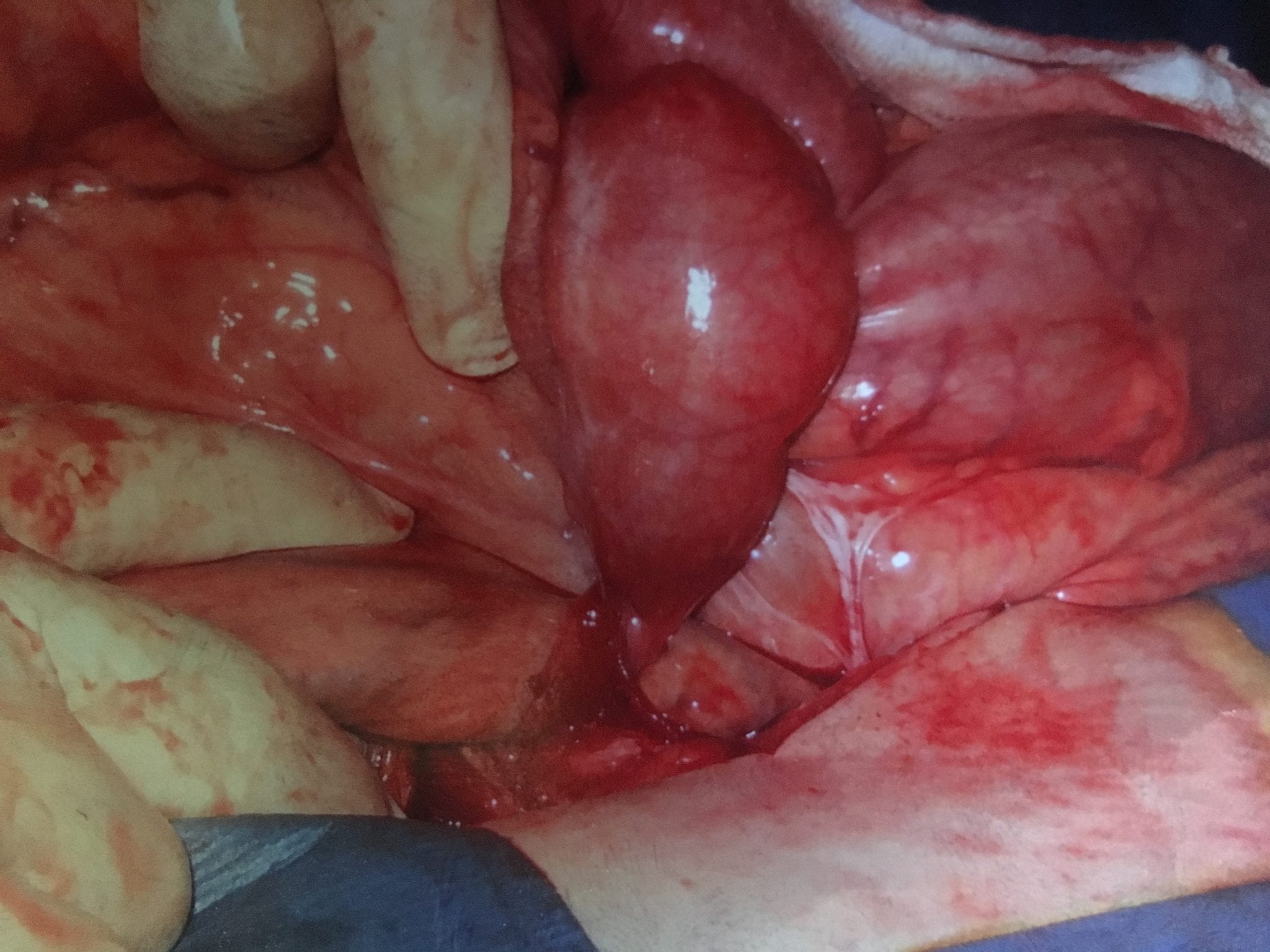
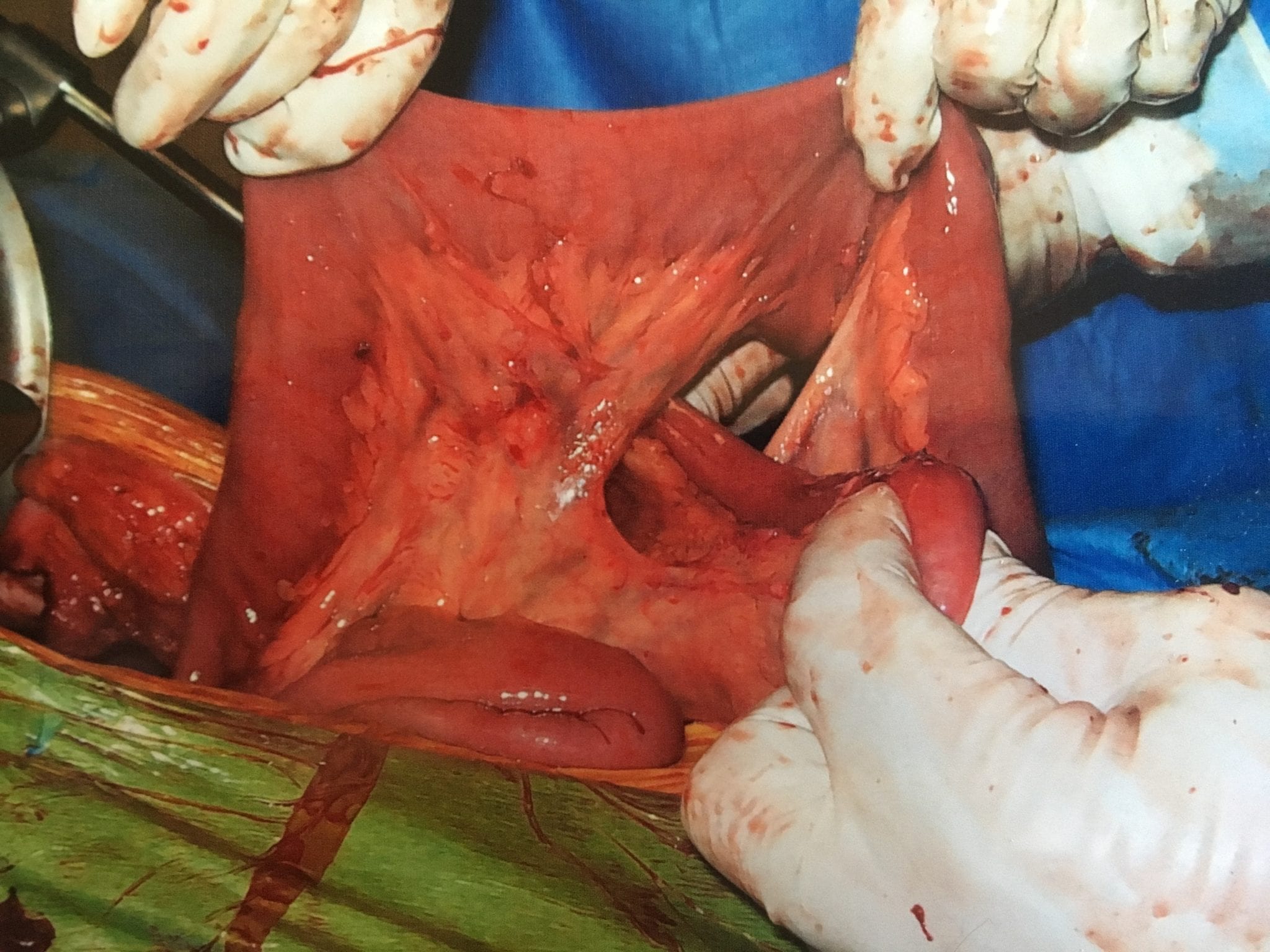
In patients who haven’t Bariatric / weight loss surgery or an untouched GI track, bowel obstruction may manifest itself by symptoms of loss of appetite, constipation, nausea, vomiting, enlarged abdomen, abdominal pain, cramping, with no passage of gas or bowel movements.
However, patients who have had a weight loss surgery (Duodenal Switch, or the Gastric Bypass) because of the parallel limbs of the small bowel, the symptoms outlined above may not present. The diagnosis of a bowel obstruction, when suspected, should be identified with CT scan of the abdomen and pelvis with Oral and IV contrast. A CT scan with no oral contrast or water instead of oral contrast is inadequate and may lead to a delay in diagnosis and surgical intervention. Examples of Bowel Obstruction CT findings were discussed previously.
The treatment for an internal hernia and adhesions causing a bowel obstruction depending on the severity may range from observation to surgical intervention in order to release the small bowel from the constraints of the adhesions.
GI Bleed following Weight Loss Surgery
September 17, 2018 10:28 am
Gastrointestinal (GI) Bleed following weight loss surgery is rare but does require knowledge of the particular bariatric surgical procedure the patients has and how to proceed with diagnostics to fully evaluate the situation. Acute or chronic gastrointestinal bleeding can cause anemia in patients. However, Anemia may also be caused by nutritional deficiencies (iron, vitamin , minerals), Kidney disease, bone marrow disease and others. The work-up for anemia following weight loss surgery follows a routine protocol. If there is an evidence of bleeding from intestine (bloody emesis, bloody bowel movement, “tar” like black bowel movements) then the diagnostic work up would include an upper and lower endoscopy.
Endoscopic Procedures:
Upper endoscopy Esophagogastroduodenoscopy (EGD): evaluates the esophagus, stomach and a limited area of the duodenum past pyloric valve.
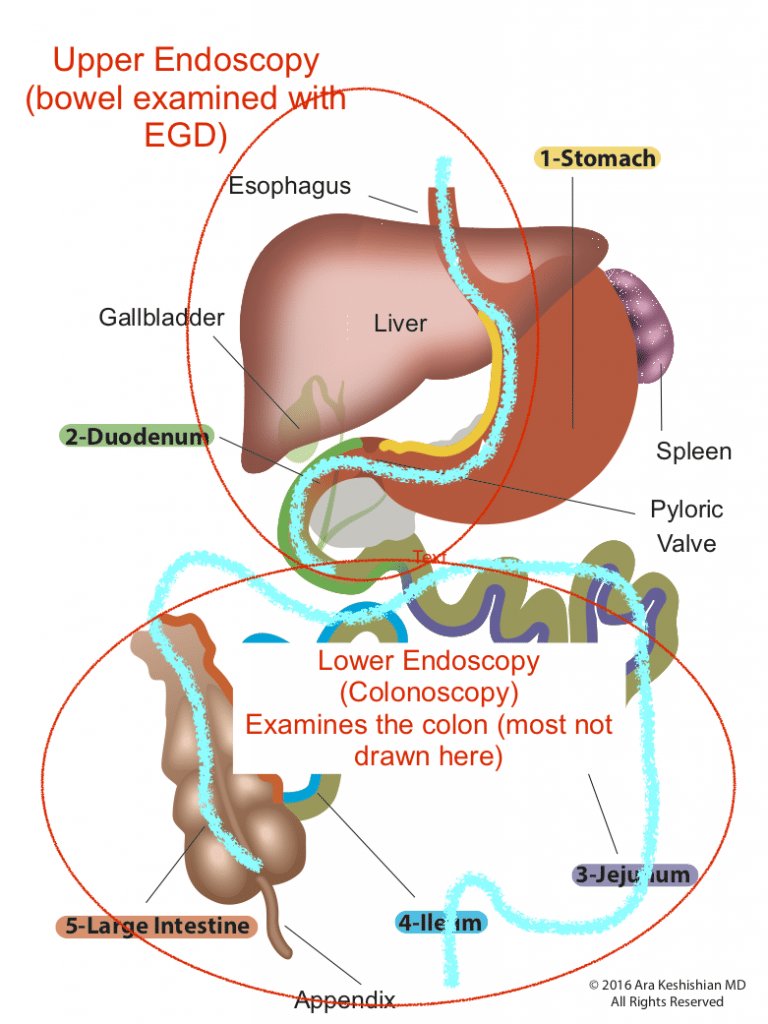
Lower endoscopy Colonoscopy or coloscopy: evaluates the rectus and the entire colon.
Between these two tests, there is still a considerable amount of the small bowel that is not accessible or visualized with endoscopic procedures. For the small bowel, examination Capsule endoscopy is an option in an intact GI tract. Patients who have had Gastric bypass RNY or the Duodenal Switch, the large segments of the small bowel can not be visualized or examined with capsule endoscopy.
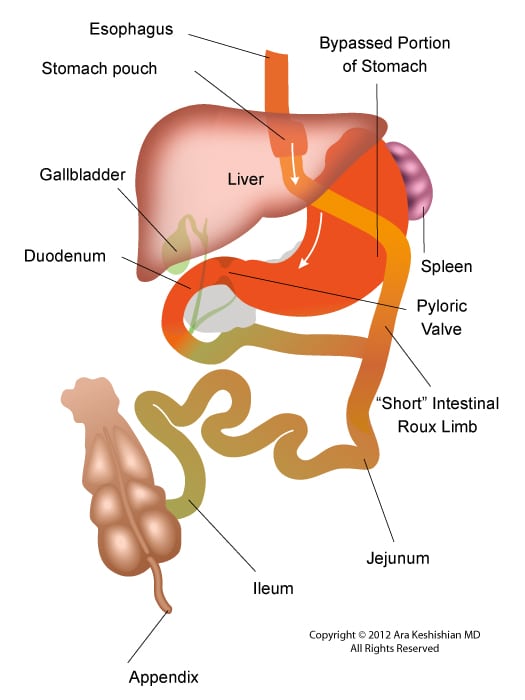
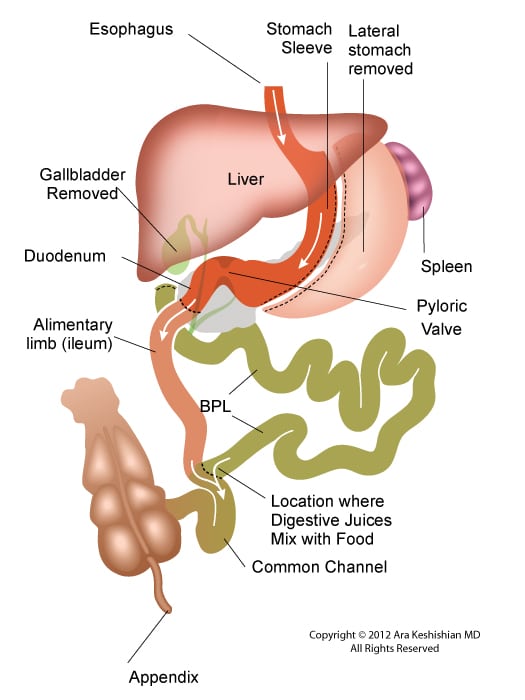
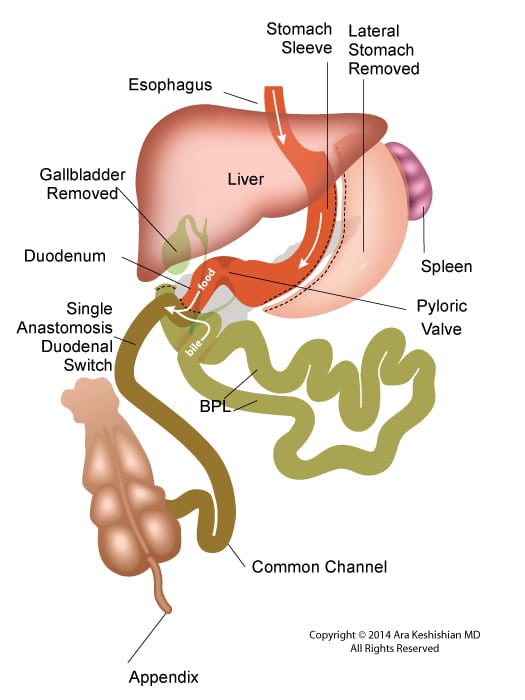
Patients who have had Duodenal Switch, Gastric Bypass and SADI – S would need a tagged red cell scan or CT angiography if GI bleed is suspected in areas of the small intestine that are inaccessible by endoscopic procedures.
Length of Small Bowel
October 26, 2009 2:49 am
It appears that there are series of questions and concerns that are not completely resolved, and they resurface every so frequently. Length of the small bowel for the Common Channel and the Alimentary limb in the Duodenal Switch operation is one of those topics.
The Questions that I am asked:
- How long is my common Channel?
- Another patient had the same length, but they are loosing more (or less) as the case may be.
- I was told by another surgeon that they would give me a certain length of common channel, what do you think?
The common problem is that there is no accurate and practical way to measure the length of the bowel. There is also two schools of though, with very little objective research to support one or the other. There is no published data that I could find that answers this question head on. There are number of other
articles, and presentations that touch on this topic.
The best reference that I think is worth looking over is an editorial by Dr. Hess. The link is provided below.
I would like to discuss this in an organized way.
The artistic work is done by yours truly!
First a Brief over view of our GI track:
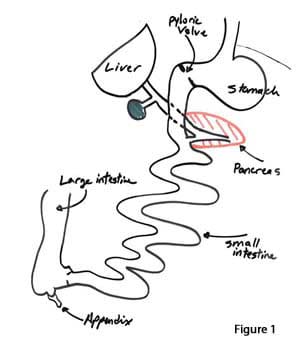
Our GI track starts at the mouth and ends in the rectum (figure 1). It is a long tube that has a very few side branches. These include the opening of the salivary glands in the mouth, the opening of the biliary (from the liver) and the pancreatic (from the pancreas) plumbing to in the first part of the small bowel
(duodenum) and the Appendix (at the junction of the small bowel and the large bowel).
Related article is available on our site.
The small bowel is the part that causes all this confusion. The small bowel is a long pliable, elastic tube that can be stretched (figure 2).
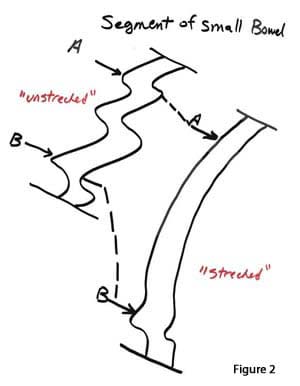
Depending on how much force is applied to it, it can be of different lengths. A similar analogy is the phone cord to head set of a conventional phone. The spiral cord placed on a table will coil up to a certain length. If one then pulls on two ends it will measure longer. And if more pull is exerted, then it will easure even longer. This demonstrates that the absolute measured length of the small bowel, is directly related to the force with which it is pulled. What this means is that if two individuals measure the length of the headset cord, or the bowel, they will get two different lengths, both correct but not the same. The length is directly proportional to the pull force applied to both ends.
Furthermore; the length of the small bowel is determinant of the absorptive capacity (amongst other factors). The longer the small bowel the more absorption, and the shorter the small bowel, the less absorption. There is a general-trauma surgical problem knows as short gut syndrome, where the length of the bowel is so short that it cannot support maintenance of the electrolytes and minerals, in additions to the required absorption of the calories. Short gut syndrome is a very difficult surgical problem to solve.
Getting back to our discussion however, we can now appreciate how two
surgeons can measure the same amount of small bowel (the same absorptive capacity) but end of with different lengths of small bowel. Same amount of bowel, same absorptive capacity, different lengths. This is why comparing lengths of small bowel is probably not the most accurate way to. Two patients, both with 75 cm common channels may have very different absorptive capacity, unless the bowel was measured by the same surgeon, and both patients had the same amount of total bowel length. We should next consider a possible alternative. Consider the drawing on (figure 3) and (figure 4).
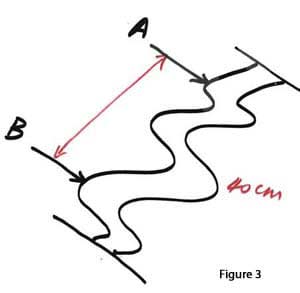
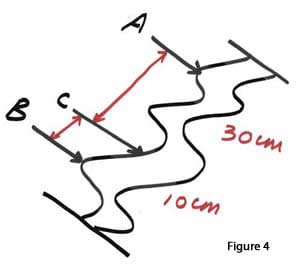
The distance between C and B is 25% (quarter) of the total length between A and B. This represents a segment of bowel that was measured and marked Now lets take the same amount of bowel and apply a little more pull force to the ends while measuring it. We will have a total length of 80 cm, between A and B (figure 5). The distance between A and C will be 60 cm and the distance between C and B will be 40 cm (figure 6). The absolute lengths then are double of the first case. Same amount of bowel, same absorptive capacity yet double the length. Does this mean that the second patient with distance between C and B at 20 cm will absorb twice as much as the first patient? The answer is no, since it was the same amount of bowel that was measured with different technique.
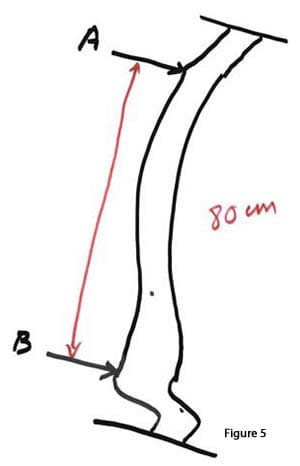
Lets now however look at this from another perspective. In both cases the distance between C and B was only 25% of the total length.
| Distances | Figures 3 & 4 | Figures 5 & 6 |
| Total length A-B | 40 cm | 80 cm |
| A-C | 30 cm | 60 cm |
| % of total | 25% | 25% |
The table above shows why lengths of bowel discussed in-terms of percentage of total may be a more standardized than the absolute numbers.
In this example both patient will have same absorptive capacity (25%) yet will have much longer absolute lengths. In our practice, we measure the total length and the common channel and the alimentary lengths are based on the patient BMI, comorbidities, age, sex, and activity level.
Please remember that this is only my opinion, different surgeons do it differently.
Drug interactions and Herbal Supplements
September 25, 2002 8:03 pm