
Category: diet
Is Sucralose (Splenda) Bad for You? What the Science Says
November 05, 2026 8:59 am
Sucralose, best known by the brand name Splenda, is one of the most widely used artificial sweeteners in the world. It shows up in diet sodas, protein powders, flavored waters, sugar-free desserts, nutritional supplements and countless processed foods. The appeal is obvious: sweetness without the calories.
But is replacing sugar with sucralose actually better for your health? It is approved for use in food, yet research continues to ask questions about its effects on the gut microbiome and long-term health. Approval for consumption does not mean that heavy, habitual use is beneficial. Here is what the science currently shows.
What Is Sucralose?
Sucralose is a non-nutritive (zero-calorie) artificial sweetener made by chemically modifying sucrose, ordinary table sugar. Three of the sugar molecule’s hydroxyl groups are replaced with chlorine atoms, which makes it about 600 times sweeter than sugar.
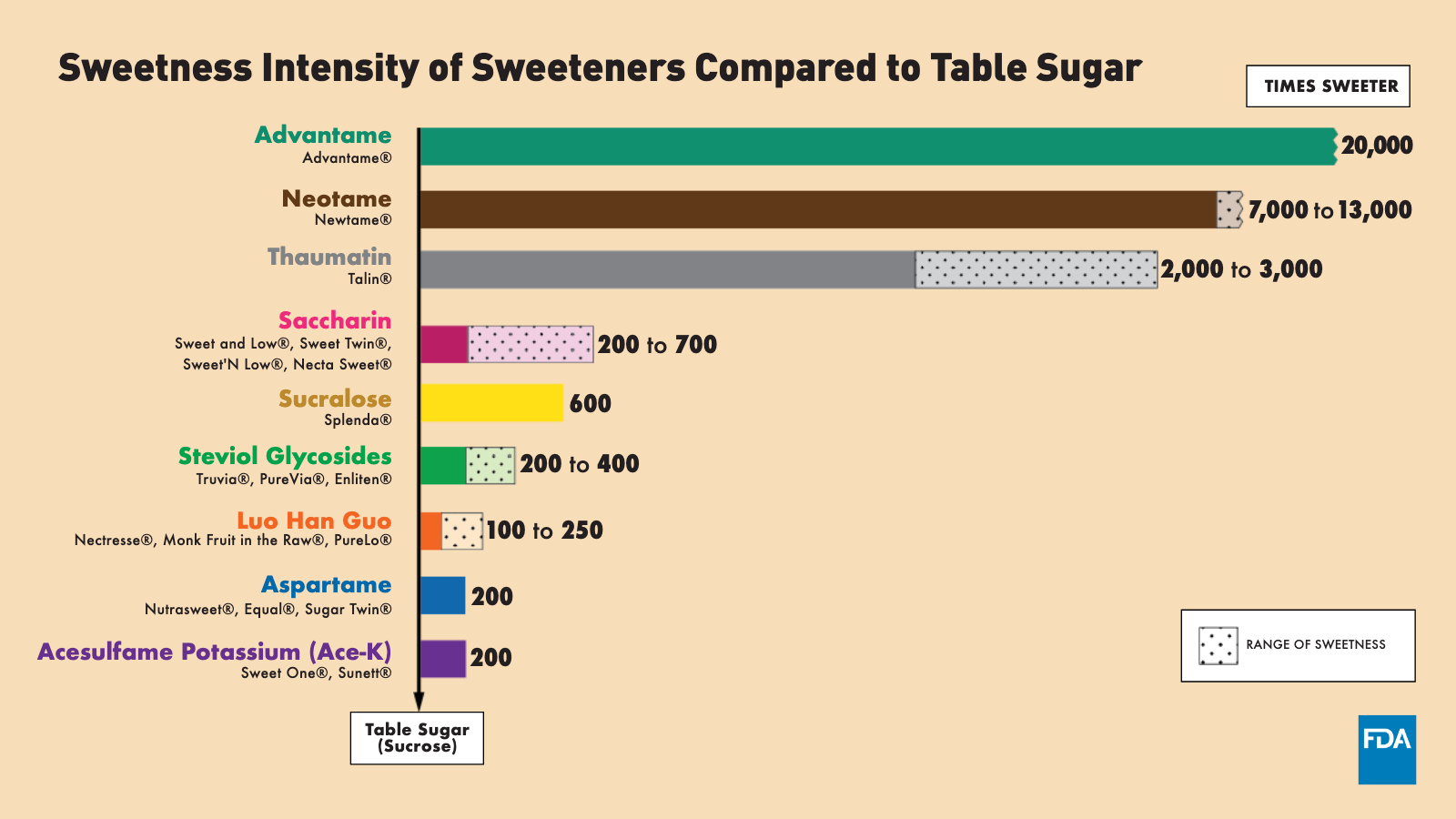
How sucralose compares with other sweeteners: about 600 times sweeter than table sugar. Source: U.S. Food and Drug Administration.
Most of what you swallow is not absorbed. Roughly 85% passes through the digestive tract unchanged and reaches the colon, which is why it adds almost no calories. However, “poorly absorbed” does not mean “biologically inactive.” Because so much of it reaches the intestine, this sweetener can interact with gut bacteria and the intestinal environment.
Sucralose and the Gut Microbiome
Your intestines contain trillions of microorganisms that help with:
- Digestion and nutrient absorption
- Vitamin production
- Immune system regulation
- Intestinal barrier function
- Control of inflammation
- Metabolic and hormonal signaling
Animal experiments and some human studies suggest that artificial sweeteners, including Splenda, may change the composition and activity of these bacteria. In theory, such changes could affect intestinal barrier integrity, production of beneficial short-chain fatty acids, inflammatory signaling and glucose metabolism. (For more on how gut bacteria influence weight, see our article on the gut biome and body fat, and our overview of probiotics and prebiotics.)
The human evidence, however, is not consistent. A 2026 systematic review and meta-analysis of randomized controlled trials found no statistically significant overall change in gut microbial diversity, fasting blood glucose or insulin resistance. Those trials were small and short, and the authors called for longer, better-designed studies.
Bottom line: short-term human trials have not shown clear harm to the gut microbiome, but the long-term effects of routine consumption remain incompletely understood.
Does Sucralose Cause Kidney Stones?
Because many people drink artificially sweetened beverages every day, kidney health comes up often. It is important to separate two questions: kidney injury and kidney stone formation.
At present, there is no good clinical evidence that sucralose causes kidney stones. Stones form through mechanisms such as:
- Increased urinary calcium
- Increased urinary oxalate
- Reduced urinary citrate
- Low urine volume and dehydration
- Changes in urine pH and supersaturation
No established mechanism shows that ordinary consumption of this sweetener causes these abnormalities. The European Food Safety Authority’s 2026 re-evaluation of sucralose found no safety concern at current use levels.
There are practical considerations, though. Many of these products are highly processed drinks and foods that may also contain acids, sodium or other ingredients that deserve attention on their own. For people prone to kidney stones, staying well hydrated and following dietary advice tailored to their specific stone type matter far more than the sweetener itself.
Does Sucralose Help With Weight Loss?
Weight control is one of the main reasons people use artificial sweeteners. Swapping a sugar-sweetened soda for a zero-calorie one does cut calories in the short term, but that does not necessarily lead to meaningful long-term weight loss.
In 2023, the World Health Organization issued a conditional recommendation against using non-sugar sweeteners as a long-term strategy for weight control or preventing diet-related chronic disease. The WHO cited a lack of convincing long-term benefit for body weight and possible associations with adverse health outcomes.
This does not mean Splenda causes obesity. It does challenge the assumption that replacing sugar with artificial sweeteners is an effective long-term solution. A better strategy is to reduce your overall preference for intensely sweet foods and drinks.
Other Potential Health Concerns
Digestive Symptoms
Some people report bloating, abdominal discomfort or changes in bowel habits after consuming artificially sweetened products. These symptoms may also come from other ingredients in the same products, such as sugar alcohols and certain additives. See our guide to bloating and excessive gas for other common causes.
Inflammation and Immune Effects
Changes in gut bacteria could theoretically influence immune signaling and inflammation. However, clinically significant inflammation or immune problems from ordinary intake have not been established in humans.
Cancer and Toxicity
Some public concern centers on the chlorine atoms in sucralose. The chlorine in this stable molecule should not be confused with free chlorine or other toxic chlorinated chemicals. Current regulatory assessments have not found that approved intake levels cause cancer in humans, and EFSA’s 2026 review found no genotoxicity concern.
Cooking and Baking With Sucralose
Heat is the area of greatest new concern. In its 2026 review, EFSA could not rule out the formation of potentially harmful chlorinated compounds when sucralose is heated to high temperatures for long periods, and it could not conclude on the safety of expanding its use in baked goods. Germany’s Federal Institute for Risk Assessment (BfR) recommends not heating foods containing it to baking, frying or roasting temperatures (above about 120°C / 248°F), and adding sucralose only after cooking. A sweetener that is fine in a cold drink is not automatically a good choice for the oven.
Is Sucralose Safe Because the FDA Approved It?
The U.S. Food and Drug Administration has set an acceptable daily intake (ADI) for sucralose of 5 mg per kilogram of body weight per day. For a 70-kg (154-lb) adult, that is 350 mg a day. EFSA’s ADI is higher, at 15 mg/kg per day, and was left unchanged in 2026.
The ADI is an estimate of the amount a person can consume daily over a lifetime without appreciable health risk, based on available toxicology data. But regulatory approval and nutritional benefit are two different things. A substance can be acceptable to consume without offering any nutritional advantage. The goal should not simply be to stay under a regulatory limit; it should be a dietary pattern that supports long-term health.
Healthier Alternatives to Artificial Sweeteners
Rather than replacing every source of sugar with an artificial sweetener, try gradually lowering the overall amount of added sweetness in your diet:
- Drink water or sparkling water without added sweeteners.
- Choose unsweetened tea and coffee.
- Eat whole fruit, which delivers fiber, vitamins and minerals along with natural sweetness.
- Try plain yogurt topped with fresh berries.
- Cut back the sweetener you add to drinks a little at a time.
- Choose minimally processed foods over products marketed as “sugar-free.”
Frequently Asked Questions About Sucralose
Is sucralose bad for you?
At approved intake levels, regulators in the U.S. and Europe consider it safe. However, it offers no nutritional benefit, its long-term effects on gut and metabolic health are still being studied, and it should not be heated to high temperatures.
Can sucralose cause kidney stones?
There is no good clinical evidence that sucralose causes kidney stones. Hydration and a diet suited to your stone type are far more important.
Is Splenda good for weight loss?
It can reduce calories in the short term, but the WHO advises against relying on non-sugar sweeteners for long-term weight control.
Can you bake with sucralose?
European food safety authorities advise caution. Heating it above roughly 120°C (248°F) may produce potentially harmful chlorinated compounds, so it is best added after cooking.
Medical disclaimer: This article is for educational purposes only and does not replace individualized medical advice. Please talk with your physician about your specific health needs.
References
- World Health Organization. Use of Non-Sugar Sweeteners: WHO Guideline. Geneva: WHO; 2023.
- EFSA Panel on Food Additives and Flavourings. Re-evaluation of sucralose (E 955) as a food additive. EFSA Journal. 2026;24(2):e9854.
- Wulandari DT, et al. Effect of Sucralose Consumption on Gut Microbiota: A Systematic Review and Meta-Analysis of Randomized Controlled Trials. International Journal of Molecular Sciences. 2026;27(18):8377.
- Effect of sucralose and aspartame on glucose metabolism and gut hormones. Nutrition Reviews. 2020;78(9):725-746.
- German Federal Institute for Risk Assessment (BfR). Sucralose: Heating above 120°C can produce substances that are harmful to health. Communication 15/2026.
- U.S. Food and Drug Administration. Sweetness Intensity of Sweeteners Compared to Table Sugar (chart); see also Aspartame and Other Sweeteners in Food.
Overfed But Undernourished
October 01, 2019 11:27 am
Obesity is related to as many as 400,000 deaths each year in the US and it has increasingly been recognized as a risk factor for several nutrient deficiencies. This may seem surprising given the likelihood of over consumption of calories, however these additional calories are not from nutritious sources. One of the main reason for these nutritional deficits is the greater availability of inexpensive foods that are rich in calories and are nutrient deficient. This has led some medical professional to conclude that there is a certain group of people who are overfed but undernourished. Even with the epidemic of the obesity, there is significant nutritional deficiencies noted.
Obese subjects have increased blood volume, cardiac output, adiposity, lean mass and organ size all of which can influence volume of distribution, in addition, treatment for severe obesity involving surgical procedures can worsen these nutrient deficiencies and in some cases may cause new ones to develop.
This table shows the percentage of population below the estimated average requirement (EAR) by body weight status in adults more tan 19 years old, showing that almost 90 to 100 percent of people including normal weight (NW) are below the EAR of vitamin D and Vitamin E.

We would like to thank Miguel Rosado, MD for his significant contribution provided for this Blog.
Flagyl
September 25, 2019 9:07 am
Flagyl is sometimes prescribed for excessive gas and diarrhea. It is an antibiotics that works well on certain bacteria that accumulates in the GI tract and contributes to the gas and the bloating.
These bad bacteria flourish when patients consume significant and excessive fiber and carbohydrates (sugars, salad, pasta etc.) The FIRST line of defense against flatulence, bloating, and diarrhea should be eleminating the culprits in the diet. This point can not be stressed enough. Adding a daily dose of yogurt may improve symptoms due to yogurts probiotic benefits. To be beneficial, Yogurt should contain live bacteria cultures, not contain artificial sweeteners or have a high sugar content.
Artificial sweetness also area source of the excessive gas and should be avoided.
The Flagyl eliminates and reduces the bad bacteria. Along with a Probiotic and healthy dietary choices Flagyl can help to significantly improved or eliminate those symptoms of gas and diarrhea.
Before Flagyl is prescribed, it is important that the diet is critically examined to make sure that the carbohydrates and the fiber as source of gas and bloating is minimized or eliminated. Excessive use of medications that may be needed for other infections should be avoided.
Chronic diarrhea should be evaluated to rule out GI infection with C. diff bacteria or other bacteria or parasite.
Additional Information on C. Diff (Clostridium Difficile) and probiotics.
Gas (Flatuence) GI upset
July 27, 2017 7:32 am
Following the Duodenal Switch operation, patients will have more frequent flatulence. The problem can get worse with specific dietary choices. A very simple way of looking at this would be that, in general, Carbohydrates contribute to gas and the fat contributes to causing loose bowel movements. Carbohydrate or gluten sensitivity can also increase stool production.There is a significant overlap of the effects of carbohydrates and fat intake and one has to remember that the symptoms of gas and loose stool can often accompany each other.
Resistance Exercise BandsExclusive Member Content
July 19, 2017 12:47 pm
Back on Track 2017 Giveaway
January 10, 2017 10:03 am

Let’s get back on track 2017 after the holiday season! The holidays were wonderful but if you find yourself with a few extra souvenirs don’t feel alone. The average American gains between 1-8 pounds during the holiday season and I am no exception. Let’s get back on track 2017 together.
Time to clear out the kitchen! Disposing of temptations and high trigger foods is the first step to getting back on track. If the food isn’t easily acquired then it is less likely to be consumed.
Stock up on high protein and whole, unprocessed foods that are low carbohydrate and nutrient dense. When quality foods are easily available we are more likely to stay on track with the types of foods we should be eating. Simple sugars/carbohydrates are the biggest culprit of holiday weight gain. We need to go back to the basics of hydration, high protein, low carbohydrate/sugar, vitamin/mineral supplements and exercise. Simple sugars and carbohydrates are easy for our bodies to use and absorb and cutting them back can jump start your weight loss. Each individual needs to identify the daily carbohydrate intake that works for them. Some people stay under 50 grams of carbohydrates daily. You may also need to look at your protein and fat intake. All excess nutrients absorbed have the potential to turn into fat mass and inhibit weight loss. Metabolism video.
Hydration is an important ways to start getting back on track. Water is essential to life functions. The brain is 85% water, blood is 80% and muscle is about 70% water. Hydration aids in digestion, eliminating waste, byproducts and toxins. It also can decrease the feeling of hunger. Lack of hydration can increase fatigue which can lead to craving high carbohydrate foods to increase energy.
Protein’s importance in almost every bodily function and muscle mass can not be ignored. High quality complete Protein sustains muscle mass during weight loss, aids immunity, antioxidant function, and enhances leptin and insulin function. Filling up on protein first will help with carbohydrate carvings and give a sustained satisfied feeling. A prior blog post gives additional information on the importance of protein and the effects of protein malnutrition. WLS makes daily protein intake important but especially after Duodenal Switch, protein is a necessity of daily life.
Vitamins, minerals and supplements will ensure the body has the nutrients it needs to function adequately and can keep cravings at bay. Deficiencies in vitamins and minerals can cause cravings for foods. Vitamin and minerals are essential to muscle function, red blood cell production, bone health, and numerous other physiologic functions. We may all slack off on our supplements occasionally but now is the time to get back into the habit of daily vitamins and mineral supplements. A daily vitamin, mineral, and supplement routine is a lifetime commitment after Duodenal Switch or any WLS. Here is a list of commonly used supplements.
Exercise can increase weight loss, overall well being, mental well being, mood, alertness, improve digestion, improve sleep, and increases energy levels. Exercise does not have to be a daunting task. Simply adding 15-30 minutes of activity can give added benefits. Yoga, walking, dancing, lifting weights, hiking, and sports activities can be included or added to more traditional forms of exercise. There are many free online videos for all types of exercise available.
Finding a new hobby can keep both your hands and mind busy, curbing the unconscious eating of foods that are high in sugar and carbohydrates. Adult coloring books, drawing, painting, knitting, crocheting, sewing, dance lessons, gardening, learning to play an instrument and many others are great ways to use your time and expand your quality of life and brain function. New hobbies can also help establish new coping skills. Our previous post on Coping Skills After Bariatric Surgery can be found here. There are a whole host of online videos for “how to” on new hobbies.
Teaming up with others can also help increase weight loss and compliance. Support from friends, family and other groups will assist you. There is a whole gamut of support group online and in person. If you have fallen out of the habit of attending our support group or webinars get back to them. You can find our schedule and announcements regarding webinars here. Our Central Valley Bariatric Facebook page also gives daily inspirational messages, protein recipes and articles and any new information or research available. There is also our Duodenal Switch Facebook Group. Anything that increases accountability is a benefit and motivates us to stay on track.
Experiment with new recipes and flavors that are bariatric friendly and within your dietary needs. There are so many options for quick and easy meals. We have several recipes on our page for all stages following weight loss surgery and Duodenal Switch. However, there are endless option on the internet in Paleo, low carb, and high protein type recipes.
In the spirit of new starts and getting back on track 2017, we are having a giveaway with the basics to get back into the swing of things. This year we are looking for before and after weight loss surgical journeys. Share your weight loss journey! Don’t be shy, your journey can inspire others and/or motivate yourself. To enter the Back on Track 2017 Giveaway, please submit your weight loss surgical journey with before and after pictures to [email protected] or you can also post your before and after pictures on our Facebook page. You will also need to sign a release for the use of your story on our website. We will draw 2 names from those that enter by announcing it on our FaceBook page or by e-mail on January 31, 2017. You must submit your mailing information to [email protected] in order to claim the prize.
Causes and Perception of Obesity
December 12, 2016 7:34 am
Introduction
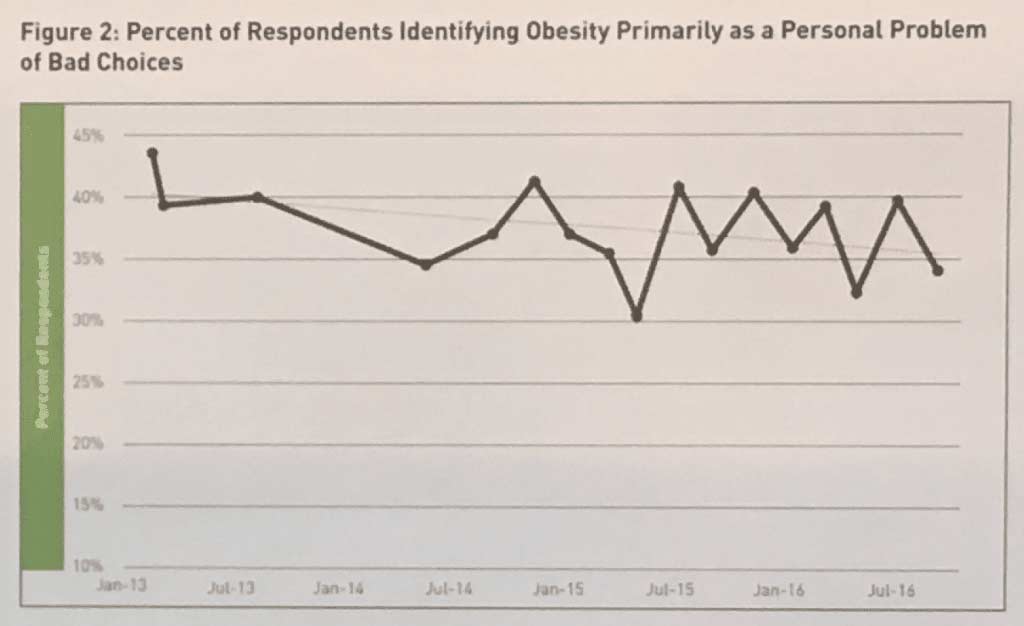
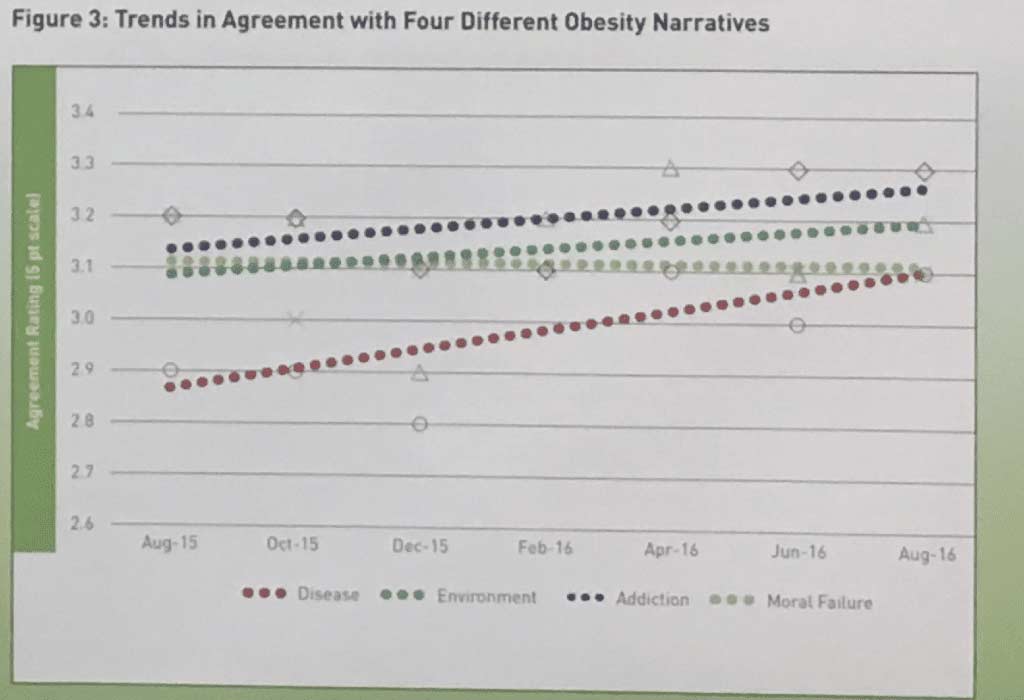
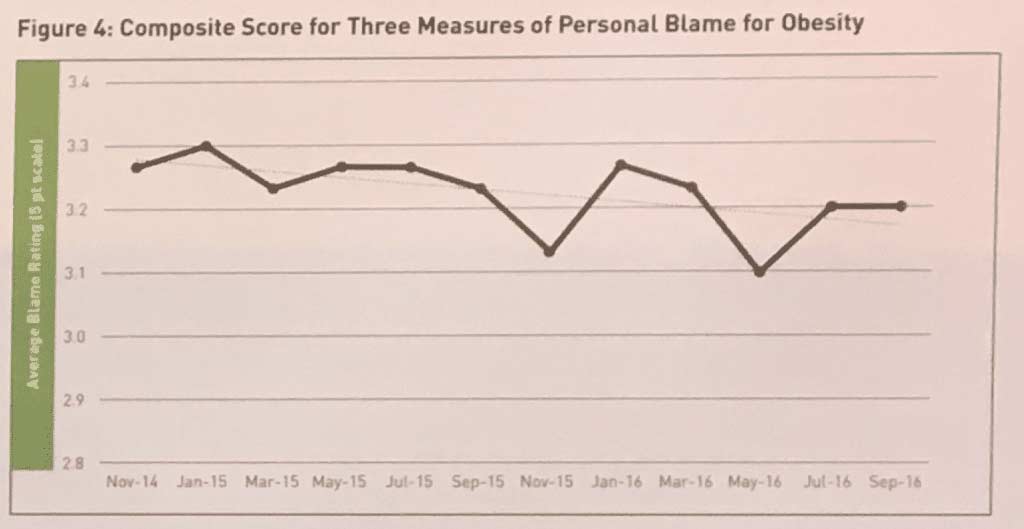
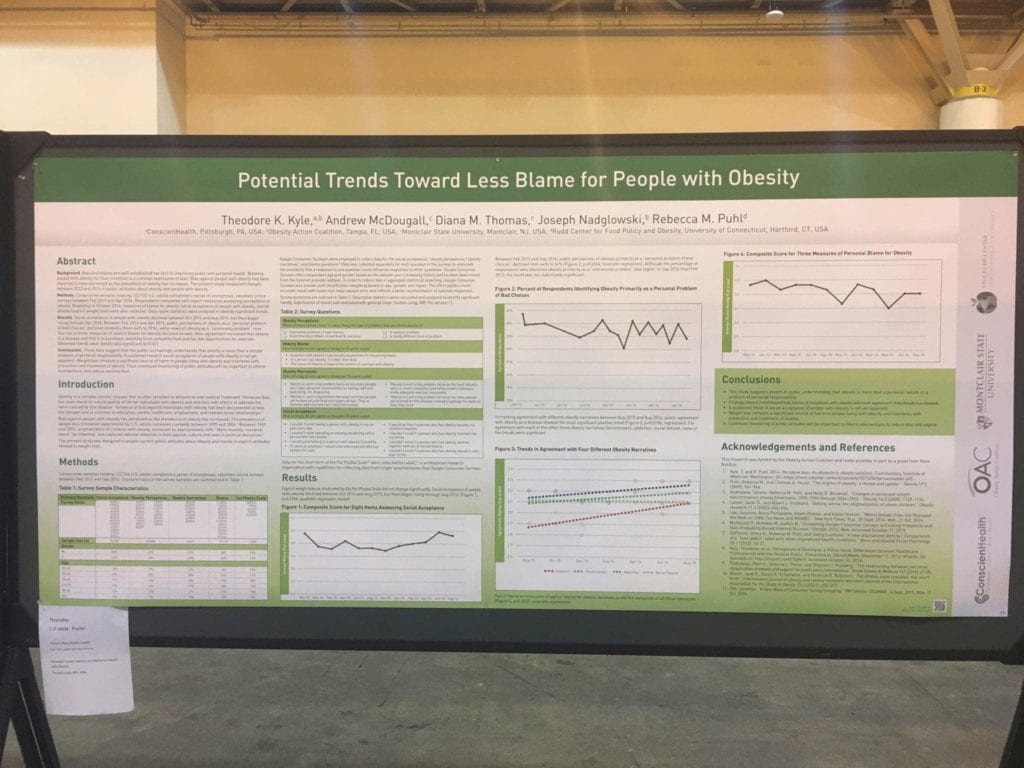
Society has long ignored the scientific causes of obesity and formed their perceptions based on personal attitudes. There are a number of factors that have been identified that contribute to the epidemic of obesity. Unfortunately, there continues to be a public perception of obesity being a “personality” disorder. Quite frequently patients are told “…just eat right and exercise, and everything will be fine.” We all know that is not the case. One of the poster presentations during the 2016 Obesity Week was on the subject of causes and perception of obesity. This topic is always an important talking point at these meetings and there seems to be some changes in viewpoint of the general population.

This was a large study conducted over a long time frame with a relatively decent population size.
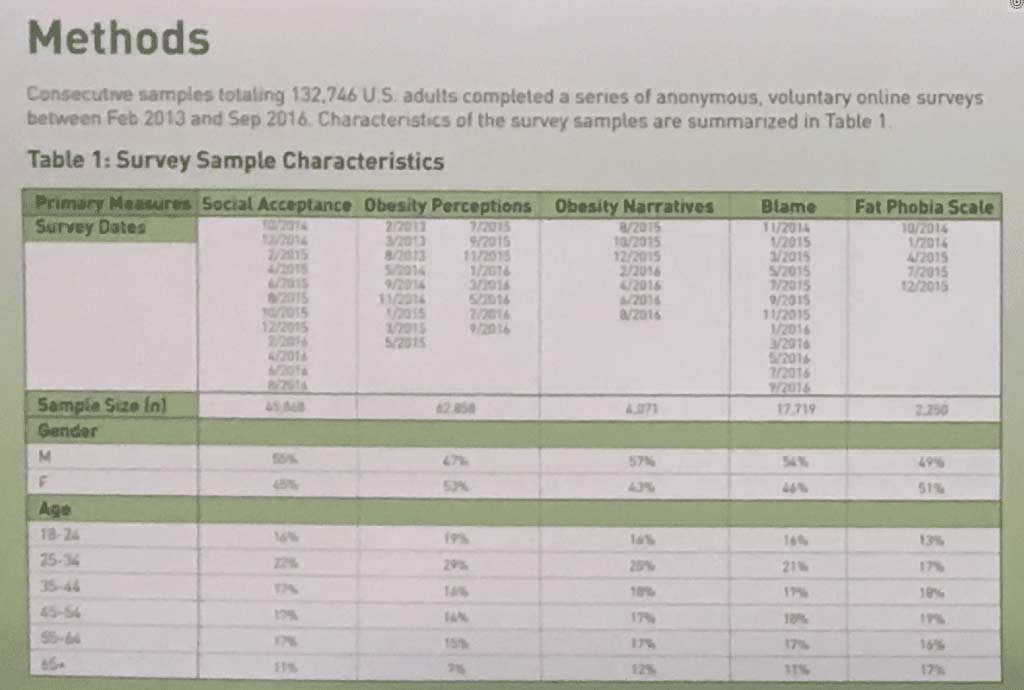
The study showed a slow but steady improvement in the perception by the general population in recognizing the multifactorial nature of obesity with less personal blame on the patient. The pace of change in perception has been positive, however, there is a still large gap for improvement. There is hope for the future of a correlation of causes and perceptions of obesity.
Summary
We, as a healthcare providers and society, are making improvements in educating, awareness, and perception of obesity but we still have work to do. In this changing healthcare environment, we can not let these gains in perception slip back to old patterns and biases. We need to maintain our diligence, education and our forward thinking to continue the positive and factual perception of obesity.
Is Weight Loss Important Before Weight loss Surgery?
June 21, 2016 7:52 am
The question of “Is a pre operative diet and weight loss important?” No. This is the short answer. In a previous blog, “Weight Loss Before Weight Loss Surgery?” I have gone into further detail about why I don’t require a pre operative diet and weight loss program.
More recently there has been a concerted effort by a number of major health plans to require 3-6 months documented pre operative diet attempt prior to authorization for weight loss surgery. Furthermore, there are surgeons who would mandate a 10% weight loss as a precondition for the patient to have a weight loss surgery, laparoscopic sleeve gastrectomy for example. The overwhelming scientific literature fails to support any direct correlation between preoperative weight loss and the outcome of the weight loss surgery.
Some surgeons require preoperative weight loss as a way to reduce the size of the liver. I’ve personally have never met a liver I couldn’t work around unless it was severely diseased.
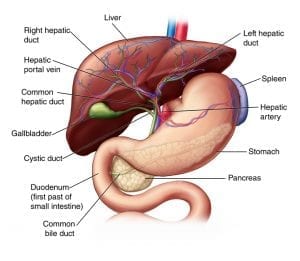
There is some literature to support this position. However, one has to critically look at all the studies. Almost all the studies have very specific population and procedures that are being looked at. Most often the recommendations had been made for adjustable gastric banding procedures. There are also some that are recommending the same for Lap Sleeve cases only siting the reduction of the liver size as a reason for the Very Low Energy Diet as a precondition to surgery. It is, however, important to remind ourselves that there is no long term studies whatsoever that show any relationship between the preoperative weight loss and the outcome of any weight loss surgery.
Dr. Caya’s Yogurt RecipeExclusive Member Content
December 09, 2015 10:01 am
Calcium – Revisited !Exclusive Member Content
October 05, 2015 8:06 am