
Home » constipation
Category: constipation
Cholangitis
May 24, 2026 11:33 am
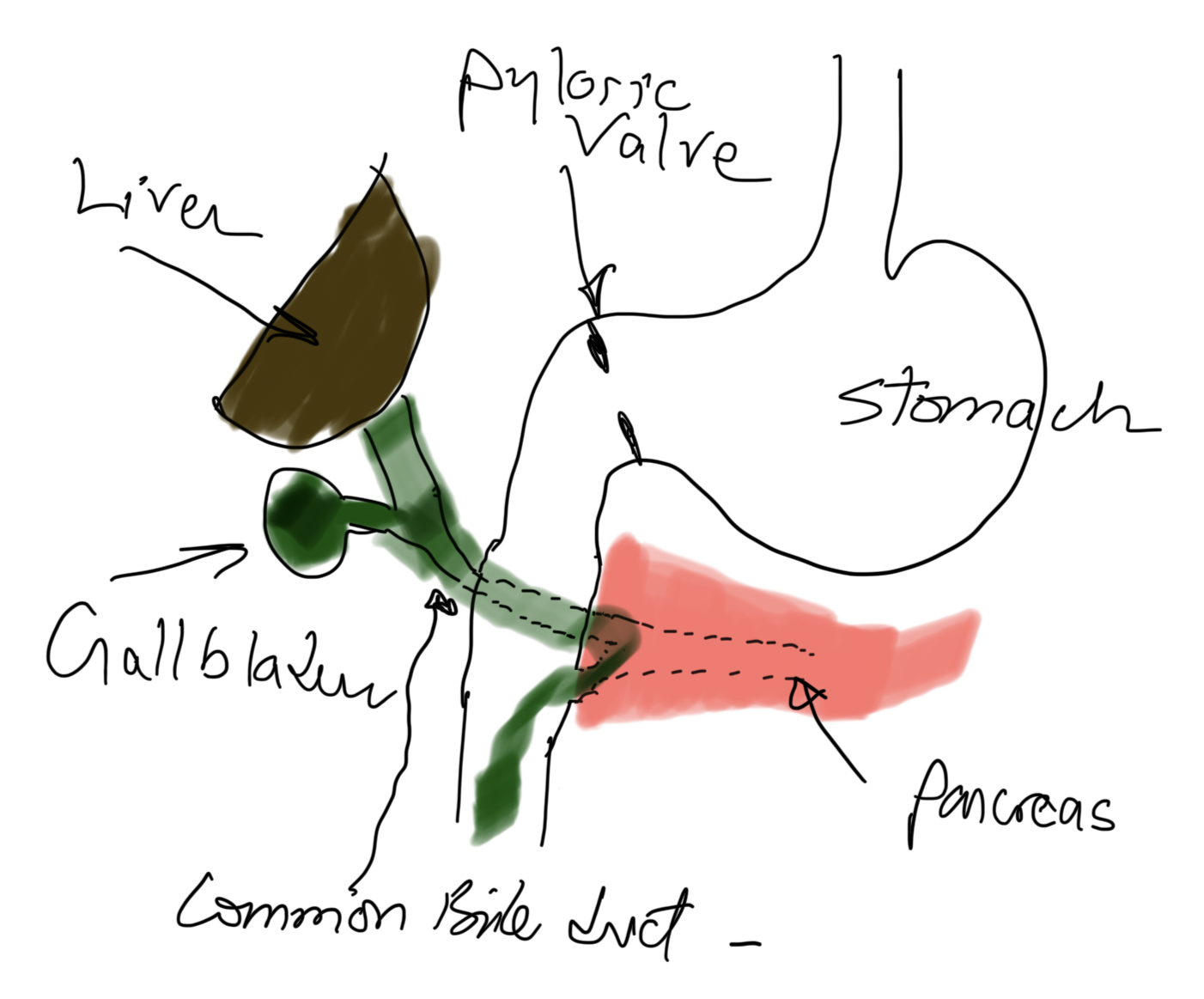
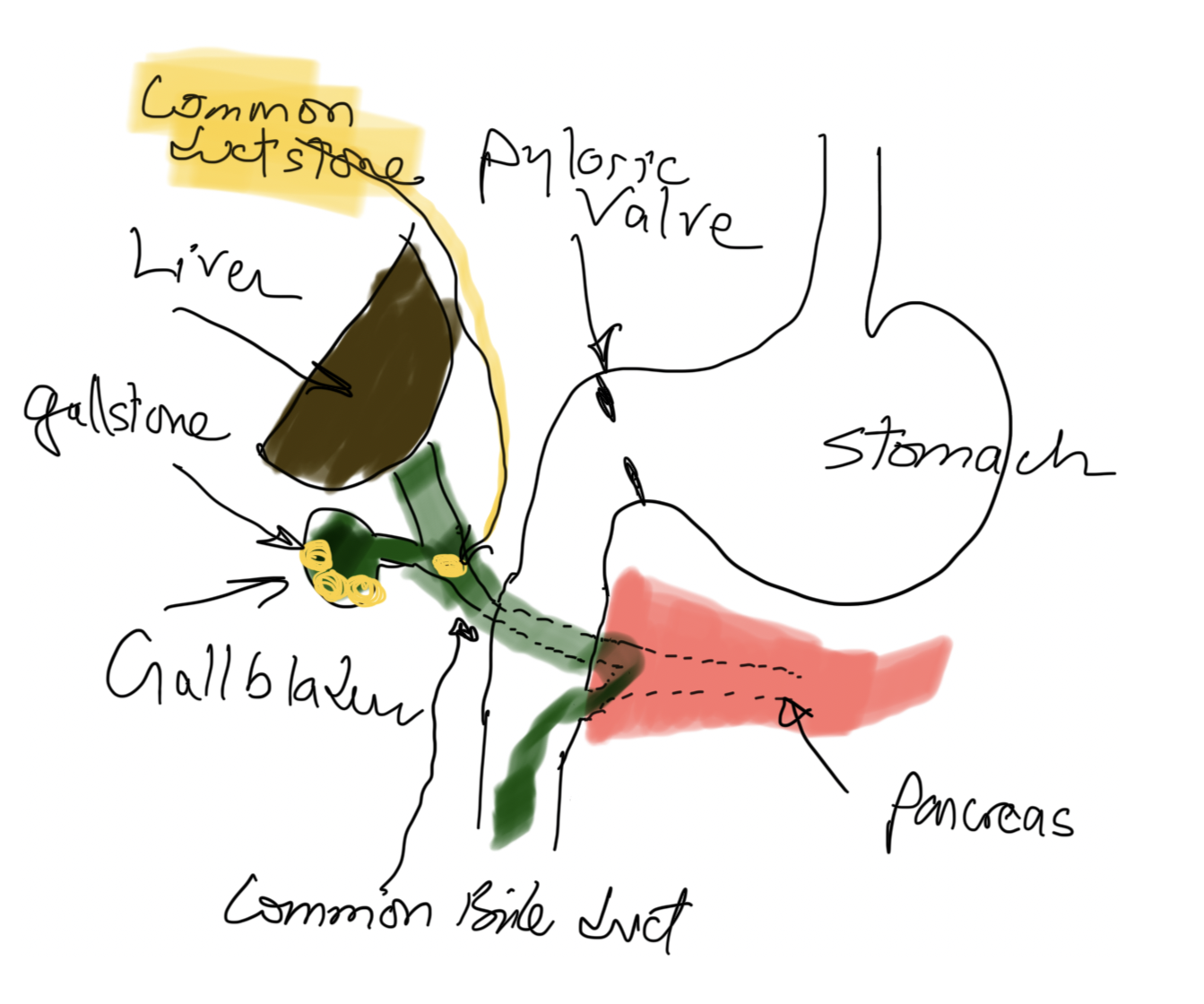
Cholangitis refers to infection and inflammation of the bile ducts because of obstruction and introduction of bacteria or other pathogens from the GI tract.
- Hydration with IV fluids,
- Broad coverage with IV antibiotics administration and
- Drainage procedure (ERCP, papillotomy, Stent placement, Cholecystectomy with common duct exploration, and T-tube placement)
These steps are almost all taking place concurrently and urgently. This is not something a patient waits and sees how it goes- it only goes one direction, from bad to worse. This is not to sound alarmist; a correct diagnosis is critical.
Risk factors for cholangitis may include gallstones that travel down the bile duct and cause jaundice, pancreatitis if passed, immunosuppression, malnutrition, and diabetes, to name a few.
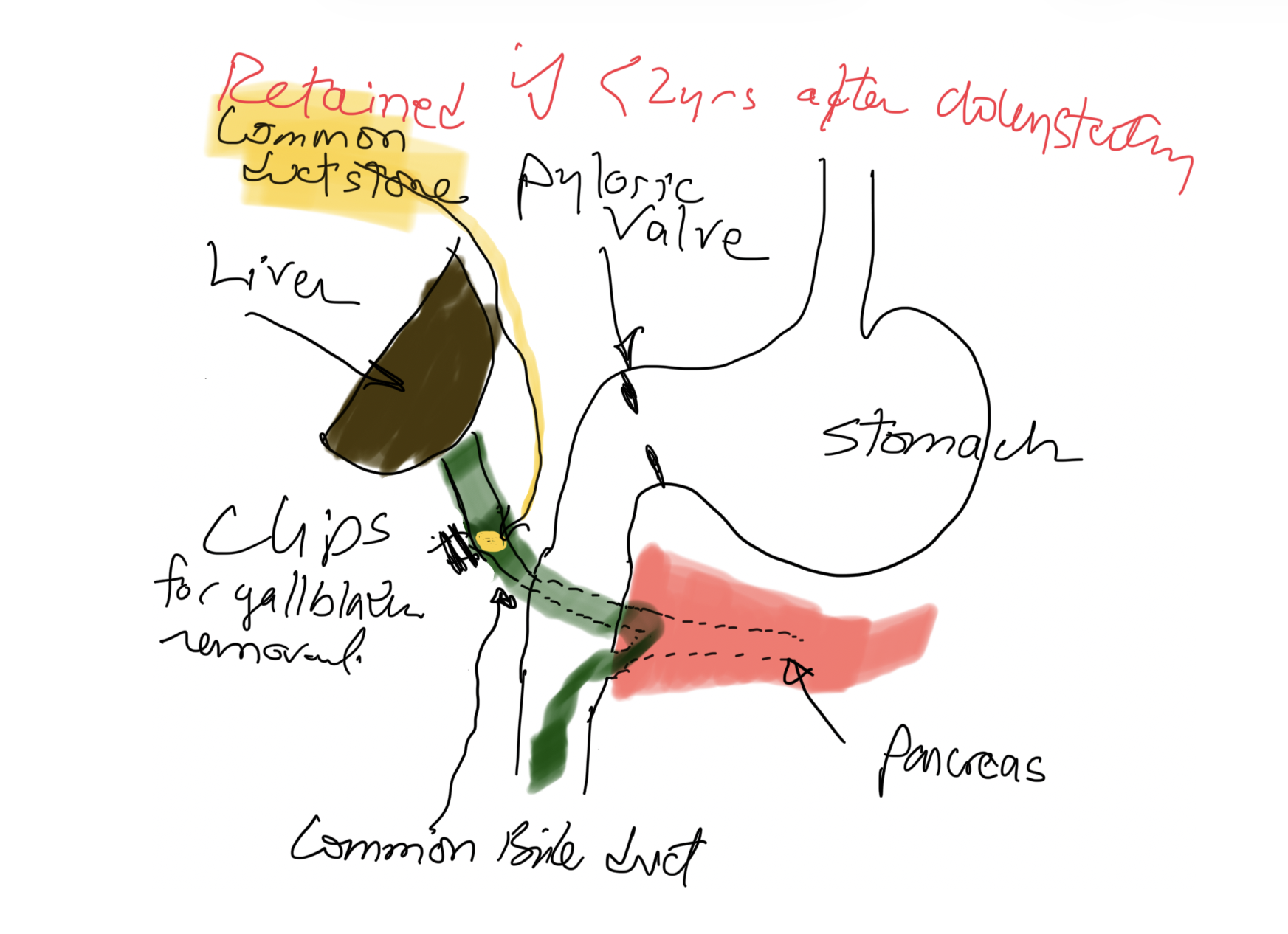
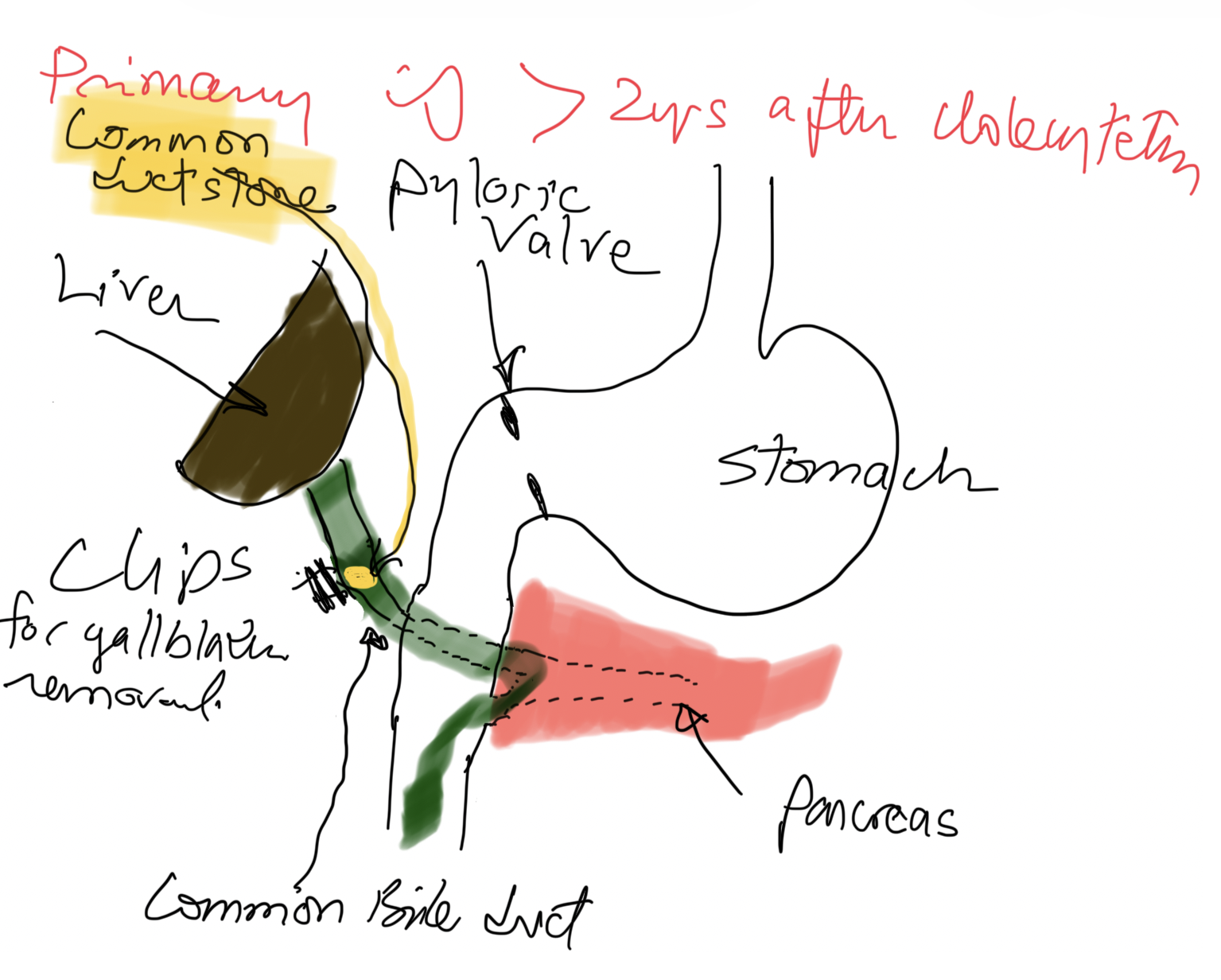
If a patient has gallstones in the bile duct less than 2 years after cholecystectomy, it is a Retained Stone(s), meaning there was a small stone that was not in the gallbladder and was not seen on US, intraoperative cholangiogram, or ERCP (if performed before surgery).
Dr. Caya’s Yogurt RecipeExclusive Member Content
December 09, 2015 10:01 am
How do different medication that treat constipation work?
December 26, 2011 9:27 pm
|
Treatment option |
Pros |
Cons |
|
Lubricants (Mineral Oil) |
Facilitated bowel movements
Promotes soft bulk |
Limits fat soluble vitamin absorption
Interaction with Birth control pill and Coumadin |
|
Emollients (Colace, Docusate) |
Penetrates stool
Effective for painful anal fissure |
May cause increased gas and bloating |
|
Hyperosmolar Laxatives (Miralax) |
Promotes water retention in stool |
May cause increased gas and bloating |
|
Saline Laxatives (Fleet, MOM, Mag. Citrate) |
Rapid acting |
May cause electrolyte imbalances |
|
Stimulants (Dulcolax, Senekot, Ex-Lax) |
Increased water in stool |
Prolonged use can cause dependence of the GI track |
|
Herbs (Green Tea) |
Natural in origin |
Prolonged use can cause dependence |
|
Bulking agents |
Absorbs water, softens, and bulks the stool |
May cause increased gas and bloating |
- Cholangitis May 24, 2026
- Bile Reflux Gastritis May 19, 2026
- Sphincter of Oddi Dysfunction April 26, 2026
- Types of HyperParathyroidism February 20, 2026
- Vitamin D level and Liver Function Test (LFT) elevation February 8, 2026