
Category: BPD
Pregnancy And Weight Loss Surgery
November 21, 2015 5:34 pm
This is not a substitution for formal medical advise that should be given to any patient by their bariatric surgeon and and OB/GYN familiar and experienced in the care of female patients with history of weight loss surgery. This is information that we provide our patients when we are notified of their pregnancy.
We recommend and instruct to take all precautions to avoid getting pregnant within the first 18 to 24 months following weight loss surgery. There is a significant amount of information about preferable birth controls, those to avoid, and additional pertinent information on our website.
Women who become pregnant after Weight Loss Surgery (WLS) should receive specific attention from their obstetrician because of the high risk nature of their pregnancy. Please make sure that you share this information with your OB/GYN. Many patients have become pregnant and delivered health babies after Duodenal switch (DS) without difficulty, but you do need to be watched more closely. The scientific study favor patients getting pregnant after DS when their weight loss , and nutritional markers have stabilized (18 months or longer) and not before. You also need to make sure you are taking all necessary vitamins, minerals and protein.
The first trimester is a very important time in the development of the fetus. Most organs and structures of the fetus are formed in the first trimester and therefore it is imperative that you pay close attention to your nutrition and your nutritional supplements.
You should continue to take your general multivitamins, other vitamins, minerals and your calcium as you were taking prior to getting pregnant. In addition, you should also take what will be prescribed by your OB/GYN. Do not substitute your prenatal vitamin and any other supplements that you are prescribed by your OB/GYN with what you were prescribed by our office. Each patient’s situation is individualized and additional changes or supplementations may be needed based on the advice of your surgeon and OB/GYN. Multiple fetus pregnancies require additional vitamin, mineral and protein needs.
A good prenatal vitamin should contain these:
Vitamin C – is essential for tissue repair, wound and bone healing and increases the body’s resistance to infection. For mother and baby this vitamin is essential daily as it is the agent that holds newly formed cells together. Helps baby to grow and builds strong bones and teeth. It is also instrumental in the body’s ability to absorb iron.
Vitamin D – promotes general growth. It maintains proper levels of calcium and phosphorus thus helping to build baby’s bones and teeth.
B Vitamins (thiamine, vitamin B6, riboflavin) – Thiamine converts carbohydrates into energy for mother and baby and is essential for baby’s brain development. It also aids in normal functioning of the nervous system and heart. If deficient during pregnancy, a baby is at risk for beriberi, a serious heart ailment. Vitamin B6 is also vital to develop your baby’s brain and nervous system. Riboflavin helps the body to produce energy. It promotes growth, good vision and healthy skin for mom and is important for the development of the baby’s bone, muscle and nervous system.
Folic Acid – is one of the B Vitamins that is needed to produce red blood cells. It helps synthesize DNA, is conducive to normal brain functions and is a critical part of spinal fluid, thus making it one of the few nutrients known to prevent neural tube defects such as spina bifida.
Calcium – your developing baby needs this mineral to grow strong bones and teeth, healthy nerves and muscles and to develop normal heart rhythm and blood clotting.
Potassium – is a mineral that helps maintain fluid balance in the body. This mineral helps regulate blood pressure, nerve impulses and muscle contractions.
Vitamin A – is important for cell growth, healthy skin and mucous membranes, and resistance to infections. It benefits red blood cell production in both mother and baby. This vitamin is essential for postpartum tissue repair.
Copper – a trace mineral found in all plant and animal tissues; it’s essential for forming red blood cells-a key process during pregnancy, when your blood supply doubles. Copper also aids tissue growth, glucose metabolism, and growth of healthy hair. It also helps form a baby’s heart, skeletal and nervous systems, arteries, and blood vessels.
Pantothenic Acid – is a trace mineral that regulates the body’s adrenal activity, antibody production, and the growth and metabolism of protein and fats. If you are deficient in this vitamin during pregnancy your baby’s growth may be slowed. This trace mineral is required for many essential functions, including growth, appetite regulation, digestion, wound healing, and the maintenance of collagen and elastin which may explain why some doctors think it may also help prevent stretch marks, one of the banes of pregnancy.
Iron – makes red blood cells, supplies oxygen to cells for energy and growth and builds bones and teeth. In pregnancy this mineral is so crucial because the body must produce extra blood to support the growing baby. During pregnancy you will need double the recommended daily allowance of iron to insure your health and that of your baby’s.
More often than not, many expectant mothers find taking a prenatal vitamin increases nausea in early pregnancy and sometimes beyond. If this happens, ask your doctor or midwife to change your formula or it may help to change how and when you take your vitamin. It is sometimes helpful to take your prenatal vitamins before you go to bed at night. If swallowing a large pill is difficult, cut it in half. In any event just like your mother said all those years, don’t forget to take your vitamin.
The following are important vitamin and nutritional components throughout the pregnancy but in particular the first trimester.
- Folic Acid: one of the B vitamins has been found to prevent neural tube defects (NTD). Increased intake of folic acid reduces the risk of NTDs such as anencephaly and spina bifida (open spine) by as much as 50 to 70% if women take enough before conception and in the early months of pregnancy. Take your general multivitamin and prenatal vitamin every day.
- Vitamin A: important to prevent blindness in the fetus. Vitamin A levels should be drawn and monitored prior to becoming pregnant and during the pregnancy to ensure adequate intake. You may need to take additional Vitamin A in a Dry water-soluble form such as Biotech Vitamin A 25. Please contact your surgeons office if your Vitamin A levels are below normal, or have not been drawn recently.
- Vitamin D: important for bone growth and formation. Vitamin D levels should be drawn prior to becoming pregnant and during the pregnancy to ensure adequate intake. Dry water-soluble form of Vitamin D3 such as Biotech D3 50. There is some research that adequate Vitamin D levels help protect against pre-term labor and an increase in preeclampsia risk.
- Protein: necessary in all structural formation of the fetus and the mother needs to increase protein intake by a minimum of 30 grams daily. Protein is need in nearly all fetal tissue formation.
The second and third trimesters are important in the growth, development and formation of bone structure and the overall growth of the fetus. It is important at this point to continue taking a minimum of 1500 mg Calcium (or what was prescribed by your surgeon), increased protein intake, your multivitamin, prenatal vitamin and any other supplements prescribed by your OB/GYN or surgeon. You may also need to increase your calorie intake with nutritious foods included in a healthy, well balance diet.
If you have any questions please contact your surgeon or the OBGYN. Your surgeon should also be willing to discuss any concerns that you or your OB/GYN may have with them.
Here is an discussion about the outcome of pregnancy after weight loss surgery.
In general we also advice against certain types of birth control because of the associated weight gain reported by the manufacturers. This is a decision that needs to be made after considering all potential side effects including the potential weight related issues. Ease of use should not be the only variable.
As indicated at the beginning of this blog, the information provided here is not a substitute for your nutritional evaluation by your bariatric surgeon or an experienced OB/GYN.
Staying on Track and Surviving Halloween
October 27, 2015 6:07 am

Halloween is the start of temptations during the holiday season and surviving Halloween is possible. It’s a time of high carbohydrate treats that can turn into a nasty trick of regain or slowed weight loss. Halloween is a fun holiday that you can participate in with some foresight and planning. Sugar and simple carbohydrates are easily absorbed and can decrease weight loss or regain. The following are some helpful tips to keep you on track.
- Stay steady with high protein, hydration, vitamins and minerals. Protein and hydration will keep you full and help curb the carb cravings.
- Make you own high protein treats. There are so many great recipes out there.
- If you give out candy don’t buy candy that you like. In fact, do the opposite and buy candy you dislike.
- Don’t give out candy at all. Instead opt to do a non-candy type item, stickers, pencils, rings, trinkets, easers, small coloring books, or other small items.
- Keep a list of your goals posted in a visible place.
- Make a picture collage of your goals, achievements you want, and non-scale victories you’d like to achieve posted in a high visibility location.
Stay strong and avoid the pitfalls of temptation.
Teaching Nursing Students about Duodenal Switch!
October 19, 2015 11:34 am
Dr. Keshishian explaining the different weight loss surgical procedures to nursing students. Including the duodenal switch before cases to a number of nursing students on a board in the operating room. Dr. Keshishian is always willing to educate and draw with a smile but not always with a bowtie!

Cindy Porcell, Surgical tech put the finishing touches on it.
In case you are wondering, surgical scrubs do not have bowties!
Surgical Outcomes
October 02, 2015 10:10 am
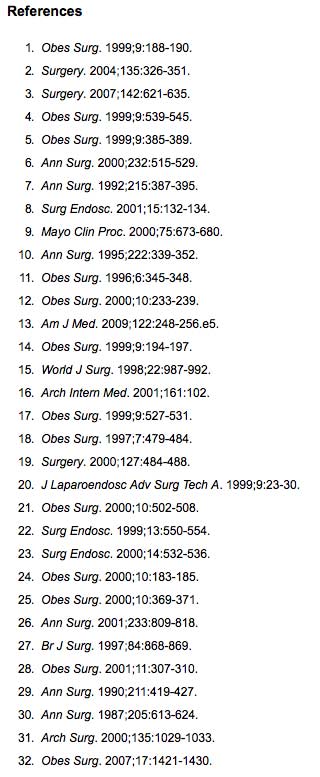
In a recent review article published in the September 2015- Volume 42:10 of General Surgery News, the surgical outcomes of different procedures were summarized. There were evaluated based on a number of measures, including re-operation rates. So interesting to note that the re-operation rate of the duodenal switch is the lowest of all surgical procedures.
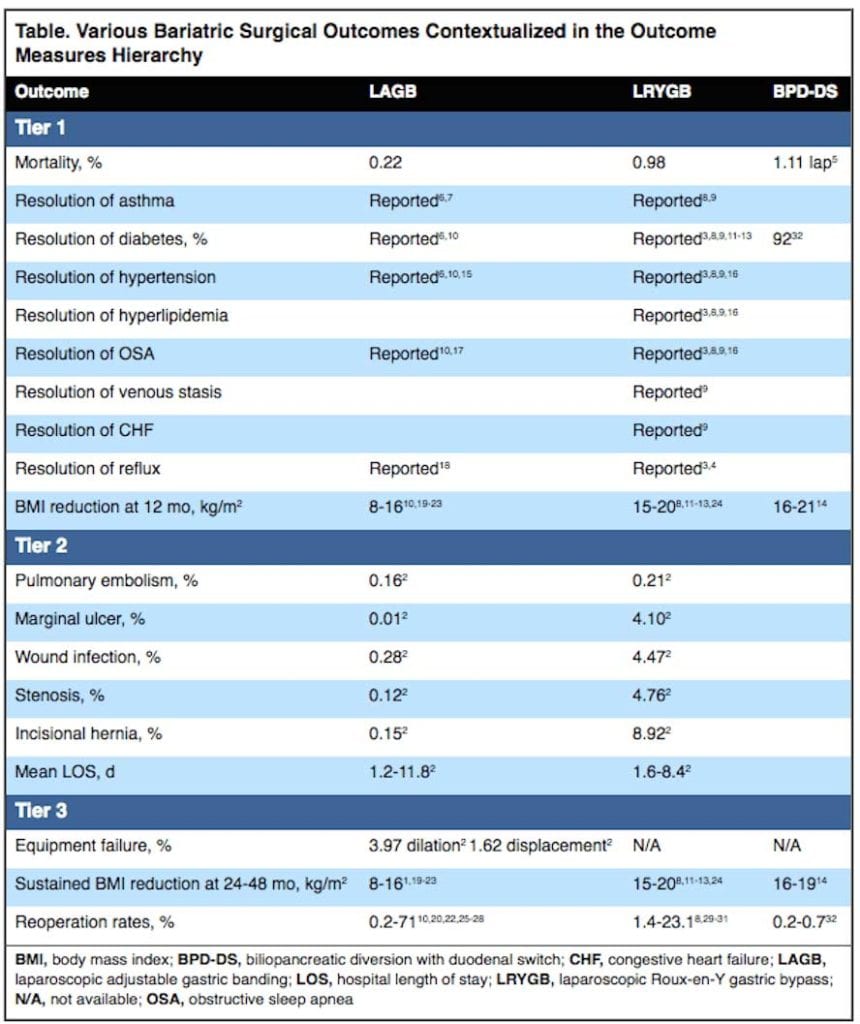
Adjustable gastric banding had the highest reported re-operation rate. To be noted is the longer the time lapse the higher the need for re-operation for the band.
Original article here.
Revision of a Sleeve Gastrectomy or RNY
August 31, 2015 6:32 am
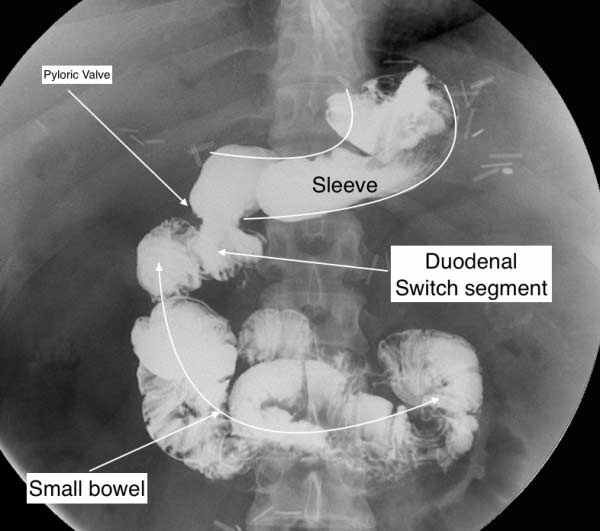
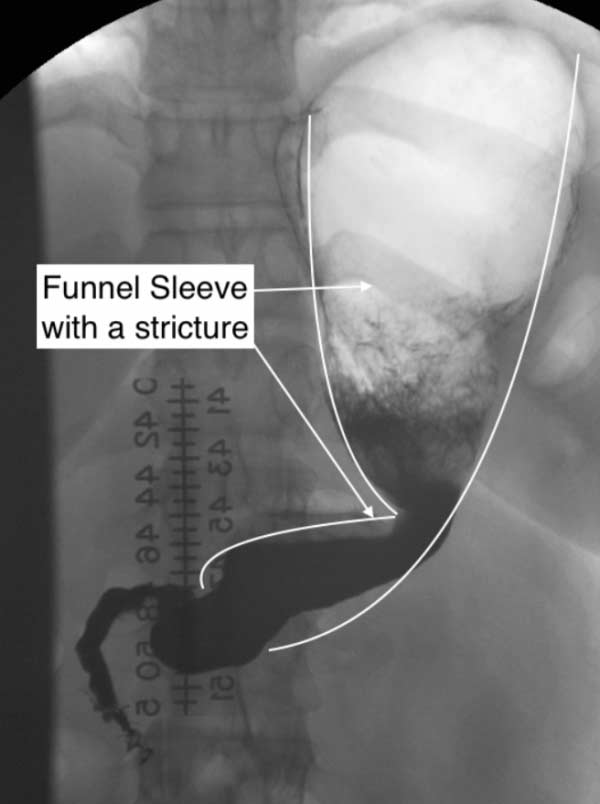
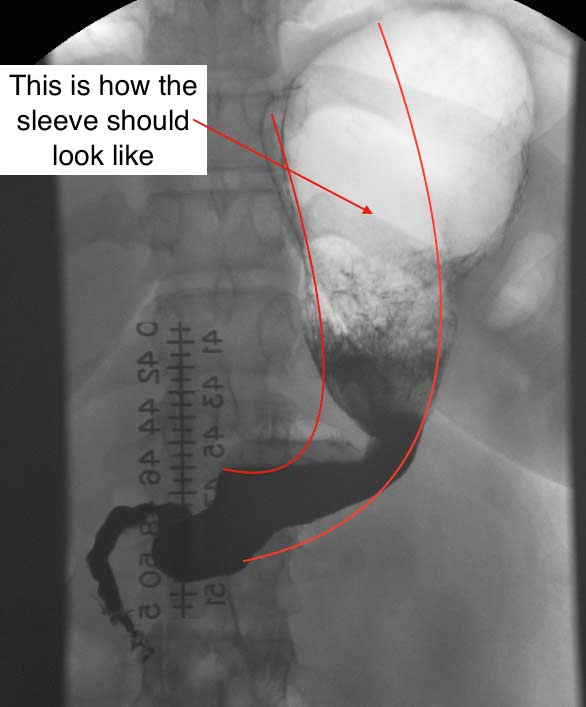
These are examples of two types of patients referred to us for revision surgery.
The first example is a gastric bypass that we revise to the duodenal switch operation. The upper GI series after the revision, shows a “banana shaped” stomach, the pyloric valve and the duodo-ilesotomy anatomosis component of the duodenal switch.
The second example, images noted below, is that of a sleeve revised to the duodenal switch – both operations done at different institution. Note how the stomach is not a “banana shaped” and more like a funnel with a narrowing at the bottom of the stomach- a stricture.
Internal Hernia And Bowel Obstruction
August 21, 2015 7:49 pm
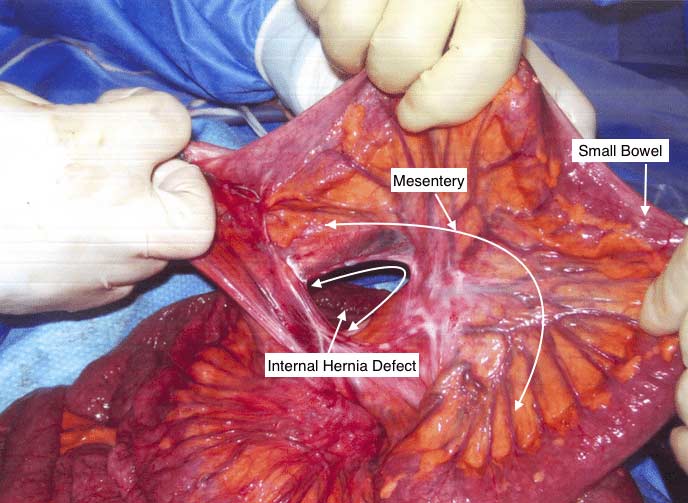
Whenever there is a bowel resection with anastomosis made there will be a defect in the mesentery (the tissue that holds the blood supply and the nerves etc going to and from the bowel) that needs to be closed. In this particular case, the stitches that were used to close the defect were intact and yet the tissue had separated from it. The result is an internal hernia. This can cause bowel obstruction, where by a loop of the bowel can go through the defect and kink the bowel causing the blockage. In some cases, the internal hernia may reduce itself with intermittent symptoms of the bowel obstruction and in other cases it may require immediate emergent surgery. A CAT scan with oral and IV contrast is needed after Duodenal Switch to visualize the alimentary and bioliopancreatic limbs.
Symptoms may include but are not limited to:
- nausea
- vomiting
- abdominal bloating
- abdominal tenderness
- cramping abdominal pain
- diarrhea, constipation
- feeling of inability to completely empty bowels
- fever
- severe abdominal pain.
Alcohol and Weight Loss Surgery Webinar May 20, 2015
July 27, 2015 7:27 am
Informed Surgical Consent
July 18, 2015 9:39 pm
Surgical informed consent is the document that summarizes the discussion that has been carried out between the treating physician and the patient. It also outlines the expectations as well as the potential complications of the treatment being proposed.
An informed consent should mean that the patient is absolutely clear as to the procedure agreed upon and that is reflected on the consent. No abbreviations are allowed on the consent forms. Clearly, there are instances when a physician or surgeon providing service may have to deviate from the proposed plan and agreed upon procedure on the consent because of unexpected findings in the operating room.
Any patient undergoing surgery should be acutely aware of the terminology and the language used. With regards to weight loss surgical procedures, RNY and GB is not acceptable because they are both abbreviations.
Duodenal Switch is a distinct well described procedure with its unique identifiable code (43845 for open procedure) that is recognized by hospitals, insurance companies and the surgical societies.
Duodenal Switch operation is not SADI, SIPS nor a loop Duodenal switch. Any attempt to interchanges these terms or operations is inaccurate the say the least.
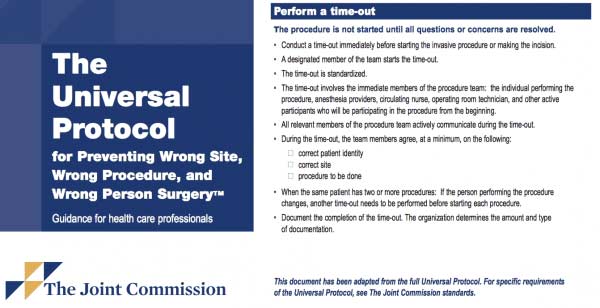
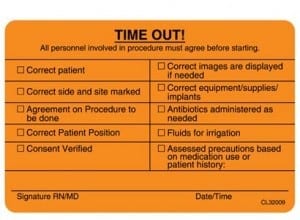
A surgical informed consent is signed by the patient ( or the guardian) and the treating physician. This document however is reviewed and confirmed by all those involved in the patient’s care delivered in the hospital. The consent is reviewed by the admission staff when taking the patient for surgery, preoperative nursing and administrative staff, operating room circulating nurse as well as the anesthesia staff. One step most patients may not be aware is initiated after the general anesthesia is induced. The operating room staff, anesthesia staff and the operating physician all go through a set of checklist known as “Time out”.
“Time out” involves confirming the patient’s identification as well as the proposed procedure as the patient had discussed with the staff and confirming the consent.
It is imperative that a patient have complete understanding of their surgical options available to them and critical that they have full knowledge of the type of surgical procedure that has been consented to and performed.
Iron Deficiency & Anemia July 15, 2015 Webinar Recording
July 16, 2015 1:52 pm
Vena Cava Filter
July 06, 2015 7:09 am