
Category: Uncategorized
Less Invasive, Easier?
July 20, 2016 11:02 am
There is a continuous desire for a “less invasive”, “easier” procedure for the treatment of obesity and its associated co-morbidities. We have been very clear when discussing the benefits and long term outcome of the procedures. Let’s remind ourselves that “less invasive” does not mean a better option. In almost all cases a less invasive weight loss surgery means less weight loss, lower incidence of resolution of co-morbidities, and in some cases higher complications rate. Have we forgotten the adjustable gastric banding that was advocated to be the cure all for all obesity? All we hear now are the complications, the long term sequel of the reflux, hiatal hernia, irreversible esophageal injury, in addition to inadequate weight loss or weight regain.
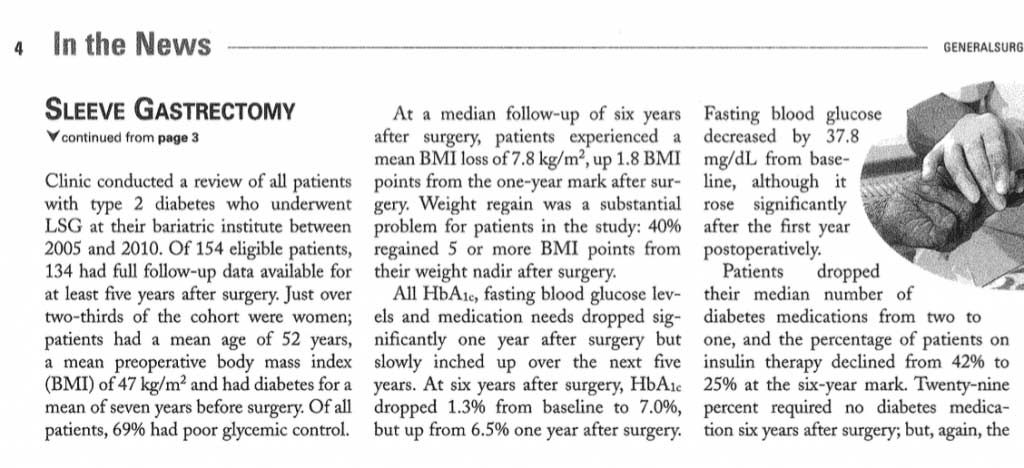
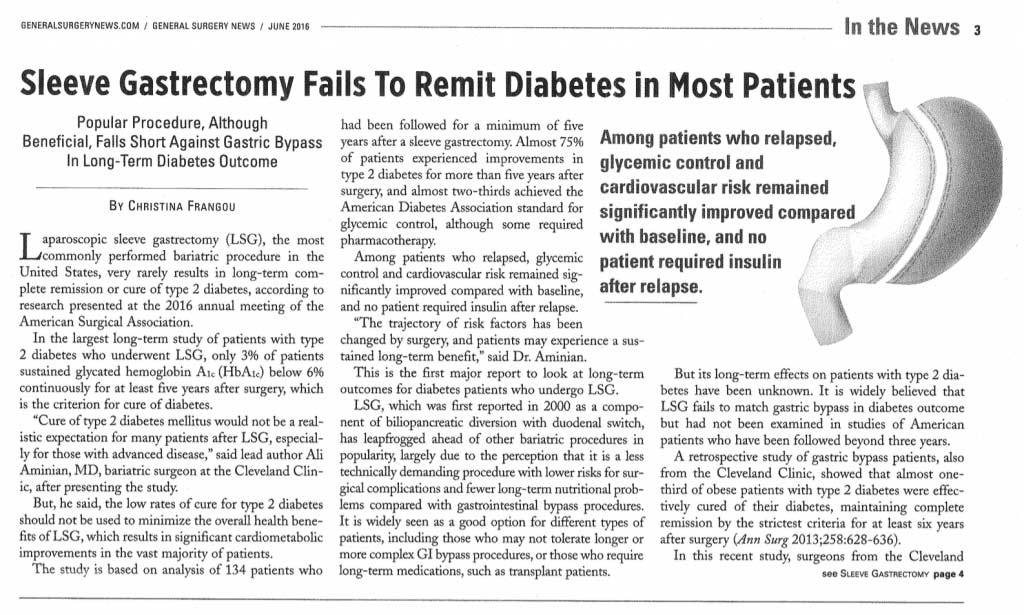
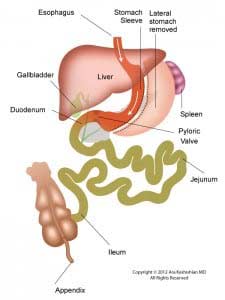
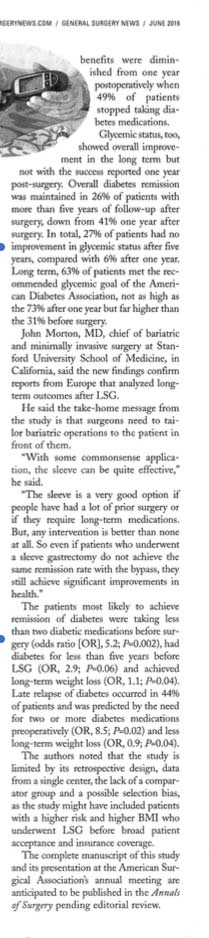
Unfortunately, the same is to be said about the Sleeve Gastrectomy. We have said, as supported by the scientific literature, that the long term outcome of the sleeve gastrectomy is not as good as that of the Duodenal Switch procedure. This is true for the amount of weight loss as well as the resolution of the co-morbidities. We see quite a few patients who have gained their weight back after sleeve, never lost enough weight, and/or did not achieve resolution of their co-morbidities, such as diabetes, and are having their procedure revised to Duodenal Switch procedure.
Here is a recent publication that discusses this.
Along with the same argument, this is why I caution patients when having the SIPS or SADI procedures. There is a chance that when the long term data for SIPS/SADI is available there may be some benefits procedure. However, as it stands at this point in time, these procedures are not the same as the Duodenal Switch procedure. So in short, less invasive, easier isn’t better.
Hydration IdeasExclusive Member Content
July 07, 2016 2:22 pm
Intestinal Peristalsis
June 24, 2016 6:32 pm
The following video is an example of intestinal peristalsis, the rthymic contraction and relaxation of the intestinal muscles to propel digested food through the intestinal tract. This process starts after food product is swallowed into the esophagus. It continues once the food is emptied through the pyloric valve into the small intestine. This motion allows for absorption of nutrients from the food product. Peristalsis continues throughout the small intestine and into the colon (large intestine) until defecation.
Click the following to view the Video of Intestinal Peristalsis
Peristalsis also happens within the tubes connecting the kidneys and bladder and also the tubes between the gallbladder and duodenum
Don’t lose your Pyloric Valve over a Failed Gastric Sleeve
June 22, 2016 9:32 am
In my opinion, there are very few reasons to lose your Pyloric Valve after sleeve gastrectomy. Recently, I am hearing of people who have had regain due to a failed Sleeve Gastrectomy being revised to Gastric Bypass RNY and then seeking a Duodenal Switch due to regain from Gastric Bypass RNY. A better option is to go from Sleeve Gastrectomy to Duodenal Switch, due to the long term excess weight loss maintenance of Duodenal Switch. The benefit of the pyloric valve can not be taken lightly.
Let’s start by reminding ourselves as to how the Sleeve Gastrectomy has gained popularity. In the quest for a simple solution to the complex problem of obesity, adjustable gastric banding gained popularity only fail to deliver anything close with the results that were promoted and heavily marketed. The focus was then changed to another seemingly simple procedure, laparoscopic sleeve gastrectomy. For some surgeons this is a new procedure. Surgeons that had been doing the duodenal switch operation for decades, sleeve gastrectomy has not been a new procedure. Surgeons that just started doing sleeve gastrectomy as a stand alone procedure started experiencing complications of the sleeve gastrectomy, such as regain and are now looking for another option for these patients. This complication are even more frequent when they’re done following a failed adjustable gastric band procedures due to the metabolic issues after revising one weight loss surgery to another. A similar short sighted approach is also being promoted with SIPS/SADI procedures, which is significantly simpler to perform than the duodenal switch operation.
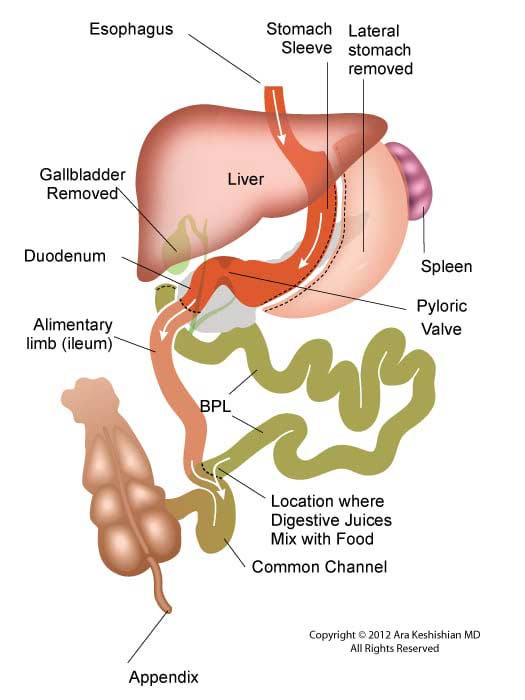
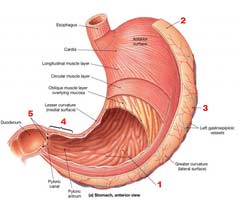
Laparoscopic sleeve gastrectomy has a predictable profile for weight loss. It will not have as good on the long-term success rate as a duodenal switch operation. Complications of the sleeve gastrectomy including reflux, stricture, fistula, inadequate weight loss which may warrant evaluation and possible intervention. In my opinion, as a surgeon who does the duodenal switch operation routinely, a sleeve gastrectomy requiring revision should almost never be revised to a gastric bypass. I have seen number of patient’s who have had an adjustable gastric banding which was revised to the sleeve gastrectomy then to a gastric bypass. We are contacted for a possible revision to Duodenal Switch operation because of the weight regain. One can argue that the patient should not have had the sleeve gastrectomy or gastric bypass. It is critical that the complexity of the disease of the obesity is clearly appreciated that it purely restrictive procedure will not yield the desirable outcome long-term.
Benefits of the Pyloric Valve:
The pylorus is the valve located at the end of the stomach. It controls the release of the liquid mixture of food from the stomach into the small intestine.
The body naturally regulates the passage of food, so food will stay in the stomach for a certain period of time. We believe it is very important to continue that feeling of fullness in between meals. As a result, one of the principle functions of the pyloric valve is to regulate the amount of food products released into the small intestine where they are absorbed. This helps prevent dumping syndrome and ulceration.
The bodies natural diameter of stomach, pyloric valve and small intestine is left intact. This elevates stretching of the stomas created by RNY Gastric Bypass.
Summary
These failed Sleeve Gastrectomies should be revised to Duodenal Switch unless there are overwhelming health issues that would require another option. I always suggest several opinions from different Bariatric Surgeon’s who do a variety of Weight Loss Surgeries before deciding which type of revision to proceed with.
Is Weight Loss Important Before Weight loss Surgery?
June 21, 2016 7:52 am
The question of “Is a pre operative diet and weight loss important?” No. This is the short answer. In a previous blog, “Weight Loss Before Weight Loss Surgery?” I have gone into further detail about why I don’t require a pre operative diet and weight loss program.
More recently there has been a concerted effort by a number of major health plans to require 3-6 months documented pre operative diet attempt prior to authorization for weight loss surgery. Furthermore, there are surgeons who would mandate a 10% weight loss as a precondition for the patient to have a weight loss surgery, laparoscopic sleeve gastrectomy for example. The overwhelming scientific literature fails to support any direct correlation between preoperative weight loss and the outcome of the weight loss surgery.
Some surgeons require preoperative weight loss as a way to reduce the size of the liver. I’ve personally have never met a liver I couldn’t work around unless it was severely diseased.
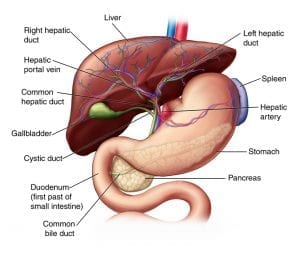
There is some literature to support this position. However, one has to critically look at all the studies. Almost all the studies have very specific population and procedures that are being looked at. Most often the recommendations had been made for adjustable gastric banding procedures. There are also some that are recommending the same for Lap Sleeve cases only siting the reduction of the liver size as a reason for the Very Low Energy Diet as a precondition to surgery. It is, however, important to remind ourselves that there is no long term studies whatsoever that show any relationship between the preoperative weight loss and the outcome of any weight loss surgery.
Why “Diets do not Work?
June 17, 2016 6:24 am
The question of “Is a pre operative diet and weight loss important?” No. This is the short answer. In a previous blog, “Weight Loss Before Weight Loss Surgery?” I have gone into further detail about why I don’t require a pre operative diet and weight loss program.
More recently there has been a concerted effort by a number of major health plans to require 3-6 months documented pre operative diet attempt prior to authorization for weight loss surgery. Furthermore, there are surgeons who would mandate a 10% weight loss as a precondition for the patient to have a weight loss surgery, laparoscopic sleeve gastrectomy for example. The overwhelming scientific literature fails to support any direct correlation between preoperative weight loss and the outcome of the weight loss surgery.
Some surgeons require preoperative weight loss as a way to reduce the size of the liver. I’ve personally have never met a liver I couldn’t work around unless it was severely diseased.

There is some literature to support this position. However, one has to critically look at all the studies. Almost all the studies have very specific population and procedures that are being looked at. Most often the recommendations had been made for adjustable gastric banding procedures. There are also some that are recommending the same for Lap Sleeve cases only siting the reduction of the liver size as a reason for the Very Low Energy Diet as a precondition to surgery. It is, however, important to remind ourselves that there is no long term studies whatsoever that show any relationship between the preoperative weight loss and the outcome of any weight loss surgery.
First Step
June 15, 2016 2:17 pm
First Step

Crohn’s Disease and Ulcerative Colitis
June 07, 2016 6:33 am
Crohn’s Disease and Ulcerative Colitis are two disease processes that effect the large intestine to varying degrees and in the case of Crohn’s possibly part of the small intestines. Both fall under the category of Inflammatory Bowel Disease however there are differences between Crohn’s Disease and Ulcerative Colitis even though they may share some symptomatology.
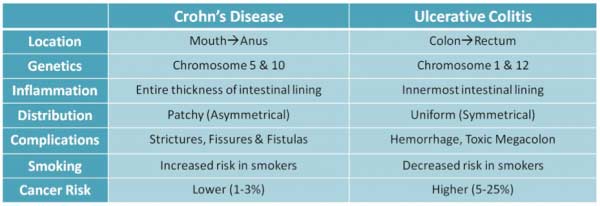
Crohn’s Disease (CD) is an inflammatory bowel disease (IBD) that causes deep tissue inflammation of the digestive lining tract. It affects the gastrointestinal (GI) tract, extending from the mouth to the rectum. CD has an asymmetrical progression, where it does not affect the entire tract uniformly (1). It is commonly found at the end of the small bowel (ileum) to the start of the large bowel (colon).
Complex interactions between three factors contribute to the occurrence of CD:
- Immune Response: Foreign environmental substances may elicit an overactive immune response. T-cell mediated immune response identifies threatening affluences and works to protect the body. This stimulates inflammation, often times without control, in the body as the body’s natural defense mechanism (2,3).
- Inherited Genes: Variation in genes that produce proteins involved in immune function may disrupt intestinal cell’s ability to respond normally to bacteria. Studies also show genetic deviation in chromosomes 5 and 10, which contain IBD loci. Alterations at this locus may lead to the increased risk of CD.
- Environmental Factors: Factors such as smoking, those between the ages of 10-40 yrs. (commonly diagnosed before 30 yrs.), diets high in sugar/sweeteners, fats/oils, and total fat may lead to the increased risk of developing CD.
Common symptoms of CD include frequent diarrhea, rectal bleeding, fatigue, fever, weight loss, reduced appetite, abdominal pain/cramps, and fever. Inflammation in CD is unevenly widespread throughout the GI tract. Inflammation in the mouth, esophagus, and stomach can lead to ulcers. However, they are rather uncommon. Inflammation in the small intestine, colon, and rectum may lead to ulcers as the severity increases (5). The complications in CD are due to chronic inflammation, which may lead to:
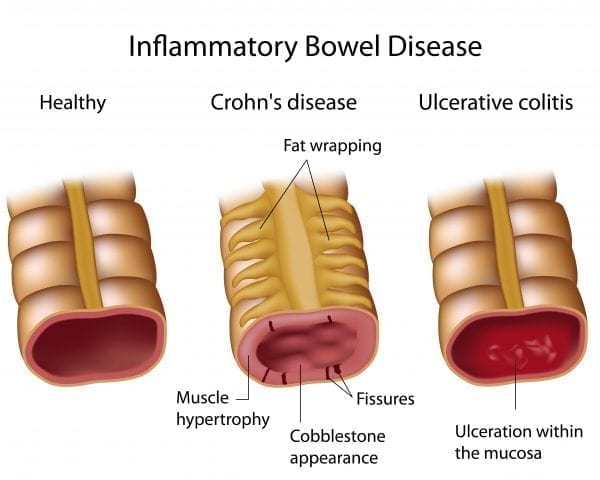
- Intestinal narrowing (stricture)
- Abscess: collection of pus
- Fistula: abnormal connection or tract
- Colon Cancer
- Other disorders such as anemia, osteoporosis, gallbladder/liver disease, etc.
Antibiotics, anti-inflammatories, corticosteroids, and immunomodulators have been proven to regulate the mechanisms of CD. Surgical treatment may also benefit the patient. There are several surgical options that may be performed depending on the symptoms and findings.
- Strictureplasty
- Resection
- Proctocolectomy or Colectomy
There is no known cure for Crohn’s Disease; however these treatment options may control it.
Ulcerative Colitis (UC) is an inflammatory bowel disease (IBD), which results in damaging inflammation of the colon and rectum. It effects 700,000 men and women in the United States. As opposed to Crohn’s Disease, UC spreads evenly throughout the colon and rectum only (9). It does not affect the entire GI tract.
Like CD, Ulcerative Colitis occurs through a complex interaction of three factors:
- Immune Response: T cells (lymphocyte) mature and function in identifying foreign substances to then defend the body against infection.
- Inherited Genes: Variation in genes that protect intestinal function are more likely to respond abnormally to bacteria. Studies show genetic deviation in chromosomes 1 and 12 (11).
- Environmental Factors: Factors such as those between the ages of 1-30 yrs. or exposure to isotrentinoin (vitamin A derivative) may be at risk for UC.
Common symptoms of UC include bloody diarrhea, abdominal pain, weight loss, reduced appetite, fatigue, and fever. Inflammation in UC is evenly spread, yet restricted between the colon and rectum (10). Inflammation in the right (ascending), transverse, left (descending), sigmoid colons, and rectum can lead to ulcers that vary in size and depth (red, bloody, swollen). The complications of UC are due to prolonged inflammation, which can lead to:
- Increased risk of blood clots
- Colon Cancer
- Other disorders such as osteoporosis, liver disease, etc.
Antibiotics, anti-inflammatories, corticosteroids, and immunomodulators have been proven to normalize the mechanisms of UC. There is no cure for Ulcerative Colitis, but these treatment options may help regulate it.
It is important to have a coordinated team of medical professionals to develop an ongoing and dynamic treatment plan as well as surveillance for side effects of CD and UC. Patients can lead a productive life regardless of the challenges of CD and UC with appropriate medical treatment.
References
- Westall, F. C. (2006). Integrating theories of the etiology of Crohn’s disease on the etiology of Crohn’s disease: questioning the hypotheses. William M. Chamberlin, Saleh A. Naser Med Sci Monit, 2006; 12 (2): RA27-33. Medical Science Monitor, 12(5), LE5-LE6.
- Folwaczny, C., Glas, J., & Török, H. P. (2003). Crohn’s disease: an immunodeficiency?. European journal of gastroenterology & hepatology, 15(6), 621-626.
- Braat, H., Peppelenbosch, M. P., & Hommes, D. W. (2006). Immunology of Crohn’s disease. Annals of the New York Academy of Sciences, 1072(1), 135-154.
- Canavan, C., Abrams, K. R., Hawthorne, B., Drossman, D., & Mayberry, J. F. (2006). Long‐term prognosis in Crohn’s disease: factors that affect quality of life. Alimentary pharmacology & therapeutics, 23(3), 377-385.
- Talbot, R. W., Heppell, J., Dozois, R. R., & Beart, R. W. (1986, February). Vascular complications of inflammatory bowel disease. In Mayo Clinic Proceedings (Vol. 61, No. 2, pp. 140-145). Elsevier.
- Eaden, J. A., Abrams, K. R., & Mayberry, J. F. (2001). The risk of colorectal cancer in ulcerative colitis: a meta-analysis. Gut, 48(4), 526-535.
- Colitis–Pathophysiology, U. (2003). Inflammatory bowel disease part I: ulcerative colitis–pathophysiology and conventional and alternative treatment options. Alternative medicine review, 8(3), 247-283.
- Greenstein, A. J., Janowitz, H. D., & Sachar, D. B. (1976). The extra-intestinal complications of Crohn’s disease and ulcerative colitis: a study of 700 patients. Medicine, 55(5), 401-412.
- Lennard-Jones, J. E. (1989). Classification of inflammatory bowel disease. Scandinavian Journal of Gastroenterology, 24(sup170), 2-6.
- Gillen, C. D., Walmsley, R. S., Prior, P., Andrews, H. A., & Allan, R. N. (1994). Ulcerative colitis and Crohn’s disease: a comparison of the colorectal cancer risk in extensive colitis. Gut, 35(11), 1590-1592.
- Silverberg, M. S., Cho, J. H., Rioux, J. D., McGovern, D. P., Wu, J., Annese, V., … & Barmada, M. M. (2009). Ulcerative colitis–risk loci on chromosomes 1p36 and 12q15 found by genome-wide association study. Nature genetics, 41(2), 216-220.
Weight Loss Surgery Effects On Iron Absorption
June 06, 2016 9:40 am
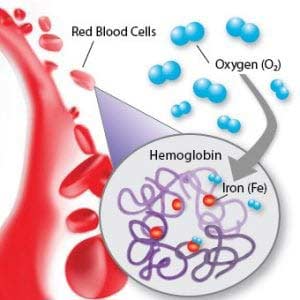
Anemia is a condition in which a person doesn’t have enough healthy red blood cells. Red blood cells (RBCs) function in carrying oxygen to the tissues and they are produced in the bone marrow. Iron deficiency anemia, the most common form of anemia, develops when the body is unable to produce sufficient hemoglobin because of an iron deficiency. To read more about iron deficiency anemia, please refer to our previous blog post here.
Iron is an essential mineral that is a critical component of hemoglobin. Hemoglobin (Hg) is a four protein molecule that carries oxygen from the lung
s to the tissues. It is also important in maintaining RBC shape for proper blood flow. Each of the four globulin chains in Hemoglobin contain an iron compound called a heme. An iron atom is fixed within the heme group to give the red blood color and transport oxygen and carbon dioxide. If the body does not have enough iron, the bone marrow will not produce enough Hemoglobin which results in unhealthy RBCs.
Iron is exposed to acids in the stomach, which alters the form into a configuration that allows absorption. The Duodenum of the small intestines is the main site of iron absorption. The ileum, found at the end of the small intestinal tract, is the site of secondary absorption. Once absorbed, each plasma protein transferrin transports two atoms of iron to the liver, spleen, and bone marrow (2).
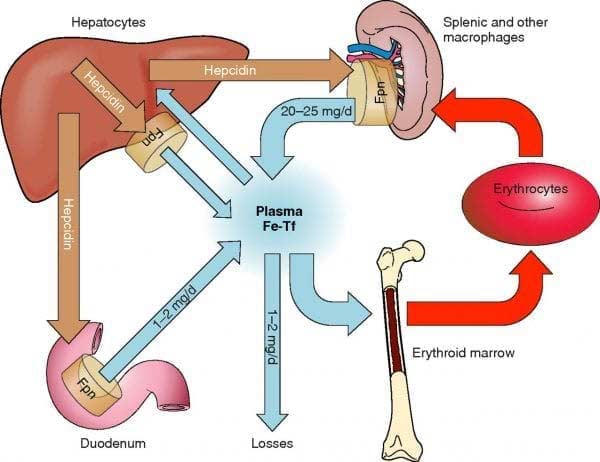
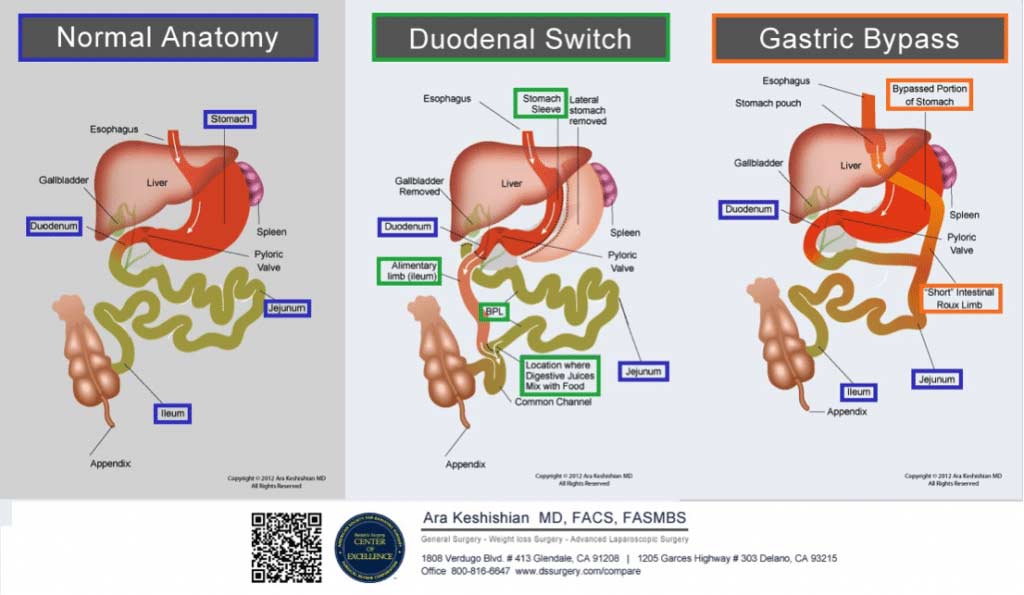
Anemia is common among patients who have undergone surgical weight loss procedures. Some weight loss procedures change the anatomy of the small intestinal tract result in malabsorption due to the restriction of food and nutrient intake. In Roux-en-Y gastric bypass (RYGB), the stomach and duodenum are completely bypassed thereby increasing the risk of iron deficiency. In the Duodenal Switch a small portion of post pyloric Duodenum is left intact to aid in iron absorption, however this may not be adequate for every individual. By redirecting the small intestinal tract in Duodenal Switch, only a small segment of the ileum is able to absorb the necessary nutrients. In both procedures however, blood tests find that patients can become iron deficient (1,3) and require oral iron supplementation or intravenous iron infusions if oral supplementation is inadequate to maintain iron levels.
Inadequate iron levels can be treated by taking iron salt supplements, especially along with vitamin C pills that help the body absorb more iron. Other types of supplements are Heme and chelated oral iron that are well tolerated without gastrointestinal upset of iron salts. For some WLS patients there may not be enough capacity for iron absorption via the GI tract and those patients may need Intravenous Iron infusions periodically. Dietary iron sources are important as a surgical weight loss patient as they are usually also high in protein (blog). Ie: Poultry, red meat, pork, seafood, eggs, beans, and green leafy vegetables are also a good source of iron.
In addition to supplementation of iron, it is important to identify any contributing factors to blood loss or decreased iron absorption such as gastrointestinal bleeding, heavy menses, surgery, pregnancy, medications or combination of supplements, infection or dietary issues. Identifying, advanced planning and/or correcting any contributing factors may reduce the iron demand for WLS patients.
In summary, iron absorption will be affected by altering the anatomy of the small intestinal tract. Although it takes a great deal of time to restore iron levels, reversing deficiency will help avoid symptoms and maintain proper blood, brain, and heart health.
Colored Coded Diagrams of where nutrients, vitamins and minerals are absorbed:
Please note this article and these diagrams are Member Exclusive Only. They are available for use by our patients ONLY. Please review your terms of use of our Member Exclusive Area.
Diagram of normal anatomy absorption here [Download not found].
Diagram of DS anatomy absorption here [Download not found].
Diagram of RNY anatomy absorption here [Download not found]
Written by: Mariam Michelle Gyulnazaryan & Dr. Ara Keshishian
References
- Fincannon J. Iron deficiency after gastric bypass surgery. University of Rochester Medical Center. 2016.
- Forth W, Rummer W. Iron absorption. Physiological Revies. 1973; 53(3) 724-792.
- Sawaya RA, Jaffe J, Friedenberg L, Fridenberg FK. Vitamin, mineral, and drug absorption following bariatric surgery. Curr Drug Metab. 2012; 13(9) 1345-1355.
- Von Drygalski A, Andris DA. Anemia after bariatric surgery: more than just iron deficiency. Nutr Clin Pract. 2009; 24(2) 217-226.
Shared Success Story Update- Cyndi RNY to Duodenal Switch
June 06, 2016 6:37 am
Three Years Out Cyndi E … RNY to Duodenal Switch Revision
The Journey to get to the three year mark, has been amazing! And truly, The JOY is in the JOURNEY.
I am a JOYFUL “Third Time’s the Charm Revisionista”…. This is my new title…. And I say this proudly!!
For too many years (like 45! at least) I carried the shame and blame of being overweight and beat myself up on the inside. I tried everything, from age 13. I tried every diet, every program, and yes, I will say it, I have had THREE, yes THREE surgeries. And then, I let others convince me, and I bought into this, that I was a failure… BUT, I am not a failure. Surgery fails. For a long time, I could not say that, again with the SHAME word. BUT, I am done with shame, and I am done with blame. I no longer blame myself and I no longer shame myself or my body, because now, she and I, my body and I, are friends, and we are nice to each other.
Thankfully for me, I was in the right place at the right time, and met Dr. Ara Keshishian… My story with Dr. Keshishian, is simple. Dr. K was the first Doctor that did not blame me for my weight. He explained that each weight loss surgery has different measures of success, and percentages by weight loss surgery and outcomes. He educated me. He did not blame or shame me, he encouraged me. He also did an Endoscopy and found that I has a Gastro-Gastric Fistula. Simply put, this was an abnormal connection between the bypassed stomach and the small pouch created by the RNY Gastric Bypass surgery. Food could travel two ways, thus rendering the Gastric Bypass ineffective causing weight gain.



Dr. Keshishian performed my revision from RNY to Duodenal Switch on May 31, 2013. The procedure corrected my anatomy, enabling me to lose weight and regain my health. I have no complications, no issues post surgery.
Today, being a “Three Year Old” RNY to Duodenal Switch revisionista, I have a better perspective as a relative “newbie”. I am not a prisoner of my weight. I have lost 125-130 pounds, I am 5’12” (6 feet lol) 61 years old and for the first time in my life at a NORMAL WEIGHT! I do not fear, any longer, that I will gain my weight back. I am, however, mindful that I am consistent in my new habits and patterns that I have put in place, that keep me on track. I am also accountable. To myself, also to my Weight Loss Support Group, here in Paso Robles, to some fellow DS girlfriends that
I talk with about challenges, and with Dr. Keshishian. I am not held captive by my limitations, or my weight, and now I live with the possibilities each day brings and the fun challenges I put in front of me to conquer.
To the “newbies” I say, please take your time, treat yourself kindly, with your inner voice. This is not a race, this is a journey. Don’t rush, it’s ok to take it slow, listen to your body. And do not compare your journey to anyone else. You are you! You do you! You can do this well, one day at a time. Listen to the sage advice of those who went before you. We too have learned by trial and error. Be willing to sacrifice in the short term, for the gift of the long term life. Your DS is forgiving, you be forgiving as well!!!
Remember: WATER, PROTEIN, SUPPLEMENTS, EVERYTHING ELSE, EAT CLOSE TO THE DIRT, ELMO DIET
With JOY, Cyndi