
Category: Uncategorized
Bariatric Surgery effects on PCOS
May 17, 2017 11:02 am
Women with Polycystic Ovary Syndrome (PCOS) often feel hopeless and depressed with their diagnosis. Bariatric Surgery improves metabolic syndrome, diabetes resolution, cardiac improvement, quality of life, and increased life expectancy. Bariatric Surgery effects on PCOS are positive in many aspects. However, there isn’t a consensus regarding recommendation for bariatric surgery for PCOS other than morbidly obesity with co-morbities.
PCOS has been shown to effect approximately 10% of women of childbearing age with symptoms of menstrual abnormalities, poly cystic ovaries, and excess androgen (male sex hormone). PCOS should be diagnosed by ensuring there are no other underlying endocrine issues. There are several associated disease processes that seem to be related to PCOS, such as Type 2 Diabetes, higher depression and anxiety, increased cardiovascular risks, stroke, hyperlipidemia, sleep apnea, overall inflammation, and endometrial cancer.
Bariatric surgery can improve several issues related to PCOS such are Type 2 Diabetes, lower weight, sleep apnea, infertility, and hyperlipidemia. Duodenal Switch has the highest rate of Type 2 Diabetes resolution of all weight loss surgeries available at this time. Duodenal Switch also significantly improves hyperlipidemia.Weight loss surgery has been shown to improve and in some cases resolved PCOS in general. A recent meta-analysis of the effects of bariatric surgery in more than 22,000 procedures found an average weight loss of 61%, associated with the complete resolution or improvement of diabetes, hyperlipidemia, hypertension, and obstructive sleep apnea in more than 60% of the patients. Another study looked just at PCOS patients and their metabolic improvement from 47% of the PCOS population to only 21% post Bariatric Surgery.
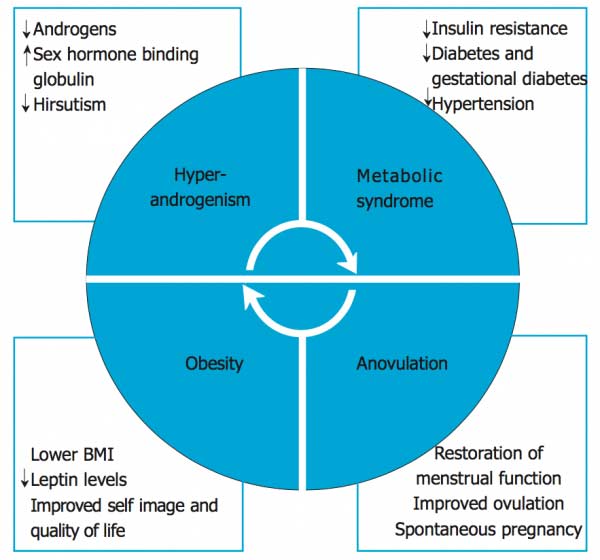
Several recent article have described how Bariatric Surgery effects PCOS with positive aspects related to fertility. The range of improved fertility in post Bariatric PCOS patients is a wide range of 33-100% with in the literature. It is thought that the loss of fat mass improves hormone levels and insulin resistance in PCOS and has a positive effect on fertility. One study of only 6 omen had a 100% improvement of infertility. American Society of Metabolic and Bariatric Surgery as well as the American College of Obstetricians and Gynecologist have a statement that bariatric surgery is should not be considered a treatment for infertility. The graphic below demonstrates the overlap of some of the symptomatology between PCOS, obesity and metabolic syndrome.
There are several documented positive effects and improvement in co-morbidilties related to PCOS post Bariatric Surgery. These include lipid profile, lower weight, cardiovascular risk, hypertension, and fertility. It is important to note that certain bariatric surgeries have better resolution of these co-morbidities or symptoms of PCOS. Always discuss with your physicians and surgeon what your options are and which treatments may work best for you.
In Summary, PCOS is a metabolic disease condition affecting different organ systems. Weight loss surgery should be considered as a viable treatment option and should be discussed with your OB/GYN and Infertility specialist.
Slipped Band Emergency
April 27, 2017 12:35 pm
A slipped Band emergency
This patient had a Adjustable Gastric Band (AGB) or LapBand place approximately 7 years ago. The last time this patients had a follow up with the surgeon who placed the AGB was 5 years ago. The patients has been having reflux, episodes of Nausea and vomiting on and off for about 2 years requiring multiple medical visits and procedures. He/she has had upper endoscopies, not by the surgical team and was diagnosed with esophagitis.
This patient presented in the Emergency Room with projective vomiting for 24 hours, bloody emesis, and significant dehydration. After obtaining the necessary tests and X-ray studies a plan was constructed. At this time, due to the continuous and significant nature of the symptoms this patient was taken to the Operating Room for emergency AGB removal.
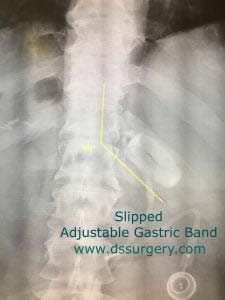
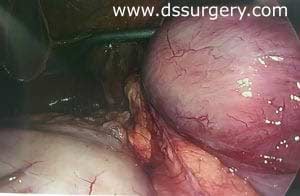
The abdominal X ray showed a slipped band. Following a complicated surgical procedure, the band was removed and a segment of the stomach that had eroded into the stomach was removed. The photograph below shows the end result with a portion of the stomach removed due to the band’s erosion into the stomach.
Additional information regarding complications of Adjustable Gastric Banding here.
We have several Adjustable Gastric Banding related surgical videos here under the heading of
“Band Related”, including a slipped band emergency video.
Metabolism following Reconstructive Surgery
April 18, 2017 7:47 am
I’ve had some questions regarding how Reconstructive Surgery can affect weight loss and metabolism after Duodenal Switch, Vertical Sleeve Gastrectomy, weight loss surgery and even in people who have not had weight loss surgery. There are several components that can effect a change in metabolism following Reconstructive Surgery that relates to physiological, functional, social and emotional mechanisms. These possible effects can vary person to person based on body type, age, weight, motivation, etc.
Fat mass resection and liposuction
Liposuction or the removal of fat mass by panniculectomy or abdominoplasty can have effects on lipid profile, leptin, waist hip ratio and glucose metabolism for 3-12 months depending on the individual and their health status. This have been researched and documented in both normal and higher BMI individuals. There is also an improvement noted in post bariatric surgical patients having breast reduction and abdominal plastic surgery. Of course, these effects can be controversial, conflicting and further research is needed.
Decrease in inflammatory markers
There is some evidence that the excision or liposuction of fat mass an decrease inflammatory markers and insulin resistance. This can affect C-reactive protein, TNF and cytokines levels. Little is known about the actual mechanism of this effect but the potential for this physiological change is present.
Increase metabolic need for healing
The metabolic needs following plastic surgery are much greater due to the nutrient needs required for healing. Depending on the extent of skin and tissues excised, the nutrient requirements can be considerably higher. This increase in nutrient need can increase metabolic rate, meaning you need more energy for healing. This significant stress also increases the complication associated with reconstructive surgery after weight loss surgical procedures.
Increased Motivation:
Many people are more motivated following plastic surgery because of the dramatic change in body appearance and ability. The increase in motivation can be either diet or physically related. Some people are more motivated to watch what they are eating and increase physical activity to increase the effect of plastic surgery. Obviously, this is an extremely individual experience and can happen in varying degrees
Possible increased restriction
In the case of abdominoplasty, there can be an increase in restriction due to tightening of the skin, muscle and inflammation of the abdominal wall. Thereby, helping to have a fuller feeling sooner when eating. This can also at times result the chance of the complication of reflux and/or stress urinary incontinence if the abdominal muscle tightening is excessive or there is weight regain later on after the abdominoplasty.
Increase mobility and functional status
Excess skin can impair mobility and physical activity for some. The removal of the excess skin can promote mobility, ease of movement, improve gait and posture, and can improve or relieve pain. Skin infections, rashes and irritation are often symptoms of excess skin especially in the abdominal or pelvic area. This is a functional improvement, and depending on the extent of the pannus, can be quite freeing.
Increased confidence
Improved self confidence, anxiety, mood, and body image are important motivators and incentives to post bariatric and plastic surgery patients. These improvements can have an effect on social and relationship aspects. However, it’s important to note that patients undergoing cosmetic surgery should have realistic expectations. Cosmetic, plastic or reconstructive surgery is not a panacea and does not in itself solve body image, personal or psychological issues. In addition, a post Bariatric patient may need additional time to recognize their physical and psychological changes following plastic or reconstructive surgery.
Summary
There may be metabolic, physiologic, physical and psychological improvements following Reconstructive surgery either after weight loss surgery or in non weight loss patients. These changes will vary based on the individual, age, dedication, health status, adherence to instructions, past medical and psychological history. However, appropriate education, screening and realistic goals and outcomes need to be emphasized prior to undergoing any type of plastic or reconstructive surgery.
Reflux and Hiatal Hernia
April 17, 2017 9:41 am
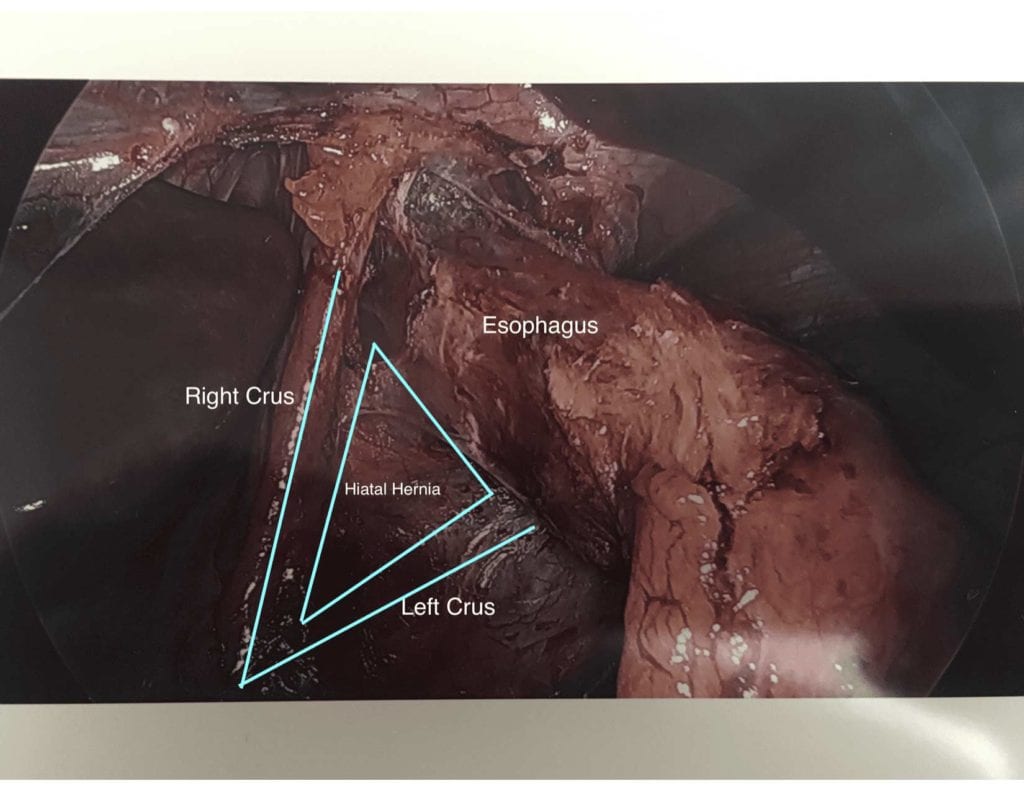
One of the leading reasons for Gastro-esophageal reflux disease (GERD) is a physical defect called a Hiatal hernia. The esophageal Hiatus is the opening in the diaphragm where the esophagus enters from chest cavity allowing the esophagus to pass into the abdominal space. If the opening in the diaphragm is much larger than the esophagus, it will result in reflux of the stomach secretions and food from the stomach into esophagus. *Note: Graphic surgical pictures below
Hiatal Hernia Causes:
- heavy lifting
- coughing
- obesity
- injury
- persistent vomiting
- age related
Reflux and Hernia Symptoms:
- sour taste
- reflux
- heartburn
- belching
- chest or abdominal pain
- difficulty swallowing
- vomiting
- no symptoms
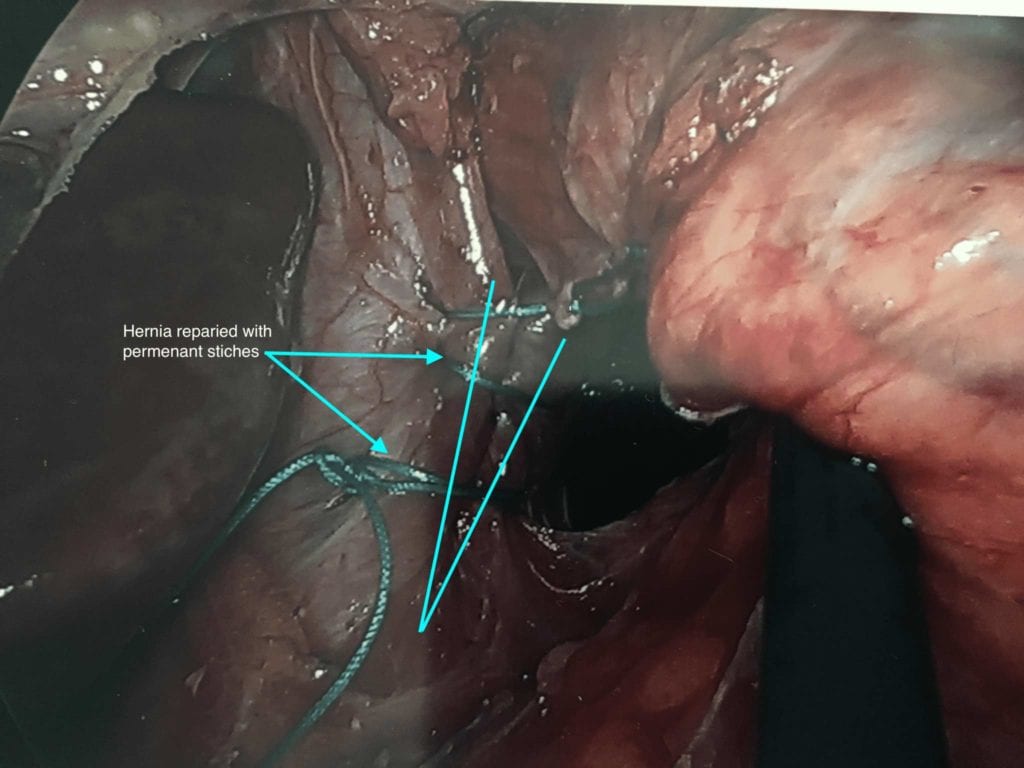
The treatment includes dietary changes, medication and in those who do not improve surgery.
Hiatal hernia repair includes tightening of the dilated opening of the esophageal hiatus by re-appoximating the separated muscle fibers of the right and the left crus. This tightens the defect in the diaphragm and helps prevent part of the stomach or stomach contents from entering the chest cavity.
You can find further information and dietary changes regarding Hiatal Hernia and GERD here, including information unique to weight loss surgery and Hiatal Hernia. You can also find further surgical information, as well as a surgical video here.
Dental Resources
February 24, 2017 10:55 am
You may have heard that I will be giving a lecture at the California Dental Association’s 2017 meeting. In preparation for the lecture, I have come across some excellent information with the assistance of and dental resources from Dr. Armen Mardirossian of Mardirossian Periodontics and Implants.
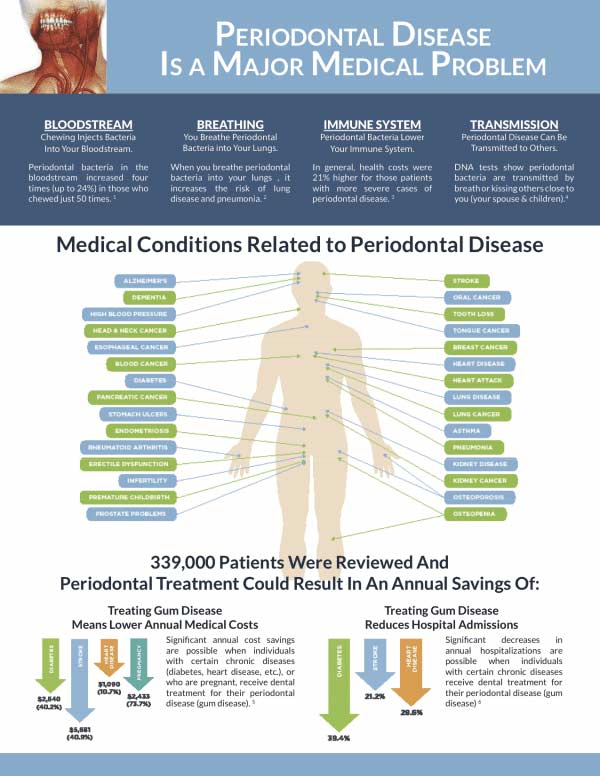
The following Dental Resources are part of many of the resources I have used to complete this lecture series for the Dental Association. Periodontal disease can effect every body system and should be addressed to avoid further damage and complications. We can not over emphasize the importance of good dental care. In addition, following weight loss surgery, supplementation of vitamins and minerals is extremely important. Always seek the care of a professional when dealing with dental issues or other physical symptoms.
We are sharing these resources with our patient population in order to shed some light on this topic. You can also find a previous webinar on the topic of Dental Issues After Weight Loss Surgery here.
Dental Resources document.
Thank you Dr. Mardirossian for your assistance.
Back on Track 2017 Giveaway
January 10, 2017 10:03 am

Let’s get back on track 2017 after the holiday season! The holidays were wonderful but if you find yourself with a few extra souvenirs don’t feel alone. The average American gains between 1-8 pounds during the holiday season and I am no exception. Let’s get back on track 2017 together.
Time to clear out the kitchen! Disposing of temptations and high trigger foods is the first step to getting back on track. If the food isn’t easily acquired then it is less likely to be consumed.
Stock up on high protein and whole, unprocessed foods that are low carbohydrate and nutrient dense. When quality foods are easily available we are more likely to stay on track with the types of foods we should be eating. Simple sugars/carbohydrates are the biggest culprit of holiday weight gain. We need to go back to the basics of hydration, high protein, low carbohydrate/sugar, vitamin/mineral supplements and exercise. Simple sugars and carbohydrates are easy for our bodies to use and absorb and cutting them back can jump start your weight loss. Each individual needs to identify the daily carbohydrate intake that works for them. Some people stay under 50 grams of carbohydrates daily. You may also need to look at your protein and fat intake. All excess nutrients absorbed have the potential to turn into fat mass and inhibit weight loss. Metabolism video.
Hydration is an important ways to start getting back on track. Water is essential to life functions. The brain is 85% water, blood is 80% and muscle is about 70% water. Hydration aids in digestion, eliminating waste, byproducts and toxins. It also can decrease the feeling of hunger. Lack of hydration can increase fatigue which can lead to craving high carbohydrate foods to increase energy.
Protein’s importance in almost every bodily function and muscle mass can not be ignored. High quality complete Protein sustains muscle mass during weight loss, aids immunity, antioxidant function, and enhances leptin and insulin function. Filling up on protein first will help with carbohydrate carvings and give a sustained satisfied feeling. A prior blog post gives additional information on the importance of protein and the effects of protein malnutrition. WLS makes daily protein intake important but especially after Duodenal Switch, protein is a necessity of daily life.
Vitamins, minerals and supplements will ensure the body has the nutrients it needs to function adequately and can keep cravings at bay. Deficiencies in vitamins and minerals can cause cravings for foods. Vitamin and minerals are essential to muscle function, red blood cell production, bone health, and numerous other physiologic functions. We may all slack off on our supplements occasionally but now is the time to get back into the habit of daily vitamins and mineral supplements. A daily vitamin, mineral, and supplement routine is a lifetime commitment after Duodenal Switch or any WLS. Here is a list of commonly used supplements.
Exercise can increase weight loss, overall well being, mental well being, mood, alertness, improve digestion, improve sleep, and increases energy levels. Exercise does not have to be a daunting task. Simply adding 15-30 minutes of activity can give added benefits. Yoga, walking, dancing, lifting weights, hiking, and sports activities can be included or added to more traditional forms of exercise. There are many free online videos for all types of exercise available.
Finding a new hobby can keep both your hands and mind busy, curbing the unconscious eating of foods that are high in sugar and carbohydrates. Adult coloring books, drawing, painting, knitting, crocheting, sewing, dance lessons, gardening, learning to play an instrument and many others are great ways to use your time and expand your quality of life and brain function. New hobbies can also help establish new coping skills. Our previous post on Coping Skills After Bariatric Surgery can be found here. There are a whole host of online videos for “how to” on new hobbies.
Teaming up with others can also help increase weight loss and compliance. Support from friends, family and other groups will assist you. There is a whole gamut of support group online and in person. If you have fallen out of the habit of attending our support group or webinars get back to them. You can find our schedule and announcements regarding webinars here. Our Central Valley Bariatric Facebook page also gives daily inspirational messages, protein recipes and articles and any new information or research available. There is also our Duodenal Switch Facebook Group. Anything that increases accountability is a benefit and motivates us to stay on track.
Experiment with new recipes and flavors that are bariatric friendly and within your dietary needs. There are so many options for quick and easy meals. We have several recipes on our page for all stages following weight loss surgery and Duodenal Switch. However, there are endless option on the internet in Paleo, low carb, and high protein type recipes.
In the spirit of new starts and getting back on track 2017, we are having a giveaway with the basics to get back into the swing of things. This year we are looking for before and after weight loss surgical journeys. Share your weight loss journey! Don’t be shy, your journey can inspire others and/or motivate yourself. To enter the Back on Track 2017 Giveaway, please submit your weight loss surgical journey with before and after pictures to [email protected] or you can also post your before and after pictures on our Facebook page. You will also need to sign a release for the use of your story on our website. We will draw 2 names from those that enter by announcing it on our FaceBook page or by e-mail on January 31, 2017. You must submit your mailing information to [email protected] in order to claim the prize.

Weight Gain after Gastric Bypass
January 04, 2017 9:12 am
Weight loss surgical procedures have different long term results and some procedures have more dramatic weight loss than others. Some procedures also result in much more sustained and long term weight loss. Unfortunately, what may be not obvious is that the patient has very little control over the outcome of the surgery in most cases. IT is very easy to blame the patient for weight regain after weight loss surgery. However, it is important to remind ourselves that the long term data reporting outcomes of the surgical procedures in most cases, includes all patient population. All these studies include the most compliant and not so compliant patients. Comparison chart of outcomes of weight loss surgical procedures.
A larger percentage of gastric bypass patients will require revision for weight regain, or other problems. There is no evidence that the size of the pouch or the anastomosis between the pouch and the small bowel changes the weight regain outcomes. Yet, quite frequently I will see patient who have had gastric bypass revision for weight regain, by reducing the size of the pouch or the anastomosis. Here are some publications that support the notion that other than extreme dilation, the size of the pouch and the size anastomosis does not predict the outcome of the surgery. There is some correlation with the site of the pouch, anatsmosis and weight loss, but there is no correlation between the size of the pooch, the opening and the failure rate. This means that patient with smaller pouch do not have better long term outcome that the ones with larger pouch, only that the patient with smaller pouch or anatsmaosis will loose more weight.
“Influence of pouch and stoma size on weight loss after gastric bypass”
Weight regain after RNY Gastric Bypass may also be caused by a Gastro-gastric fistula, which is a new connection between the pouch and the remnant stomach. Here is further information on Weight Loss Surgery Revisions.
When considering a primary weight loss surgical procedure, be informed. Investigate all your options and consider the long term outcomes. This may mean investigating different weight loss surgical procedures on your own.
Standard Common Channel In Duodenal Switch Will Result In Weight Regain.
December 16, 2016 1:57 pm
Stéfane Lebel, M.D.*, Geneviève Dion, M.D., Simon Marceau, M.D., Simon Biron, M.D., M.Sc., Maud Robert, M.D., Laurent Biertho, M.D. earlier this year released a research article comparing patients undergoing standard common channel of 100cm and standard common channel 200cm. The conclusion of this article was: “In this population, BPD-DS with a 200-cm common channel offered similar remission rate of co-morbidities compared with standard BPD-DS. It was associated with similar weight loss at nadir, followed by a more significant weight regain. It might yield a lower rate of nutritional complications. Long-term randomized data are needed to detect other potential advantages.”
Our Experience:
One of the most dreaded outcomes of any weight loss surgical procedure is weight regain. This is assuming that initial adequate weight was lost to result in resolution of the co-morbidities in the first place. As the weight loss surgical field has changed over the years so has been the cases of regain that we have seen.
There was a time when Lap bands were being revised for inadequate weight loss and weight regain. Not to mention the complications of reflux, difficulty swallowing and persistent Nausea and vomiting. Then as more Gastric bypass procedures “aged” the number of patients that started looking for revision for weight regain increased. The latest fad is the Vertical Sleeve Gastrectomy that are done with false sense of expectation and results. The long term outcome of Vertical Sleeve Gastrectomy is no where close to that of the Duodenal Switch, independent of the size of the sleeve. In fact, more surgeons are trying to get a little more weight loss by making the sleeve too tight. All they are doing is creating a significant and debilitating set of problems such as reflux, nausea, and solid intolerance.
The ideal revisional procedure for these patients should be the Duodenal Switch. Some surgeons, however, have started advocating “single anastomosis” knock off the duodenal switch. Others do “standard length common channel” rather than a Hess method Duodenal Switch. I have always performed a traditional Hess method Duodenal Switch. The Hess method Duodenal Switch has held the largest and longest excess weight loss maintenance for 28 years, going into 29 years. Here is a past blog regarding small bowel length.
The predetermined standard common channel results in weight regain. Study
Causes and Perception of Obesity
December 12, 2016 7:34 am
Introduction
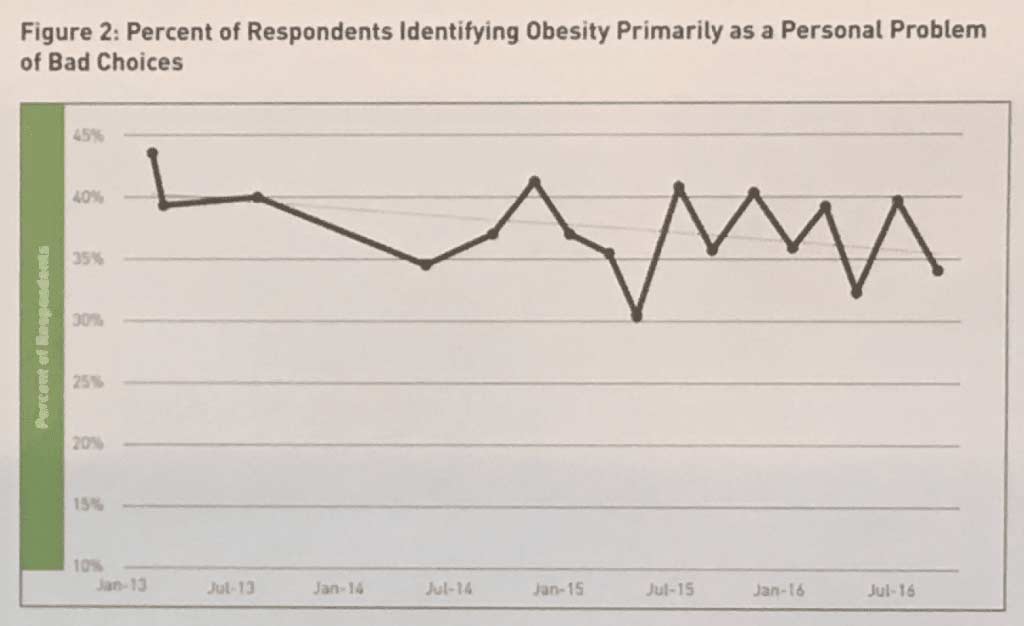
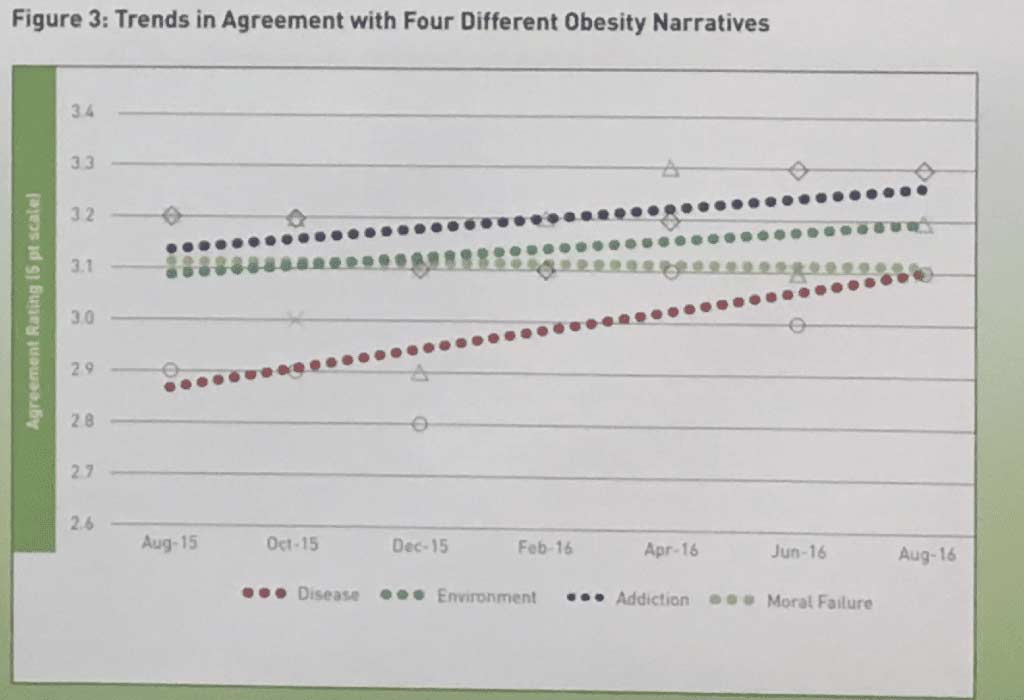
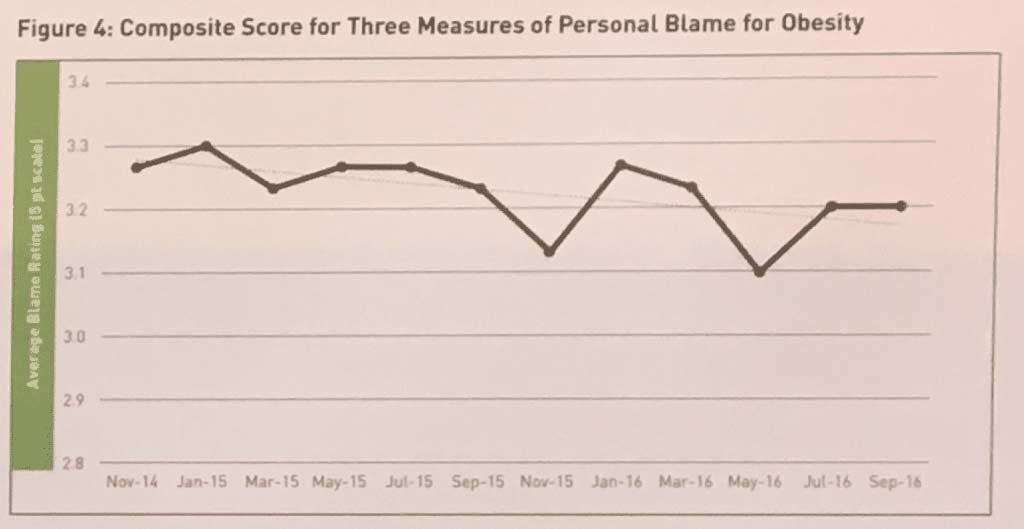
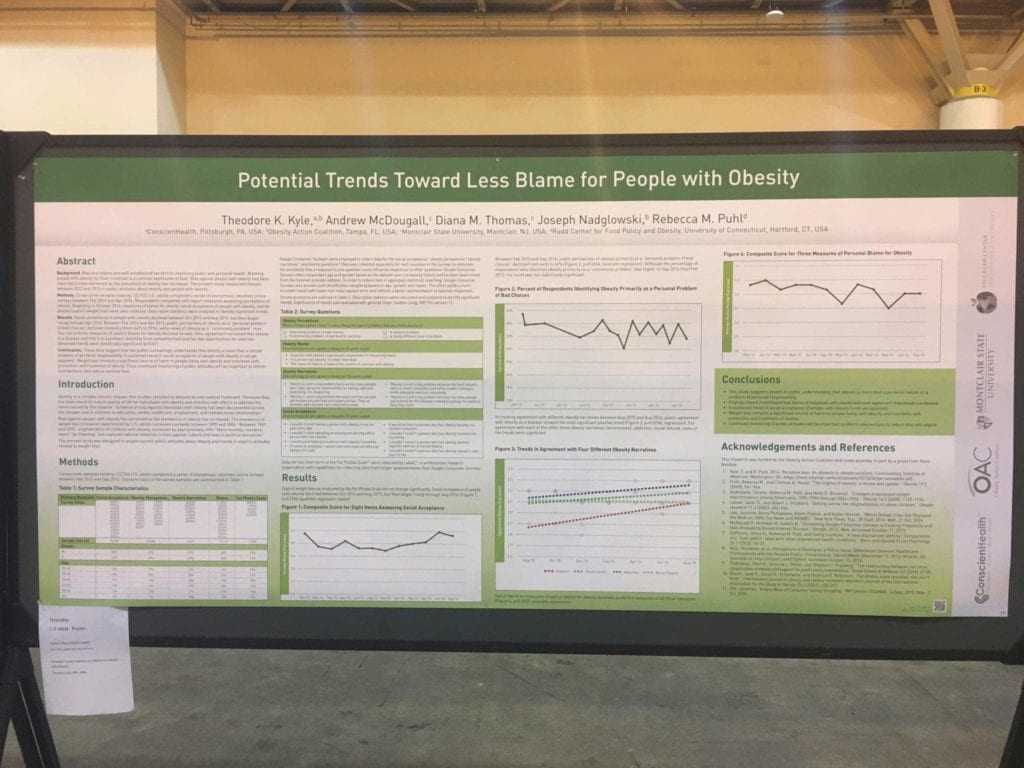
Society has long ignored the scientific causes of obesity and formed their perceptions based on personal attitudes. There are a number of factors that have been identified that contribute to the epidemic of obesity. Unfortunately, there continues to be a public perception of obesity being a “personality” disorder. Quite frequently patients are told “…just eat right and exercise, and everything will be fine.” We all know that is not the case. One of the poster presentations during the 2016 Obesity Week was on the subject of causes and perception of obesity. This topic is always an important talking point at these meetings and there seems to be some changes in viewpoint of the general population.

This was a large study conducted over a long time frame with a relatively decent population size.
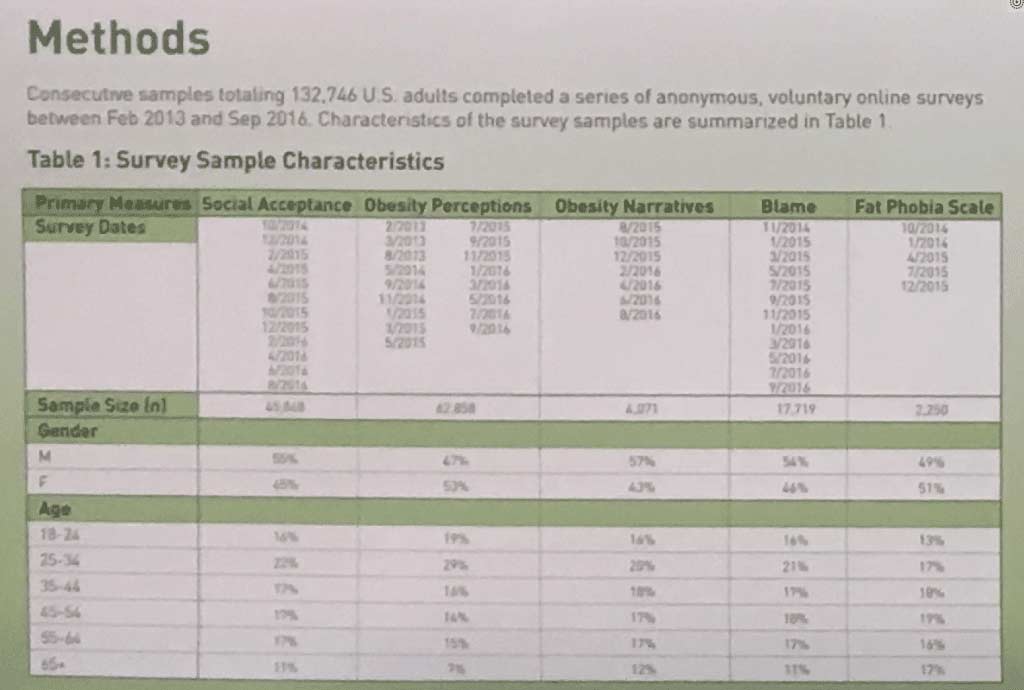
The study showed a slow but steady improvement in the perception by the general population in recognizing the multifactorial nature of obesity with less personal blame on the patient. The pace of change in perception has been positive, however, there is a still large gap for improvement. There is hope for the future of a correlation of causes and perceptions of obesity.
Summary
We, as a healthcare providers and society, are making improvements in educating, awareness, and perception of obesity but we still have work to do. In this changing healthcare environment, we can not let these gains in perception slip back to old patterns and biases. We need to maintain our diligence, education and our forward thinking to continue the positive and factual perception of obesity.
Waiting on Pregnancy after Bariatric Surgery
October 27, 2016 11:47 am

Following Bariatric Surgery women should wait to conceive until they are at least 2 yrs post surgery, their weight has been stable for several months and their laboratory studies of vitamin, minerals and electrolytes levels are normal. After weight has stabilized and blood work is normalized pregnancy after Bariatric Surgery can be achieved in a health manner for both mother and infant if monitoring is provided in relation to the surgery. We have discusses previously the importance of these issues in the following blogs here.
The following article by Lisa Rapaport re-emphasises this:
(Reuters Health) – Babies born less than two years after their mothers have weight loss surgery may face a higher risk of serious complications than infants delivered after more time has passed, a U.S. study suggests.
Because obesity is linked to fertility issues, undergoing so-called bariatric surgery to shed excess weight can make it easier for some women to get pregnant. But when these women do conceive, they are more likely to have premature or small infants that require intensive care than women in the general population. The remainder of the article can be found here.