Tag: BPD
Internal Hernia And Bowel Obstruction
August 21, 2015 7:49 pm
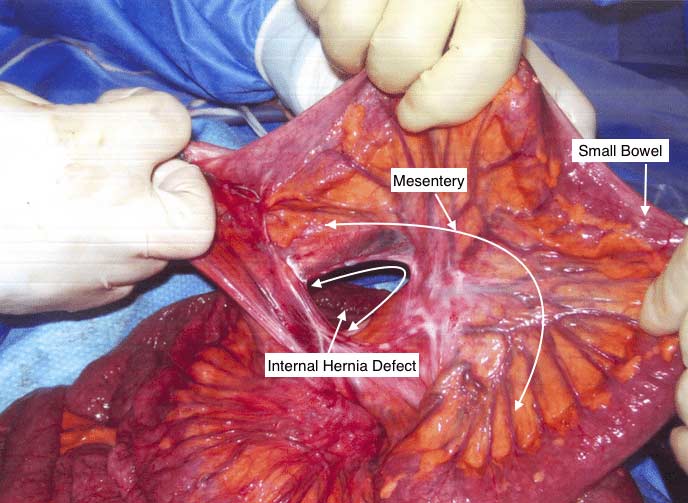
Whenever there is a bowel resection with anastomosis made there will be a defect in the mesentery (the tissue that holds the blood supply and the nerves etc going to and from the bowel) that needs to be closed. In this particular case, the stitches that were used to close the defect were intact and yet the tissue had separated from it. The result is an internal hernia. This can cause bowel obstruction, where by a loop of the bowel can go through the defect and kink the bowel causing the blockage. In some cases, the internal hernia may reduce itself with intermittent symptoms of the bowel obstruction and in other cases it may require immediate emergent surgery. A CAT scan with oral and IV contrast is needed after Duodenal Switch to visualize the alimentary and bioliopancreatic limbs.
Symptoms may include but are not limited to:
- nausea
- vomiting
- abdominal bloating
- abdominal tenderness
- cramping abdominal pain
- diarrhea, constipation
- feeling of inability to completely empty bowels
- fever
- severe abdominal pain.
Alcohol and Weight Loss Surgery Webinar May 20, 2015
July 27, 2015 7:27 am
Informed Surgical Consent
July 18, 2015 9:39 pm
Surgical informed consent is the document that summarizes the discussion that has been carried out between the treating physician and the patient. It also outlines the expectations as well as the potential complications of the treatment being proposed.
An informed consent should mean that the patient is absolutely clear as to the procedure agreed upon and that is reflected on the consent. No abbreviations are allowed on the consent forms. Clearly, there are instances when a physician or surgeon providing service may have to deviate from the proposed plan and agreed upon procedure on the consent because of unexpected findings in the operating room.
Any patient undergoing surgery should be acutely aware of the terminology and the language used. With regards to weight loss surgical procedures, RNY and GB is not acceptable because they are both abbreviations.
Duodenal Switch is a distinct well described procedure with its unique identifiable code (43845 for open procedure) that is recognized by hospitals, insurance companies and the surgical societies.
Duodenal Switch operation is not SADI, SIPS nor a loop Duodenal switch. Any attempt to interchanges these terms or operations is inaccurate the say the least.
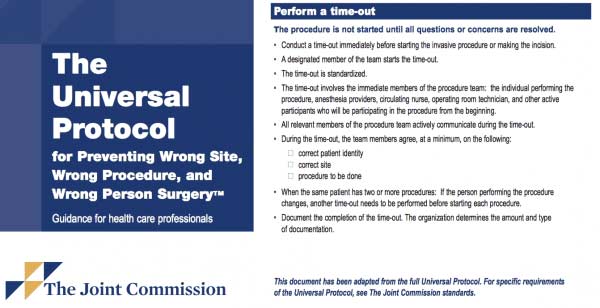
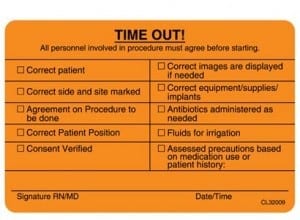
A surgical informed consent is signed by the patient ( or the guardian) and the treating physician. This document however is reviewed and confirmed by all those involved in the patient’s care delivered in the hospital. The consent is reviewed by the admission staff when taking the patient for surgery, preoperative nursing and administrative staff, operating room circulating nurse as well as the anesthesia staff. One step most patients may not be aware is initiated after the general anesthesia is induced. The operating room staff, anesthesia staff and the operating physician all go through a set of checklist known as “Time out”.
“Time out” involves confirming the patient’s identification as well as the proposed procedure as the patient had discussed with the staff and confirming the consent.
It is imperative that a patient have complete understanding of their surgical options available to them and critical that they have full knowledge of the type of surgical procedure that has been consented to and performed.
Iron Deficiency & Anemia July 15, 2015 Webinar Recording
July 16, 2015 1:52 pm
Vena Cava Filter
July 06, 2015 7:09 am
Example of a Vena Cava Filter Video:
Neuromuscular Disease After Weight Loss Surgery
June 08, 2015 11:30 am
Weight loss surgical procedures may result in varying degrees of nutritional deficiencies. Some of these nutritional deficiencies may cause neuromuscular disease if left untreated, these include vitamins, minerals, and protein. The long-term effect of these deficiencies may presents as neuromuscular conditions including, weakness, numbness, confusion and all others if not-diagnosed and untreated. It is important to note that all weight loss surgical procedures require lifetime vitamin, mineral supplements and protein monitoring and possible supplements.
The table below outlines some of the specific neurological and neuromuscular disease complications following bariatric surgery. The most common deficiencies seen with the duodenal switch operation are fat soluble vitamin deficiencies. These include, Vitamin A, D, E and K. Duodenal Switch patients need oral supplements of Dry “Water Miscible” type of Vitamin A, D, E, and K based on their laboratory studies and needs.
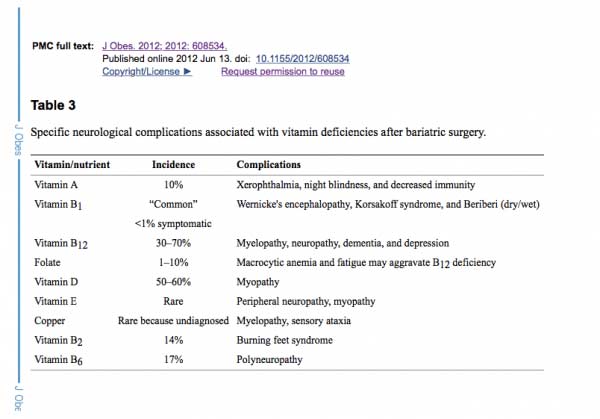
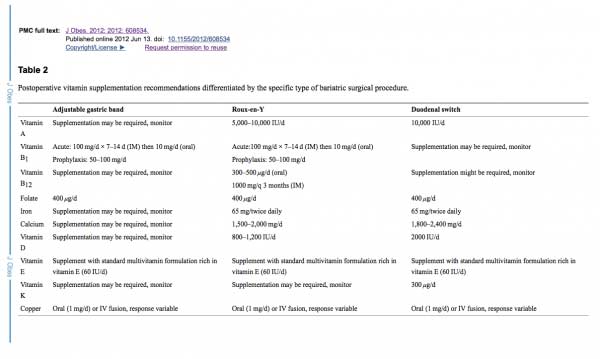
The neurological deficiencies are manifested much more frequently with the Gastric Bypass than the duodenal switch operation. The most common nutritional deficients are that of B1, B12, Folate deficiencies that are common in Gastric Bypass. A list of possible neurologic deficiencies and there associated symptoms were summarized by Becker (2012). Another article with Nutritional Neuropathies.
Nutritional deficiencies are seen in a number of illnesses including weight loss surgery patients.
Sunshine, Water, Rest, Air, Exercise and Diet
May 23, 2014 4:10 pm


Sunshine, Water, Rest, Air, Exercise and Diet
Of course this is over simplified, but we can’t forget the importance of the basics in our general well being. Weight loss surgery and especially Duodenal Switch have distinctive supplement requirements that need to be individualized based on your individual needs.
Sunshine is essential to life. It provides the light that wakes us and helps to regulate wake/sleep cycles and provides us with a feeling of well being. Sunlight is not only the basis of all living things but crucial in boosting the bodies Vitamin D supply. Most Vitamin D deficiencies in the general public are caused by lack of sun exposure. It is important to note that our bodies can not accomplish Vitamin D metabolism if we are wearing sunscreen. Without adequate Vitamin D stores bones will not form properly, muscle strength is impaired and osteoporosis. Vitamin D 1,25(OH) accumulates in cell nuclei of the intestine, where it enhances calcium and phosphorus absorption, controlling the flow of calcium into and out of bones to regulate bone-calcium metabolism. However, after weight loss surgery this mechanism can be impaired. Addition supplementation of Vitamin D is usually required based on laboratory studies following weight loss surgery. Duodenal Switch patients should take a dry “water miscible” type of Vitamin D3 daily.
Water comprises 50-60% of our adult bodies. Water is essential in cell life. It aids in transporting vitamins, nutrients and minerals to our cells. Chemical and Metabolic reactions rely on water to remove waste products including toxins that the organs’ cells reject and removes them through urine and feces. Our body temperature is regulated by sweating and the evaporation of water on the skin. Also, effectively Lubricating our joints and acting as a shock absorber for our brain, eyes, and spinal cord. Decreased stomach size, after weight loss surgery, limits the amount of water a person can drink at one time. It is imperative that patients ingest enough waters and fluids after surgery. We like to see our patients consume a minimum of 64 ounces of fluids a day, more on warmer days.
Rest is something we can all use more of. Lack of sleep can cause a whole host of health issues ranging from altered levels of hormones involved in metabolism, appetite regulation, stress response to cardiovascular health, insulin resistance, immune function and most importantly post-operatively tissue repair, muscle growth and protein synthesis. It’s easy to take rest for granted but do not underestimate the power of sleep.
Air is an obvious essential of life. It is important in about every function of our cells. After surgery it is important to lung health and tissue repair. Be aware of the type of air you are breathing. Pollution and contaminants in the air can impair lung function. After surgery your breathing and breathing exercises will prevent complications such as pneumonia and atelectasis. Long term air contaminants can cause asthma and long term lung health. In addition, post surgical patients will need to use their incentive spirometers to combat lung complications.
Exercise’s health benefits can not be denied. Exercise combat health conditions and disease such as stroke, metabolic syndrome, diabetes and cardiovascular disease. It also improves emotional outlook and mood. Physical activity stimulates the brain to release chemicals that involve increasing memory function. Exercise helps maintain healthy weight, improves energy, promotes better sleep, lowers stress and anxiety. Needless, to say after surgery exercise is extremely important for all the above reasons but also to ward off complications such as pulmonary embolism and deep vein thrombosis.
Diet is last but definitely not least. Balance along with moderation and eating whole unprocessed foods are best ways to ensure your health. We derive most our building blocks for cell growth from the nutrients we consume. The quality of the food we put into our bodies is important in lowering health risks such as cardiovascular disease, cancer, and weight control. Protein is crucial in muscle growth, hemoglobin, cell structure and enzymes formation. It is extremely important after weight loss surgery to remain diligent about protein intake throughout your lifetime.
It is interesting to see how all these elements are so intertwined in their synergy to maintain health. Most are easily found or done in nature. When engaging in one of these elements, many of the others are needed or benefited by the doing the first. Exercise requires that you stay hydrated, deep breath, possibly out in the sunlight and therefore you will rest better. Always follow your surgeon’s orders and recommendations based on your individual health status and laboratory studies.
Vitamin D And A -Dry (Water soluble) Formulary
August 24, 2013 7:57 pm
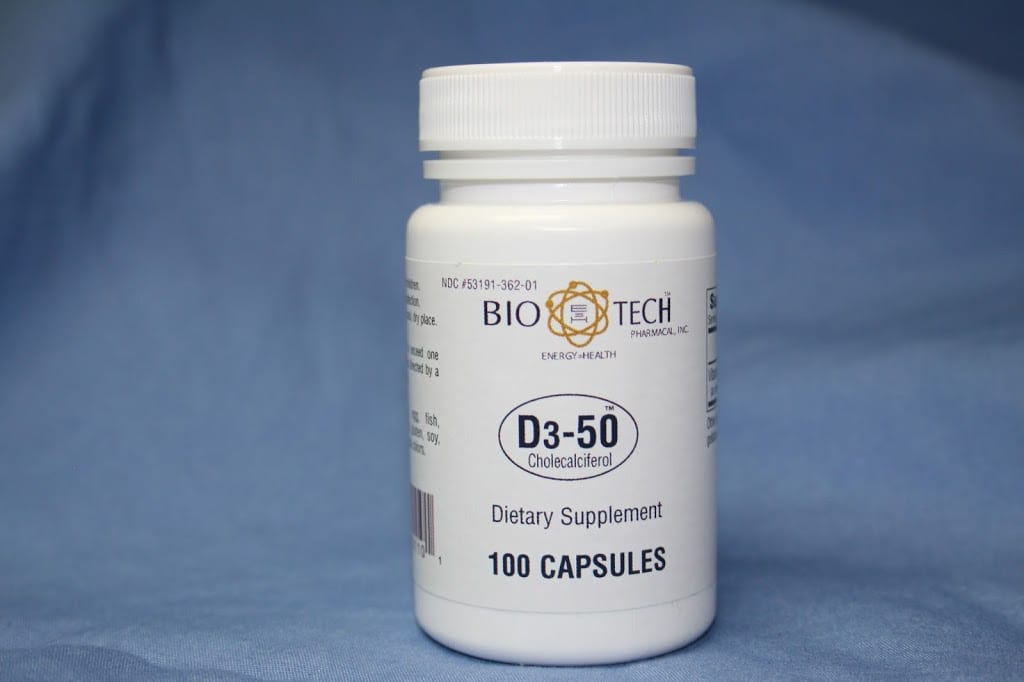
Vitamin A and D are fat soluble vitamins. This means that in order for them to be absorbed by the GI track, them need to be absorbed by fat globules (chylomicrons). These are then taken up by the lymphatics of the GI track and taken to the blood stream. With the anatomical changes of the Duodenal Switch, the fat absorption capacity is significantly reduced. This results in excellent weight loss. It also results in much diminished absorption of the Fat soluble vitamins A, D, E and K. It is essential to use Dry Water Soluble forms of Vitamins A, D, E, and K. Bio-Tech is a brand that is formulated in this manner.
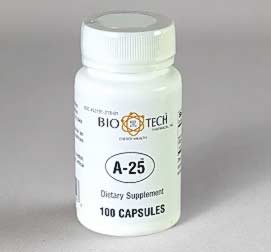
The Biotech D3-50 has 50,000IU of Vitamin D.
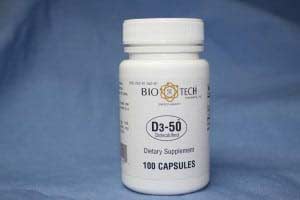
We recommend specific dosages of dry (water soluble) Vitamin A and D. These are not available at most pharmacies. In fact when our recommendations are presented at most pharmacies they are incorrectly dispensed with the fat soluble variety with is worth less becasue it is not absorbed by the duodenal switch patients. It is also important to not that this type of vitamin should not be taken with any dietary fat. Fat can inhibit the absorption of this type of vitamin. When ordering online, please make sure that the “Dry” or “Water Soluble” formulary is ordered.