
Tag: gastric bypass
Weight Gain after Gastric Bypass
January 04, 2017 9:12 am
Weight loss surgical procedures have different long term results and some procedures have more dramatic weight loss than others. Some procedures also result in much more sustained and long term weight loss. Unfortunately, what may be not obvious is that the patient has very little control over the outcome of the surgery in most cases. IT is very easy to blame the patient for weight regain after weight loss surgery. However, it is important to remind ourselves that the long term data reporting outcomes of the surgical procedures in most cases, includes all patient population. All these studies include the most compliant and not so compliant patients. Comparison chart of outcomes of weight loss surgical procedures.

A larger percentage of gastric bypass patients will require revision for weight regain, or other problems. There is no evidence that the size of the pouch or the anastomosis between the pouch and the small bowel changes the weight regain outcomes. Yet, quite frequently I will see patient who have had gastric bypass revision for weight regain, by reducing the size of the pouch or the anastomosis. Here are some publications that support the notion that other than extreme dilation, the size of the pouch and the size anastomosis does not predict the outcome of the surgery. There is some correlation with the site of the pouch, anatsmosis and weight loss, but there is no correlation between the size of the pooch, the opening and the failure rate. This means that patient with smaller pouch do not have better long term outcome that the ones with larger pouch, only that the patient with smaller pouch or anatsmaosis will loose more weight.
“Influence of pouch and stoma size on weight loss after gastric bypass”
Weight regain after RNY Gastric Bypass may also be caused by a Gastro-gastric fistula, which is a new connection between the pouch and the remnant stomach. Here is further information on Weight Loss Surgery Revisions.
When considering a primary weight loss surgical procedure, be informed. Investigate all your options and consider the long term outcomes. This may mean investigating different weight loss surgical procedures on your own.
Weight Loss Surgery Effects On Iron Absorption
June 06, 2016 9:40 am
Anemia is a condition in which a person doesn’t have enough healthy red blood cells. Red blood cells (RBCs) function in carrying oxygen to the tissues and they are produced in the bone marrow. Iron deficiency anemia, the most common form of anemia, develops when the body is unable to produce sufficient hemoglobin because of an iron deficiency. To read more about iron deficiency anemia, please refer to our previous blog post here.
Iron is an essential mineral that is a critical component of hemoglobin. Hemoglobin (Hg) is a four protein molecule that carries oxygen from the lung
s to the tissues. It is also important in maintaining RBC shape for proper blood flow. Each of the four globulin chains in Hemoglobin contain an iron compound called a heme. An iron atom is fixed within the heme group to give the red blood color and transport oxygen and carbon dioxide. If the body does not have enough iron, the bone marrow will not produce enough Hemoglobin which results in unhealthy RBCs.
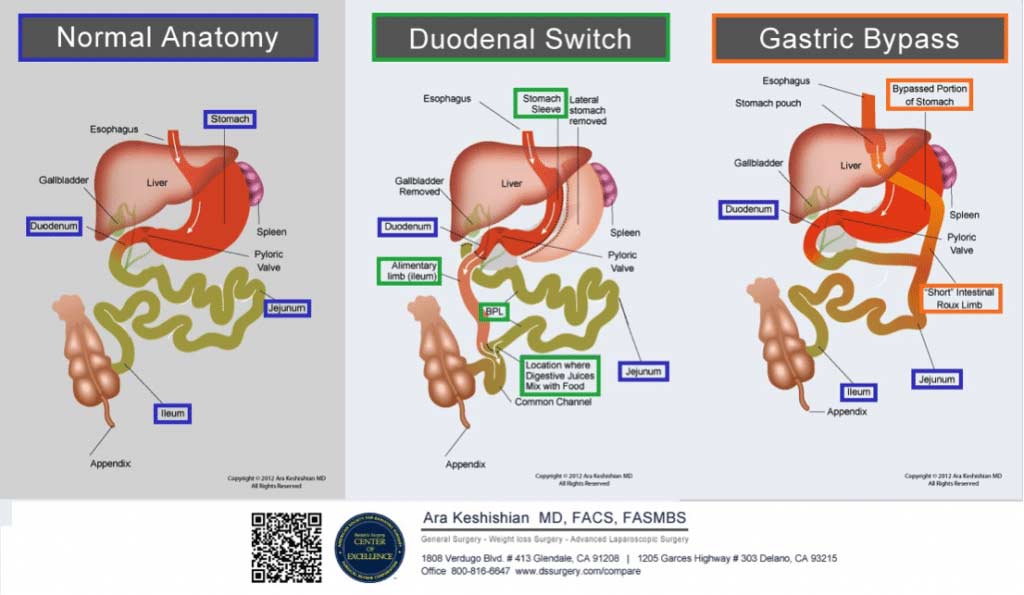
Iron is exposed to acids in the stomach, which alters the form into a configuration that allows absorption. The Duodenum of the small intestines is the main site of iron absorption. The ileum, found at the end of the small intestinal tract, is the site of secondary absorption. Once absorbed, each plasma protein transferrin transports two atoms of iron to the liver, spleen, and bone marrow (2).
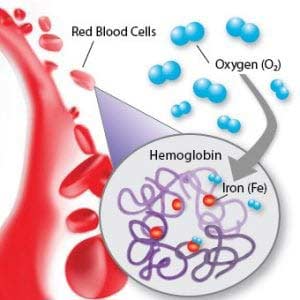
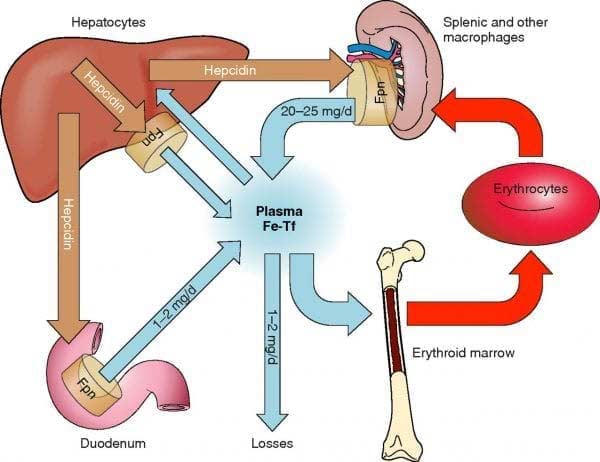
Anemia is common among patients who have undergone surgical weight loss procedures. Some weight loss procedures change the anatomy of the small intestinal tract result in malabsorption due to the restriction of food and nutrient intake. In Roux-en-Y gastric bypass (RYGB), the stomach and duodenum are completely bypassed thereby increasing the risk of iron deficiency. In the Duodenal Switch a small portion of post pyloric Duodenum is left intact to aid in iron absorption, however this may not be adequate for every individual. By redirecting the small intestinal tract in Duodenal Switch, only a small segment of the ileum is able to absorb the necessary nutrients. In both procedures however, blood tests find that patients can become iron deficient (1,3) and require oral iron supplementation or intravenous iron infusions if oral supplementation is inadequate to maintain iron levels.
Inadequate iron levels can be treated by taking iron salt supplements, especially along with vitamin C pills that help the body absorb more iron. Other types of supplements are Heme and chelated oral iron that are well tolerated without gastrointestinal upset of iron salts. For some WLS patients there may not be enough capacity for iron absorption via the GI tract and those patients may need Intravenous Iron infusions periodically. Dietary iron sources are important as a surgical weight loss patient as they are usually also high in protein (blog). Ie: Poultry, red meat, pork, seafood, eggs, beans, and green leafy vegetables are also a good source of iron.
In addition to supplementation of iron, it is important to identify any contributing factors to blood loss or decreased iron absorption such as gastrointestinal bleeding, heavy menses, surgery, pregnancy, medications or combination of supplements, infection or dietary issues. Identifying, advanced planning and/or correcting any contributing factors may reduce the iron demand for WLS patients.
In summary, iron absorption will be affected by altering the anatomy of the small intestinal tract. Although it takes a great deal of time to restore iron levels, reversing deficiency will help avoid symptoms and maintain proper blood, brain, and heart health.
Colored Coded Diagrams of where nutrients, vitamins and minerals are absorbed:
Please note this article and these diagrams are Member Exclusive Only. They are available for use by our patients ONLY. Please review your terms of use of our Member Exclusive Area.
Diagram of normal anatomy absorption here [Download not found].
Diagram of DS anatomy absorption here [Download not found].
Diagram of RNY anatomy absorption here [Download not found]
Written by: Mariam Michelle Gyulnazaryan & Dr. Ara Keshishian
References
- Fincannon J. Iron deficiency after gastric bypass surgery. University of Rochester Medical Center. 2016.
- Forth W, Rummer W. Iron absorption. Physiological Revies. 1973; 53(3) 724-792.
- Sawaya RA, Jaffe J, Friedenberg L, Fridenberg FK. Vitamin, mineral, and drug absorption following bariatric surgery. Curr Drug Metab. 2012; 13(9) 1345-1355.
- Von Drygalski A, Andris DA. Anemia after bariatric surgery: more than just iron deficiency. Nutr Clin Pract. 2009; 24(2) 217-226.
2015 ASMBS Summary
November 11, 2015 7:31 am
The 2015 ASMBS meeting was held November 2-6, 2015. It was combined with TOS (The Obesity Society) and had more than 5,600 attendees from all over the world in every aspect of obesity treatment. There were some interesting additions and deletions from this meeting compared to the past.
The one sentence that comes to my mind is “I told you so”.
One important addition was a DS course for Surgeons and Allied Health. This was very exciting, except the content and questions seemed to gravitate to SADI/SIPS/Loop rather than DS. Dr. Cottam was one of the moderators of the course. It seems that they have found the value in preserving the pyloric valve. It was clear that the discussion was driven by the need to come legitimize the single anastomosis procedures at this early stage with almost no data to prove long term outcome. With many of the Vertical Sleeve Gastrectomies having re-gain and the they are looking for a surgery that the “masses” can perform. This was actually the term used by one of the presenters, implying that the duodenal switch needed to be simplified so that all surgeons, those who have pushed all other procedures can not offer Duodenal Switch to their patients with less than desirable outcome. Several surgeons also voiced their concern and dissatisfaction with the issues and complication of the RNY and want an alternative. There was much discussion regarding SADI/SIPS/Loop being investigational and that it shouldn’t be as it is a Sleeve Gastrectomy with a Billroth II. Dr. Roslin and Dr. Cottam discussed their SIPS nomenclature saying they wanted to stay away from something that had Ileostomy, suggesting bowel issues, or the word “SAD”i due to negative connotations. The point to be made is that the SADI and SIPS and the loop are all the same. I have also noticed other surgeons using SADS (Single Anastomosis Duodenal Switch). There is a great deal of industry behind these procedures and many surgeons being trained in courses funded by industry. One surgeon stood up and informed the entire course that they need to be clear with their patients about the surgery they are performing, as he had been in Bariatric chat rooms and there is upset within the community about SADI/SIPS/Loop being toted as “the same or similar to Duodenal Switch”.
There was also presenter who said “We are doing something new about every five years.” No, “we” are not. Some of us have stood by the surgery and techniques with the best long term outcomes and not gone with every “new” thing out there. The process of Duodenal Switch may have changes, open Vs. Lap, drains, location of incisions, post operative care and stay, but the tested procedure with the best outcome has been the duodenal switch operation and not the shortcut versions. Although, those of us that are standing by long term results seems to be in the minority. Why do I stand by Duodenal Switch? Because it works, when done correctly by making the length of the bowel proportional to the patient total bowel length, and height, and not just cookie cutter length for all patients, with the right follow-up, patient education, vitamin and mineral regime and eating habits.
A new addition was the Gastric Balloon, which in the research presented had a 60-70% re-gain rate and a no more than 10-15% weight loss one year only. This data represents more than 70% weight regain when the balloon is taken out. The Gastric Balloons can be left in between 4-6 months depending on the brand or type of balloon. The Gastric Balloon is not new to the Bariatrics and was first introduced in 1985. After 20 years and 3,608 patients the results were and average of 17.6% excess weight loss. It seems that we are re-gurgiating old procedures. There are many new medications that were front and center in this meeting.
The Adjustable Gastric Bands were missing from the exhibit hall this year. It is my hope and feeling from the other attendees that we may be seeing the era of the Adjustable Gastric Band being placed in patients come to an end. Although there are some still holding out that there are some patients that can do well with the Band.
Attending the 2015 ASMBS meeting this year, as it has every year, only reemphasized the importance of avoiding what has become the norm of chasing a simple solution that is fashionable and easy now. We stay convinced that the duodenal switch operation with the common channel and the alimentary length measured as a percentage of the total length is by far the best procedure with the proven track record. The patient should avoid the temptation of settling for an unproven procedure or device, because if history holds true, there will be a need for revision surgeries in the future.
Staying on Track and Surviving Halloween
October 27, 2015 6:07 am

Halloween is the start of temptations during the holiday season and surviving Halloween is possible. It’s a time of high carbohydrate treats that can turn into a nasty trick of regain or slowed weight loss. Halloween is a fun holiday that you can participate in with some foresight and planning. Sugar and simple carbohydrates are easily absorbed and can decrease weight loss or regain. The following are some helpful tips to keep you on track.
- Stay steady with high protein, hydration, vitamins and minerals. Protein and hydration will keep you full and help curb the carb cravings.
- Make you own high protein treats. There are so many great recipes out there.
- If you give out candy don’t buy candy that you like. In fact, do the opposite and buy candy you dislike.
- Don’t give out candy at all. Instead opt to do a non-candy type item, stickers, pencils, rings, trinkets, easers, small coloring books, or other small items.
- Keep a list of your goals posted in a visible place.
- Make a picture collage of your goals, achievements you want, and non-scale victories you’d like to achieve posted in a high visibility location.
Stay strong and avoid the pitfalls of temptation.
Surgical Outcomes
October 02, 2015 10:10 am
In a recent review article published in the September 2015- Volume 42:10 of General Surgery News, the surgical outcomes of different procedures were summarized. There were evaluated based on a number of measures, including re-operation rates. So interesting to note that the re-operation rate of the duodenal switch is the lowest of all surgical procedures.
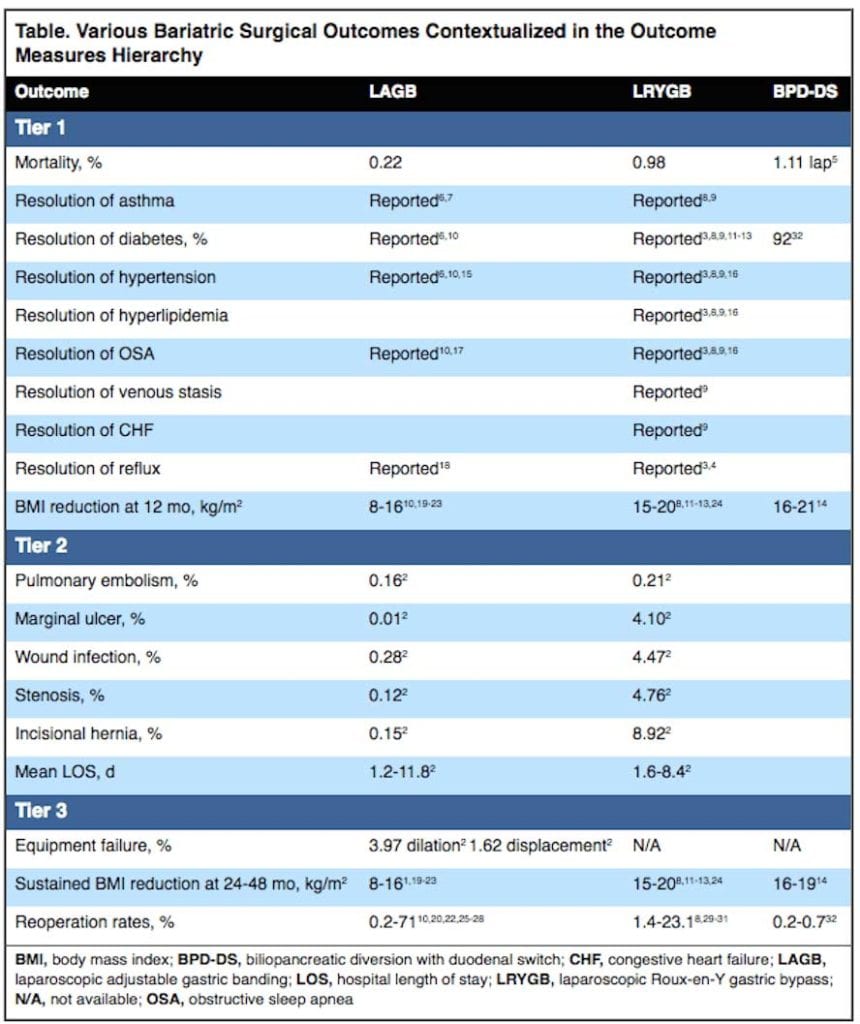
Adjustable gastric banding had the highest reported re-operation rate. To be noted is the longer the time lapse the higher the need for re-operation for the band.
Original article here.
Internal Hernia And Bowel Obstruction
August 21, 2015 7:49 pm
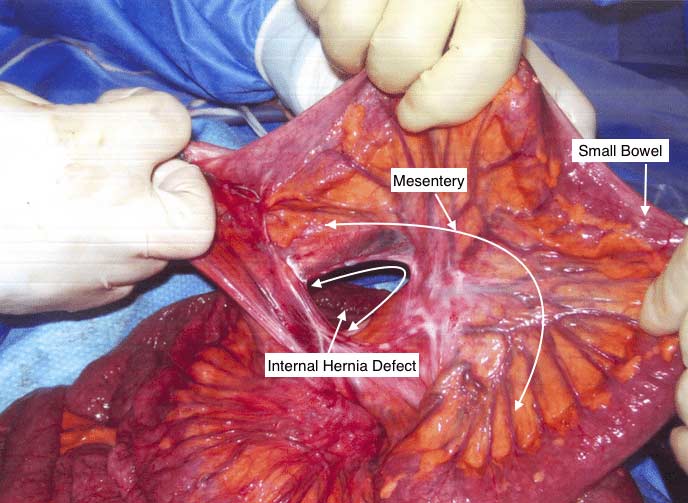
Whenever there is a bowel resection with anastomosis made there will be a defect in the mesentery (the tissue that holds the blood supply and the nerves etc going to and from the bowel) that needs to be closed. In this particular case, the stitches that were used to close the defect were intact and yet the tissue had separated from it. The result is an internal hernia. This can cause bowel obstruction, where by a loop of the bowel can go through the defect and kink the bowel causing the blockage. In some cases, the internal hernia may reduce itself with intermittent symptoms of the bowel obstruction and in other cases it may require immediate emergent surgery. A CAT scan with oral and IV contrast is needed after Duodenal Switch to visualize the alimentary and bioliopancreatic limbs.
Symptoms may include but are not limited to:
- nausea
- vomiting
- abdominal bloating
- abdominal tenderness
- cramping abdominal pain
- diarrhea, constipation
- feeling of inability to completely empty bowels
- fever
- severe abdominal pain.
Alcohol and Weight Loss Surgery Webinar May 20, 2015
July 27, 2015 7:27 am
Iron Deficiency & Anemia July 15, 2015 Webinar Recording
July 16, 2015 1:52 pm
Shared Success- Whitney a RNY to DS revision
June 09, 2015 7:43 am
I was always the big girl, pleasingly plump, chubby. I was put on my first diet at age 12. By the time I graduated High School I had yo-yoed up to 200 pounds at College graduation I was up to close to 300 pounds. In 2002 I had RNY Gastric Bypass surgery. I was 39 and weighted 280 pounds. I was told it was the Gold Standard. The Band was still considered experimental and the Duodenal Switch was never mentioned as an option. In fact, I did not even know it existed.
I lost 110 pounds and was considered a WLS success. I did not have any food restrictions and I felt great and maintained the loss for five years. Then I started to slowly gain weight. In little under 5 years I gained 70 pounds. I developed Dumping Syndrome and my Stoma was stretched out. I joined Weight Watchers and lost 5 pounds in a year. Nothing worked. I developed ulcers, osteoarthritis, planter fasciitis and could barley walk a couple of blocks without pain. I was miserable. I felt like a failure
In 2012 started to research surgical options. A local surgeon wanted to “revamp” my already tiny stomach, put a band around my stoma, and “clean up my intestines”. I asked about revision to Duodenal Switch and was strongly discouraged, but I wasn’t going to settle because that was what he was only capable of doing.


I wanted the best. I wanted long term success. So I travelled from Northern CA to Southern CA for a consult with Dr. Keshishian. The only choice for me was to revise to DS. In December of 2012, I had revision surgery of my RNY to Duodenal Switch. One week after surgery, still in the hospital, I went in for a second surgery. Dr. Keshishian found a small leak. I spent an additional two weeks in the hospital. My experience was not the norm and a leak can happen in any surgery involving the stomach.
Recovery was slow but steady. The first 2 weeks Dr. Keshishian called me every three days to make sure I was doing ok. I still have his cell number in my phone. I was back to work 14 weeks after surgery. I could have gone back sooner.
Over the past year I have lost 115 pounds. My BMI is 20, and I feel great. I have my life back. All pre-op issues have been resolved and I am going to start training for a 5K.
My advice for anyone contemplating Weight Loss Surgery is to research all of the options available. Do not settle for a substandard surgery. Get a second or even third opinion. It’s not a decision to be taken lightly. It’s your life fight for it!
Whitney B.
Neuromuscular Disease After Weight Loss Surgery
June 08, 2015 11:30 am
Weight loss surgical procedures may result in varying degrees of nutritional deficiencies. Some of these nutritional deficiencies may cause neuromuscular disease if left untreated, these include vitamins, minerals, and protein. The long-term effect of these deficiencies may presents as neuromuscular conditions including, weakness, numbness, confusion and all others if not-diagnosed and untreated. It is important to note that all weight loss surgical procedures require lifetime vitamin, mineral supplements and protein monitoring and possible supplements.
The table below outlines some of the specific neurological and neuromuscular disease complications following bariatric surgery. The most common deficiencies seen with the duodenal switch operation are fat soluble vitamin deficiencies. These include, Vitamin A, D, E and K. Duodenal Switch patients need oral supplements of Dry “Water Miscible” type of Vitamin A, D, E, and K based on their laboratory studies and needs.
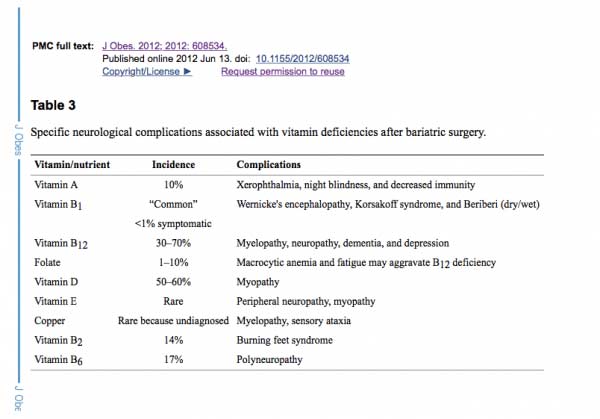
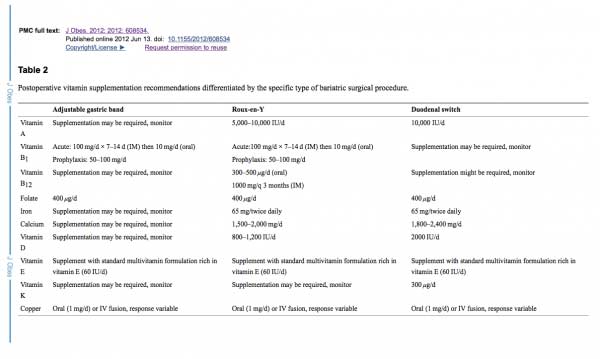
The neurological deficiencies are manifested much more frequently with the Gastric Bypass than the duodenal switch operation. The most common nutritional deficients are that of B1, B12, Folate deficiencies that are common in Gastric Bypass. A list of possible neurologic deficiencies and there associated symptoms were summarized by Becker (2012). Another article with Nutritional Neuropathies.
Nutritional deficiencies are seen in a number of illnesses including weight loss surgery patients.