
Tag: Duodenal Switch
Iron Deficiency Anemia
May 13, 2014 8:38 am
Iron Deficiency Anemia is a common problem in society and weight loss surgical patients. Anemia is usually easily treatable, although requires adequate surveillance and diligence in treatment. Microcytic/hypochromic (small pale colored red blood cells) erythrocytes indicate some inadequacy of structural matter, usually, not enough hemoglobin. This is most commonly due to an inadequate dietary supply of iron. In fact, iron deficiency anemia is the most common of all anemias.
Determining the cause of the iron deficiency is of pivotal importance in selecting appropriate therapy. Microcytic/hypochromic erythrocytes may also be seen in anemia of chronic disease, in thalassemia and in the sideroblastic anemias.
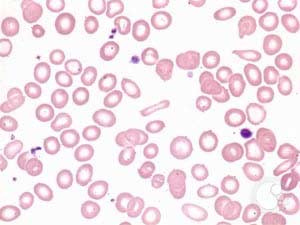
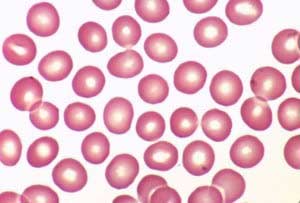
Symptoms of iron deficiency include:
- Being tired and feeling weak
- Getting frequent infections
- Feeling cold all the time
- Having swelling in the tongue
- Struggling to keep up at school or work
- Restless legs syndrome
- In children, having delayed mental development
- Feeling tired and weak
- Joint pain
- Abdominal pain
Possible Causes other than the above:
Blood loss is the most common cause of iron deficiency. Menstruation is the most likely reason in women ages 15 to 45 years. Iron deficiency anemia in adult men and postmenopausal women is most likely due to chronic gastrointestinal blood loss. Such losses are usually secondary to ulcerating lesions [peptic ulcer disease, mucosal trauma (hiatal hernias), drug ingestion (aspirin, nonsteroidal anti-inflammatory drugs, steroids, potassium), parasitic infections, inflammatory bowel disease and malignancy.
Undergoing several surgeries within a short time frame is also a source of blood loss. Frequently Duodenal Switch (DS) patients become anemic after their panniculectomy, breast reductions, arm or thigh lifts because of the short interval between operations. Also pregnancy after weight loss surgery can increase chances of developing iron deficiency anemia. After consecutive surgeries it is important to monitor your Iron, Ferritin and Transferrin, Total Iron Binding Capacity levels. Any drop in Ferritin or Transferin levels should be discussed with your DS surgeon. It is important to keep your levels with in normal limits because it can be challenging to bring these levels back up.Lack of dietary iron may cause anemia in infancy when the daily need for iron is not met by milk alone. This is why iron supplements are given to infants. Iron deficiency is a major cause of anemia in pregnancy.
Malabsorption of iron is a rare cause of iron deficiency in the general public but is seen in patients who have had a partial gastrectomy, RNY Gastric Bypass, or who have a surgical malabsorption, such as Duodenal Switch. Iron is absorbed through the duodenum and the first part of the jejunum. After DS there is only a small section (approximately 5cm) of the duodenum that comes into contact with the iron source in the GI tract. The remainder of duodenum and the jejunum after DS is now the biliopancreatic limb. There is an area of small intestine in the ileum that also absorb iron to a lesser degree in normal anatomy.
The following are definitions of Iron Deficiency Anemia diagnostic laboratory studies:
Ferritin is in essence an “iron buffer”, taking up excess iron or releasing iron as needed. Small amounts of ferritin, derived from iron stores, circulate in the plasma.
The amount of serum ferritin closely reflects iron stores, thus providing a readily measured assessment of body iron stores.
Ferritin is in essence an “iron buffer”, taking up excess iron or releasing iron as needed. Small amounts of ferritin, derived from iron stores, circulate in the plasma. The amount of serum ferritin closely reflects iron stores, thus providing a readily measured assessment of body iron stores.
-
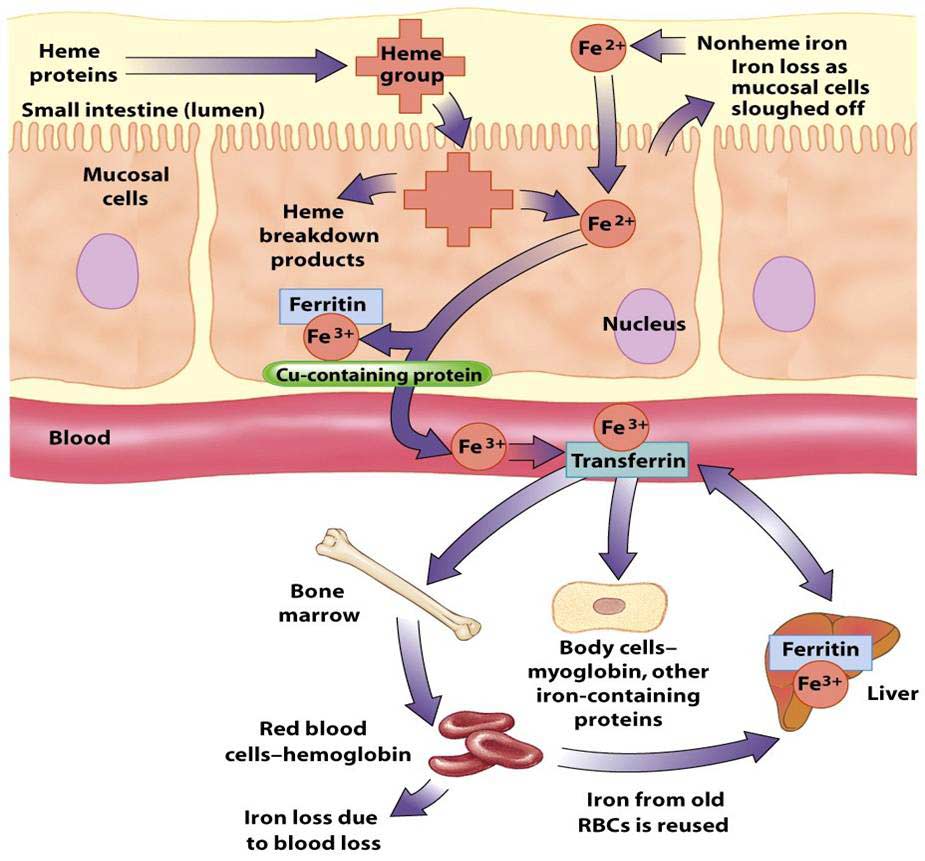
- Transferrin, the major iron transport protein, is synthesized by the liver and macrophages (type of blood cell). Each molecule of transferrin can bind two at- oms of iron. Usually about one-third (25 – 45%) of the total transferrin is bound to iron (referred to as % saturation)Transferrin carries iron via plasma to cells throughtout the body, though the most important site of delivery is to the mar- row erythroblast. Non-heme iron (mainly Fe +++(Iron) ) is stabilized by gastric HCl; bound to mucin and then transferred to a mucosal cell surface receptor.
Most heme iron is catabolized to Fe ++ (Iron) and tetrapyrrole in the mucosal cell. In the mucosal cell the iron is bound to mobilferrin, transported through the cell to the submucosal capillary network where the iron is oxidized to Fe+++, bound to transferrin and delivered via the blood to the marrow and other tissues. Note that some iron is stored or “trapped” as ferritin in the mucosal cell. This “trapped” iron plays only a minor role in regulation of iron intake/loss as it is readily overwhelmed by ingestion of inorganic iron.
Total Iron Binding Capacity approximates a measure of transferrin. Serum iron is a measure of Fe bound to transferrin. Normally 25 – 45% of transferrin is bound to iron, ie. The % saturation of transferrin. In inflammatory and malignant conditions transferrin is decreased possibly due to macrophage degradation. Iron is decreased due to decreased release of iron from macrophages into the plasma. Iron deficiency is best screened for with serum ferritin levels (serum ferritin levels correspond to marrow stores). A serum ferritin of 12-307 ng/ml is the normal range.
The definitive test for iron deficiency is a Prussian blue stained bone marrow. The upper image demonstrates an absence of iron in the bone marrow macro-phages of an individual with iron deficiency.
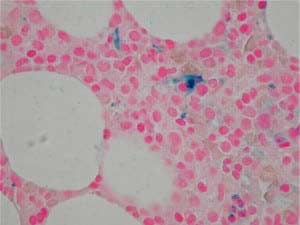
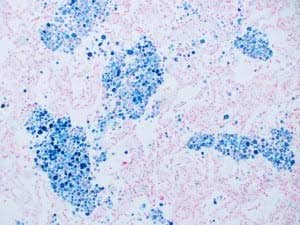
Compare the upper image with the lower image of a normal bone marrow stained with Prussian blue and demonstrating coarse granular storage iron in macrophages.
Normal Iron Ranges:
Normal results of iron testing may be different for men, women, and children. Iron and TIBC are measured in micrograms per deciliter (mcg/dL). Normal results for iron are:
- 65 to 175 mcg/dL for men
- 50 to 170 mcg/dL for women
- 50 to 120 mcg/dL for children
Normal results for TIBC are 250 to 450 mcg/dL for men and women.
The diagram below shows the normal uptake, storage and loss of iron within the cell. An excellent explanation of iron transport physiology can be found here: https://sickle.bwh.harvard.edu/iron_transport.html
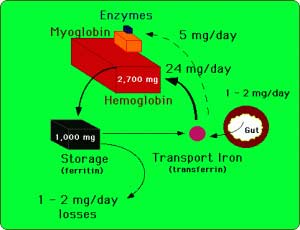
Iron is continually conserved and recycled for use in heme and non-heme enzymes. About 1 to 2 mg of iron are lost each day to sloughing of skin and mucosal cells of the gastrointestinal and genitouretal tracts. This obligate iron loss is balanced by iron absorption from the gastrointestinal tract. Only a small fraction of the 4 grams of body iron circulate as part of transferrin at any given time. Body iron is most prominently represented in hemoglobin and in ferritin.
Treatment:
There are different oral iron formulations available. I recommend heme iron instead of ferrous sulfate or ferrous fumarate. After 3 months of therapy it is necessary to repeat laboratory blood levels to determine the next course of action. Iron supplements along other medications should be stored away from children in “child proof” containers. Your pharmacist will be able to instruct you with the correct way of taking the iron supplements, and possible interference with other medications that you may be taking.
In severe anemia and/or iron deficiencies anemias resistant to oral iron supplementation, it may be necessary to have iron injections or infusions intravenously. If you have any questions please contact us either by email or phone.
In summary, iron deficiency anemia develops gradually. It also takes a great deal of time to build iron levels back up again. The importance of continued surveillance of laboratory studies is crucial after weight loss surgery. In addition, the treatment of iron deficiency anemia requires diligence in taking the iron supplement or reacting to the inability to absorb oral iron supplements by using iron infusions. Please contact our office if you have not had your yearly lab work or you may have your primary care physician order these studies.
Breaking news!
May 12, 2014 7:44 am
“Depo” Shot and Weight Gain
September 16, 2013 4:14 pm
Female patients having weight loss surgery should use two forms of Birth control for 18 months after weight loss surgery. Depo shots are suppose to prevent ovulation for a prolonged period of time. An attractive aspect of it is once a patient get the injection, there is not need to worry about birth control till the next injection is due.
There have been a number of studies that have associated Depo shots with weight gain.
Below are three citations from pubmed and the ACOG website.
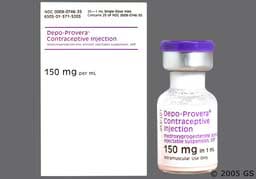
Weight Gain
Vitamin D And A -Dry (Water soluble) Formulary
August 24, 2013 7:57 pm
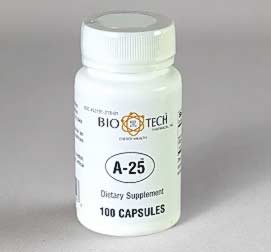
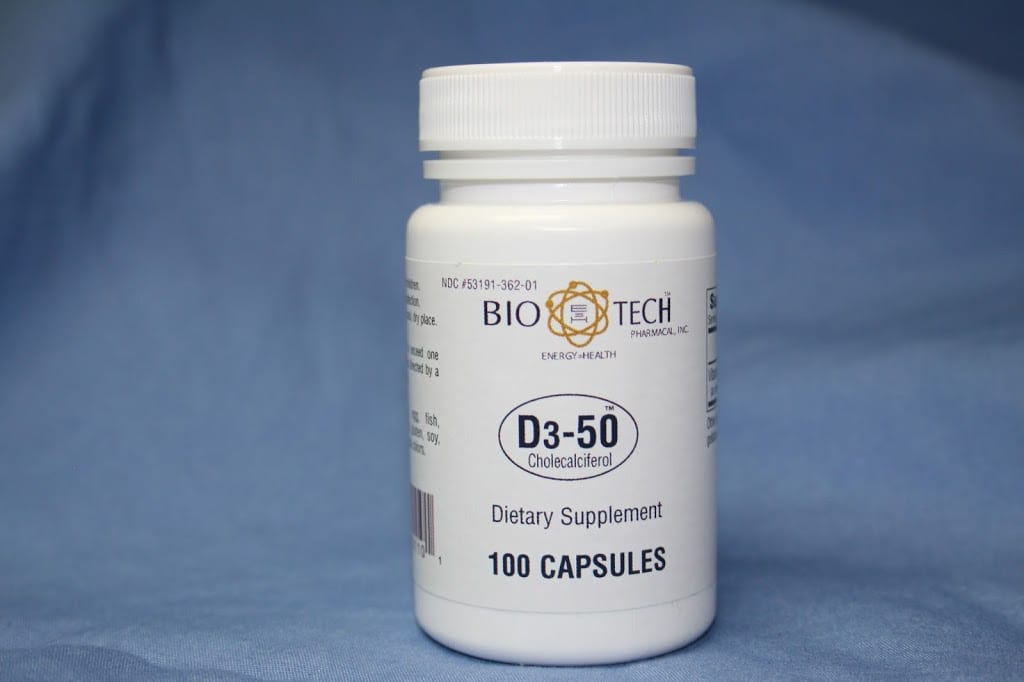
Vitamin A and D are fat soluble vitamins. This means that in order for them to be absorbed by the GI track, them need to be absorbed by fat globules (chylomicrons). These are then taken up by the lymphatics of the GI track and taken to the blood stream. With the anatomical changes of the Duodenal Switch, the fat absorption capacity is significantly reduced. This results in excellent weight loss. It also results in much diminished absorption of the Fat soluble vitamins A, D, E and K. It is essential to use Dry Water Soluble forms of Vitamins A, D, E, and K. Bio-Tech is a brand that is formulated in this manner.
The Biotech D3-50 has 50,000IU of Vitamin D.
We recommend specific dosages of dry (water soluble) Vitamin A and D. These are not available at most pharmacies. In fact when our recommendations are presented at most pharmacies they are incorrectly dispensed with the fat soluble variety with is worth less becasue it is not absorbed by the duodenal switch patients. It is also important to not that this type of vitamin should not be taken with any dietary fat. Fat can inhibit the absorption of this type of vitamin. When ordering online, please make sure that the “Dry” or “Water Soluble” formulary is ordered.
Bloating and Excessive Gas
April 17, 2012 7:36 am
The relationship between the consumption of food, bloating, and excessive gas is a subject that comes up frequently. In our practice, this is a complaint usually raised 3 or 4 years after receiving the duodenal switch operation. It appears that patients eventually disregard the recommendations made for a healthier diet of low carbohydrate, high protein, hydration, supplements, and then everything else.
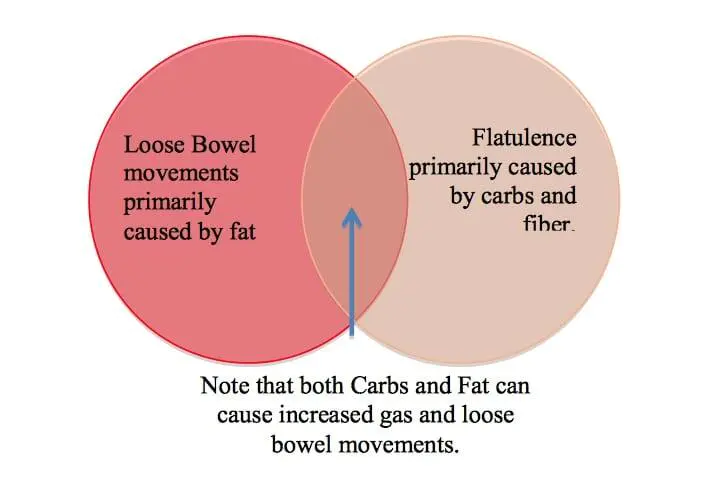
In general, carbohydrates, carbonated drinks, artificial sweeteners (such as Splenda®, sugar alcohols, etc.), vegetables, excessive amounts of food, and an intake of fat will cause significant gas and bloating. This is not to be taken out of context and assumed that one cannot consume any of these products. However a diet that has fruits and vegetables will cause significant gas and bloating. These can not be controlled by probiotics, antibiotics, or other products such as Beano.
Simple carbohydrates/sugars (sugar, candy, cakes, cookies, pies, regular soda pop, jelly, jam, syrup, ice cream, sherbet, and sorbet, etc.) are easily absorbed. Simple carbohydrates/sugars can increase diarrhea due to the Duodenal Switch allowing more undigested sugars/fuel for intestinal bacteria to feed upon, multiply and form gas. The end result can be gas, bloating, and diarrhea.
Complex carbohydrates have more structure than simple carbohydrates/sugar which are harder for the intestinal bacteria to break down and may cause less bloating, gas and diarrhea. Also, complex carbohydrates usually contain higher fiber content. The fiber in the colon will help to absorb water from the stool and can reduce diarrhea. However, this is not the case for all Duodenal Switch patients.
When a patient reports these problems, I recommend that the consumption of all carbonated drinks should be stopped. No patient should consume carbonated drink of any sort. Artificial sweeteners should also be avoided all together. A good alternative would be honey, maple syrup or Stevia. Minimize or reduce the carbohydrate intake.
It has been our experience in the majority of cases that excessive gas and bloating is a result of dietary indiscretion. In some patients, once the dietary sources have been ruled out, it should be further evaluated by a barium enema to rule out the diagnoses of a redundant colon.
The best approach would be to first go back to a high protein and low carbohydrate. This should allow a patient to rule out any dietary sources for the bloating and excessive gas. It is recommended to next be seen by your physician for a further workup.
To summarize, when a patient has excessive amount of gas, diarrhea and bloating, the first line of treatment is elimination of all of the possible causes. These include carbohydrates, fruits, vegetables, artificial sweeteners, carbonated drinks and milk products. I can not overemphasize the importance of this step prior to anything else such as antibiotics or probiotics.
November Newsletter – Living with Fat and My New Life & The Role of One’s Mood on Weight Gain and Overall
November 01, 2001 12:42 am
November Newsletter – Living with Fat and My New Life & The Role of One’s Mood on Weight Gain and Overall.