
Shared Success Story- Kylie
June 08, 2015 6:29 pm
I never knew how big and unhealthy I was until I decided I wanted a change. My experience with Dr. Keshishian and his staff was nothing less than amazing. He was very informative and made me feel comfortable and safe when undergoing the procedure. Not only did he operate on me, but also my brother, dad, and uncle as well. We are all so grateful for him and his knowledge as a surgeon. My mom had gastric bypass in 2005 by a different doctor and has numerous problems. We are all hopeful that eventually Dr. Keshishian will be able to help her also. Having my whole family’s support and understanding made the experience much easier for me. I am now happier and healthier than I’ve ever thought I’d be.
Before surgery, I weighed 250lbs, and my pant size was a 22. I now weigh 160lbs with a pant size of 8-10. I decided to have surgery because I wanted to be the confident girl who was trapped inside a 250-pound body to be able to shine. I wanted to be active and live a long and healthy life. I also wanted to start this lifestyle now so that when I have children one day, I can be a good example to them on how to be active. Most importantly, I wanted to be comfortable in my own skin. I wanted to feel beautiful. I was always “bigger.” I was a cheerleader from toddlerhood until high school and a swimmer for 12 years. I always stayed very active. Once I graduated high school, I moved out of state to attend cosmetology school and my active lifestyle completely stopped. I ate unhealthy and became very lazy. I wasn’t proud of the person I was becoming and struggled to change my bad habits. My brother had his surgery while I was in Idaho, and when I saw how great he was doing, I was inspired. I decided to fly home and meet these people and then it was my turn.
My Life has changed dramatically since I first met Dr. Keshishian. Working out and eating healthy have become habit. I ran in my first 5k, 10k, and half marathon. I continue to run every day in hopes of running in a full marathon. I LOVE to run, and have made it a way to relieve stress. Running has become good therapy for me. I love cooking and experimenting with foods I didn’t even know existed before I had surgery. It’s been 2 years, and I still haven’t bought or had a soda. I eventually gained what I call my “gym family.” I am there so often, that eventually, most of my friends were from the gym and people who have similar goals.


This surgery affects everyone differently. For me, it was a game I had to play with my mind. Being big, I loved the satisfaction of feeling full after a meal. I would order food and try to decide if it was enough to make me full. After surgery, I would forget that I couldn’t eat that much. I would still want to order the item with the most food. It was almost like the “Old Kylie” was still sitting in the back of my mind telling me what I would have ordered before my surgery. I had to learn to be tough, and ignore her. That was (and sometimes still is) one of the hardest things I’ve had to do. I would look in the mirror and still see a 250 pound girl. I had to have a mental talk with myself, and look at old photos. It was a temporary issue I had with myself. I’ve learned so much about who I am since the surgery, and am so happy with the woman I have become. Having this surgery has made me feel like I can conquer anything I put my mind to. I had no idea how mentally strong I was until I made the choice to have this procedure. This will always be one of the best decisions I’ve ever made for myself, and I’ll always be supportive of others who are thinking of choosing the weight-loss surgery. I owe Dr. Keshishian so much for giving me my life back. Thank you!
Neuromuscular Disease After Weight Loss Surgery
June 08, 2015 11:30 am
Weight loss surgical procedures may result in varying degrees of nutritional deficiencies. Some of these nutritional deficiencies may cause neuromuscular disease if left untreated, these include vitamins, minerals, and protein. The long-term effect of these deficiencies may presents as neuromuscular conditions including, weakness, numbness, confusion and all others if not-diagnosed and untreated. It is important to note that all weight loss surgical procedures require lifetime vitamin, mineral supplements and protein monitoring and possible supplements.
The table below outlines some of the specific neurological and neuromuscular disease complications following bariatric surgery. The most common deficiencies seen with the duodenal switch operation are fat soluble vitamin deficiencies. These include, Vitamin A, D, E and K. Duodenal Switch patients need oral supplements of Dry “Water Miscible” type of Vitamin A, D, E, and K based on their laboratory studies and needs.
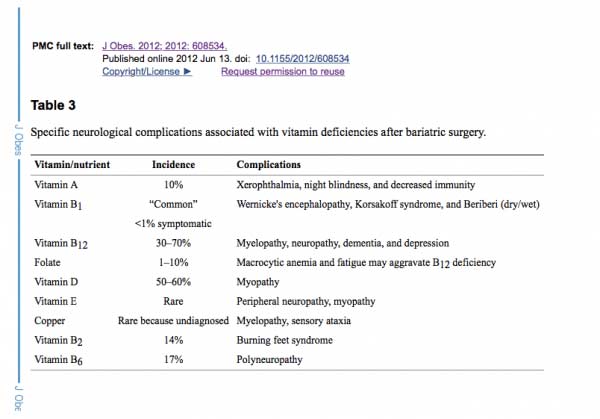
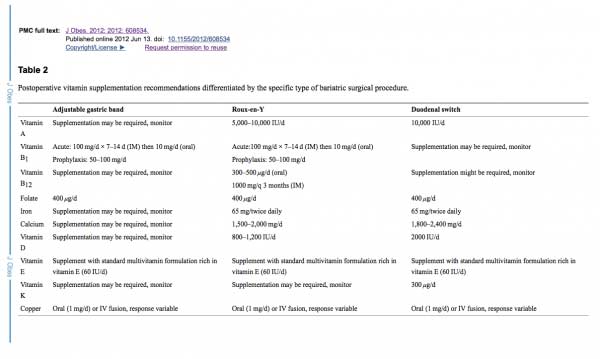
The neurological deficiencies are manifested much more frequently with the Gastric Bypass than the duodenal switch operation. The most common nutritional deficients are that of B1, B12, Folate deficiencies that are common in Gastric Bypass. A list of possible neurologic deficiencies and there associated symptoms were summarized by Becker (2012). Another article with Nutritional Neuropathies.
Nutritional deficiencies are seen in a number of illnesses including weight loss surgery patients.
Coping Skills after Bariatric Surgery
June 02, 2015 7:23 am
For many people, food can become a coping mechanism and a way to self sooth or comfort themselves. After weight loss surgery the ability to use food in this manner is disrupted due to the smaller portions and in some cases food intolerances. Developing alternative and healthy coping skills is an imperative step after weigh loss surgery.
Obesity is a multifactorial process that has many contributing aspects. Although, obesity is not entirely the result of poor eating behavior, and lack of exercise. After weight loss surgery, we should appreciate the importance of healthy dietary choices; being sure that volume and frequency is not driven by emotion or emotional eating.
The mental aspect of weight loss surgery should not be ignored. Developing healthy coping skills can be a large part of dealing with the changes that take place. Some people go through a mourning period for the loss of the foods that once gave them comfort, made them part of a group, or the feeling of their best friend. In some cases, there may be a need to seek the assistance of a mental health care provider to be able to work through some of the issues and feelings. Never hesitate or be afraid of contact a mental health care professional.
Learning and practicing effective coping/soothing techniques can be started prior to weight loss surgery. The following are some coping skills that can be effective for some to adopt into their daily lives.


1. Nature – Get out into the great outdoors and into the sunlight. The sounds and sights of nature have a way of energizing the body and calming the mind. Sunlight is excellent for increasing Vitamin D levels which can help elevate mood and general well being.
2. Exercise – The mental and physical effects of exercise are paramount after weight loss surgery. The natural chemical release from exercise is a calming effect and gives a sense of well-being. In addition, the physical aspects of increase weight loss and change in body contour have positive mental and emotional effects.
3. Music- There are many research articles regarding the positive effects on both metal and physical aspects of music. Music has a way of soothing or energizing the soul. Turn up loud or keep it soft. Sing along. Dance it out if you need to.
4. Journaling – We always suggest to people prior to weight loss surgery to start journaling. It can give you perspective when you look back at entries. We also suggest to journal body measurements, pictures, and weights so that you might look back at how far you’ve come from your starting point.
5. Mindfulness – Using all five sense to experience life and food. Take your time to take everything in and experience the full effect. Be present in all life experiences. Ask yourself: Am I enjoying this? Does this feel like what I need? Is this getting me to where I want to be? Is this healthy for me?
6. Support groups of peers- There is nothing like having a group of people who have been there or know exactly how you may be feeling to be able to talk, share or vent. There are so many support groups that can be taken advantage of in either face to face or cyber groups.
7. Treat yourself- Treat yourself and practice self-care by doing something that you find relaxing, gratifying or energizing. Massage, manicure, an outfit, shoes, an outing, or a class.
8. Distraction- Hobbies, new skills, reading, games, bubble bath, or anything that get you out of the same mental spot can help with calming and soothing.
9. Talking- There is great value in having a close friend or trusted therapist to be a sounding board and give you an opportunity to unload some of the challenges you’ve been carrying.
Changing habits and coping skills takes practice and patience. It is not something that is easily changed over night. Focus on small steps, goals and achievements. Give yourself time and credit for the accomplishments that you’ve made. Always look at how far you have come and the positive lifestyle changes you’ve made. There may be set backs but don’t beat yourself up about it, move on and continue to take steps toward your goal.
https://www.counselorlady.com
Stricture with Lap Band
May 31, 2015 6:44 am
One of the most common findings with patients seeking revision of the Lap band is the persistent and continuos nausea, vomiting and reflux, even though the band is emptied. The typical presentation is that of a patient who had an adjustable gastric band placed and adjusted. When the weight loss stops any attempt to adjust and tighten the band results in reflux, nausea and vomiting. Unfortunately, there is lack of recognition that even when the band is completely empty, and even if removed, then a patient can still have the symptoms present, if the scar capsule that forms between the band and the tissue is not removed.
It is critical that when a Lap band is removed that time is spent excising the capsule that is present to allow for the tissue beneath the band to return to its normal caliber.
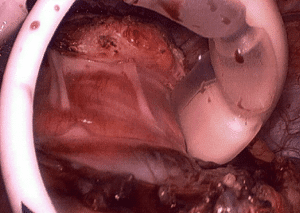
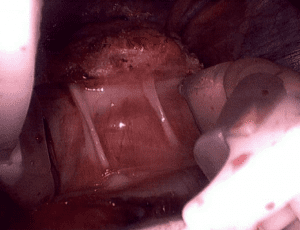
Note in these images how with the Lap band completely open the tissue underneath is “restricted” by the capsule that has formed under the band. In this case the capsule was also excised and removed along with the band.
Duodenal Switch and Fat in The Diet
May 21, 2015 12:35 pm
When I perform the duodenal switch operation, the common channel is a percentage of the total small bowel length and I also account for the patient’s metabolic rate. Two individuals with a BMI of 50, should not have the same common channel. If we compare two patients, one of them is a 20 years old male who is 6’2″ and the second patient is a 60 year old female who is 5’4″, we can see how this applies. These two patients have very different metabolic needs and requirements. When the Duodenal Switch is performed in this fashion, the common channel based on a percentage of total small bowel length and metabolic needs, the patients post op diet works best when it is a well balanced, protein based diet. The basic principals are : Hydration (water), Protein and Everything else, low carb, avoid artificial sweeteners, avoid carbonated drinks, have frequent smaller meals and avoid processed food. Listen to you body as to what it tolerates and what it doesn’t. This is what I recommend for my patients.
I am not aware of any scientific evidence that proves any benefit to excessive amounts of fat for DS patients who have had their length of the common and alimentary bowels based as a percentage of the total length.
My recommendation are to have a well balanced high protein diet. I do not recommend a low fat diet, except in the healing phase after surgery. However, there is no reason to consume excessive amounts of fat long term.
High fat diet is used to facilitate bowel movements for some patients who have constipation. It may be prudent to try and identify what may be causing the constipation and correct or eliminate them before one resorts to a very high fat diet as a “treatment” for constipation after Duodenal Switch. The possible causes for constipation after duodenal switch may be metabolic-organic (where some patients have infrequent bowel movements before DS, hypothyroidism), length of the common and the Alimentary channels and medications (pain meds, narcotics, antidepressants).
In addition, Medium Chain Fatty Acids do not require bile salts to be absorbed and are directly absorbed into the Portal Vein in the liver. Medium Chain Fatty Acids are not malabsorbed post Duodenal Switch. Medium Chain Fatty Acids included Caproic acid, Caprylic acid, Capric acid, and Lauric acid. Commonly found in varying amounts within coconut oil and palm oil. MCT supplement is made with Medium Chain Fatty Acids.
In summary, I recommend that Duodenal Switch patients who have had surgery with our practice have a high protein balanced diet. I do not recommend avoiding fat, or going on a low fat diet. I am not sure if there a reason to consume excessive amount of fat, which may in fact have unexpected metabolic and nutrient consequences.
Every patient, as their weight stabilizes, will find what works and what does not work for them. Some patients will tolerate a higher fat intake and other will not be able to tolerate higher fat intake.
Aetna and Blue Shield 6 month Diet Requirement Changes
May 15, 2015 3:16 pm
- Member’s participation in a physician-supervised nutrition and exercise program must be documented in the medical record by an attending physician who supervised the member’s participation. The nutrition and exercise program may be administered as part of the surgical preparative regimen, and participation in the nutrition and exercise program may be supervised by the surgeon who will perform the surgery or by some other physician. Records must document compliance with the program; the member must not have a net gain in weight during the program. Note: A physician’s summary letter is not sufficient documentation. Documentation should include medical records of physician’s contemporaneous assessment of patient’s progress throughout the course of the nutrition and exercise program. For members who participate in a physician-administered nutrition and exercise program (e.g., MediFast, OptiFast), program records documenting the member’s participation and progress may substitute for physician medical records; and
- Nutrition and exercise program must be supervised and monitored by a physician working in cooperation with dieticians and/or nutritionists, with a substantial face-to-face component (must not be entirely remote); and
- Nutrition and exercise program(s) must be for a cumulative total of 6 months (180 days) or longer in duration and occur within 2 years prior to surgery, with participation in one program of at least 3 consecutive months. (Precertification may be made prior to completion of nutrition and exercise program as long as a cumulative of 6 months participation in nutrition and exercise program(s) will be completed prior to the date of surgery.)
Rebanding- A Bad Idea In My Opinion
May 12, 2015 3:42 pm
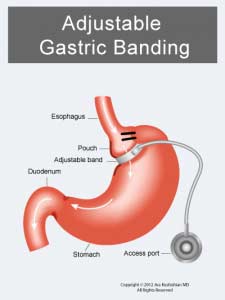
There is a wide discrepancy of outcomes for patients who have decided to have weight loss surgery and are experiencing different weight loss, regain and complications primary related to their choice of the procedure. In our practice we see quite a few revisions cases on weekly basis. More recently there have been a few “Rebanding” patients seeking revision to the Duodenal Switch.
The typical scenario is of a patient who had an adjustable gastric band placed, and after the initial weight loss (mostly because of the persistent nausea and vomiting) the weight stabilized. The weight loss was never close to a healthy weight and in most cases their co-morbidities did not resolve but now have added complications of reflux and abdominal pain developed. These patients were then recommended to have the band repositioned to resolve a slipped band causing the above complications.
The scientific evidence for rebranding is not justifiable. I think there continues to be an element of denial that the adjustable gastric banding procedures do not work for the vast majority of the people. In fact, AGB in the long term will result in some complications that may not be revisable. The scientific literature shows that there is no benefit to rebranding when it comes to weight loss.
In my opinion when a patient encounters problem with the adjustable gastric band, Duodenal Switch operation represent the best option because it has the best long term outcome of all weight loss surgical procedures.

Duodenal Switch is a Safe Operation for Patients who have Failed Other Bariatric Operations
May 07, 2015 7:06 am
Obesity Surgery, 14, 1187-1192
Duodenal Switch is a Safe Operation for Patients who have Failed other Bariatric Operations
Ara Keshishian, MD, FACS; Karin Zahriya, MD, FACS; Teny Hartoonian, MD; Chris Ayagian, MD
Department of Surgery, Delano Regional Medical Center, Delano, CA, USA
Background: The incidence of morbid obesity and its surgical treatment have been increasing over the last few years. With this increase, there has been a rise in the number of patients who have had less than desirable outcome after bariatric operations. We perform the duodenal switch (DS) in patients for whom other weight loss surgical procedures have failed, because of inadequate weight loss, weight regain or significant complications, such as solid intolerance or dumping syndrome.
Method: From November 1999 to March 2004, 46 revisional surgeries were performed at our institution. The data was prospectively collected and reviewed, based on a number of parameters. Operative details, perioperative morbidity, and results are reported.
Results: 46 patients had their original bariatric surgical operation revised to DS. This resulted in complete resolution of their presenting complaints. The %EWL was 69% at the time of publication, with a mean lapsed time of 30 months.We had no mortality. Anastomotic leak occurred in 4 patients, 2 in our first
8 patients. We also noted that the majority of the patients were not aware of all the surgical procedures available to them at the time of their original operation.
Conclusion: In patients in whom gastroplasty, gastric bypass or both have failed to provide adequate weight loss, or worse have resulted in complications, DS can be performed as a safe revisional operation. The revision of other failed bariatric operations to DS results in both weight loss and resolution of the complications.
Introduction
Since its inception in the 1960s, weight loss surgery has been the only option for morbidly obese patients who have been unable to lose and maintain adequate weight loss through conventional non-surgical methods. In 1991, the NIH released a consensus on gastrointestinal surgery for severe obesity[1],which sparked further interest in the surgical treatment of morbid obesity, leading to an increase in the number of bariatric operations. This increase and the occasional failure and complications after these surgical procedures have resulted in an increased need for revisional surgery.
Bariatric procedures can be classified into three groups: those that restrict food intake, those that limit absorption, and those that utilize some degree of both components. Restrictive operations create a tiny neogastric pouch and a restrictive gastric outlet to decrease food intake.
Vertical banded gastroplasty (VBG) partitions the stomach along the lesser curvature, creating a channel restricted by an externally placed band. The upper pouch is approximately 5 cm long with a diameter of 1.5 cm and accommodates a volume of 20-40 ml. Gastric banding is another restrictive procedure, extensively performed in Europe and Australia, and recently in the United States. The published data varies significantly, with some reports showing <50% loss of excess body weight 9 years following the procedure.[2]
Roux-en-Y gastric bypass (RYGBP) is primarily restrictive, but also limits absorption of calories and nutrients to a varying degree. This procedure involves division of the stomach to create a tiny proximal pouch with approximate volume 15 ml. This pouch is then anastomosed to a Roux-en-Y jejunal limb, bypassing the stomach, pylorus and duodenum, adding a limited malabsorptive component. Although the original descriptions of RYGBP defined the Roux-limb to be <100 cm, in almost all of the RYGBP revisions, we have measured the Roux-limbs to be >100 cm.
The biliopancreatic diversion with duodenal switch (DS) is a hybrid operation involving both components of weight loss surgery. In the DS, a lateral gastrectomy provides a restricted gastric volume of approximately 100 cc, while excess fat absorption is limited by shortening the functioning length of the intestine. This involves diversion of the biliopancreatic secretions by partitioning the bowel into two limbs – an alimentary channel, and the biliopancreatic (afferent) limb. These two limbs of small bowel are reconnected to form the common channel.[3][4] DS appears to be the most effective bariatric operation to date. It produces the most sustained weight loss, without the unwanted side effects present with other bariatric operations (i.e. dumping syndrome, marginal ulceration, and solid food intolerance).[5][6] This is accomplished without any increase in the perioperative morbidity and mortality rate.
Restrictive operations have had varying results in long-term weight loss and complications.[7] Van Gemert et al.[5] reported a 12% incidence of revision after RYGBP and a 56% incidence of revision after VBG.[8] The need for revision after gastric banding has also been reported.[2][9]
Revision of failed bariatric procedures has resulted in morbidity rates of 12-41%. The perioperative revision complication rate has been three times higher when compared to a primary procedure. Gagner reported a morbidity rate of 22%.[10]
Behrns et al.[11] studied the choice of procedure for revisional surgery. They reported that when the primary operation had been a VBG, the most effective second operation was the RYGBP. The question arises as to what revisional surgery should be performed for failed RYGBP. The majority have been revised to a distal RYGBP. [11][12][13][14] However, Fobi et al.[14] showed that this was accompanied by only moderate weight loss and a protein malnutrition rate of 23%. Owens[15] and Schwartz[16] advised against revision of an operation performed satisfactorily, to one of the same type, because it is unlikely to produce a significant benefit.
Between November 1999 and March 2004, we performed 614 primary DS operations with excellent weight loss and minimal (<2%) hypoalbuminemia. During the same period, we elected to perform the DS as our revision operation of choice on 47 referred patients, and the data on the latter are hereby presented.
Methods
From November 1999 to March 2004, 47 patients were referred to us for revision to a DS, a period when 614 primary DS operations were performed. The primary operation for the patients seeking revision had been VBG (16), RYGBP (26), and both (5). The five patients with both procedures had an initial VBG, later revised to a RYGBP and were now presenting for their second revision. All of our patients who underwent revisional surgery had either regained all (31) or some (>50% – 7) of their original weight loss, or had failed to lose sufficient weight (9). The other presenting complaints were: severe dumping syndrome (20); intolerance to solid foods (16); persistent nausea and vomiting (4); and severe gastroesophageal reflux disease (14) (Table 1).
In this series, all 19 patients who had severe dumping syndrome had also regained a significant amount of weight. This appears to contradict the notion that dumping syndrome is a beneficial sideeffect of RYGBP as a behavior modification tool.
All patients were assessed by the surgeon, and had psychological, nutritional and medical evaluations. Extensive preoperative education was carried out to
[table id=1 /]
ensure adequate informed consent, and to bolster postoperative compliance. The work-up before revisional surgery included: complete metabolic panel; mineral, vitamin and lipid profile; liver function tests; upper GI series, and upper endoscopy.
Surgical Technique
The revision of any previous bariatric operation to DS involves a thorough study of the patient’s existing anatomy. The work-up includes review of prior medical records whenever available, as well as a detailed examination of the patient, followed by an upper GI series and an endoscopy performed at our institution by the operating surgeon. The peritoneal cavity is entered through a midline laparotomy incision.
Revision from VBG to DS entails exposure of the greater curvature of the stomach by ligation of the short gastric vessels. The stomach is then accessed through a gastrotomy at the greater curvature. A linear stapler is then used to divide the band through the gastrotomy and the distal end of the vertical partitioned stomach. Lateral vertical subtotal gastrectomy is accomplished over a 39-Fr bougie. The gastrectomy resection line includes the previous VBG staple-line, to prevent ruminant gastric tissue with compromised blood supply.
Revision of the RYGBP to DS involves a significantly greater degree of planning. The earlier open Roux-en-Y procedures were more likely to have left behind a larger stomach pouch with an intact left gastric artery than those performed laparoscopically. The reason for this is that most of the pouches were based on the greater curvature (horizontal), and little dissection was performed involving the lesser curvature. With the laparoscopic RYGBP procedures, the gastrojejunostomy anastomosis has been performed on the lesser curvature, and the left gastric artery has been frequently transected. Without the short gastric arteries, the pouch relies on the esophageal branches for its blood supply. The Lap-RYGBP patients have smaller pouch sizes and are exposed not only to an increased risk of leaks, but also have the potential for occurrence of stricture as a result of the tenuous blood supply. This may explain the high incidence of gastro-jejunostomy strictures needing balloon dilatation after lap- RYGBP.
Revision of RYGBP to DS involves taking down the gastro-jejunostomy anastomosis without compromising the blood supply of the proximal gastric pouch. The greater curvature of the bypassed stomach is then mobilized by ligation of the short gastric vessels to the level of the splenic hilum. The gastric continuity is then reconstructed by linear or circular staple firing between proximal stomach pouch and the gastric fundus of the mobilized bypassed stomach through a gastrotomy opening on the greater curvature. The staple-line is then over-sewn by a 3- 0 Vicryl® in a running fashion. A lateral vertical subtotal gastrectomy is then performed over a 39-Fr bougie. This gastrectomy now includes both the previous gastric pouch and the bypassed stomach in continuity.
Small bowel continuity is restored by first taking down the Roux-limb, and reconnecting it in a sideto- side fashion at the previously placed biliopancreatic limb. The total length of the small bowel is measured on the anti-mesenteric side. The common channel and alimentary limbs are then based on the percentage of the total length of the bowel (8%-12% for common, and 35%-45% for the alimentary). All of the small bowel entero-enteric anastomoses, with the exception of the duodeno-ileostomy anastomosis, are done in a side-to-side fashion as previously described.[17]
The duodenal switch is then performed by first dividing the duodenum 5 cm distal to the pylorus. The alimentary tract is then pulled through a retrocolic plane to the right of the middle colic artery, and an end-to-side anastomosis is created between the end of the transected proximal duodenum and the anti-mesenteric side of the small bowel, with a linear stapler, reinforced with a 3-0 Vicryl® in a running fashion.
All patients also undergo liver biopsy, appendectomy and cholecystectomy at the time of the revision operation. A feeding jejunostomy tube is routinely inserted in the biliopancreatic limb distal to the ligament of Treitz, in all revisional operations.
Results
The mean age of the patients was 47.3 (33-64), 3.3 years older than the average age for primary DS. Average pre-revision body mass index (BMI) was 47.3 kg/m2 (range 24.5-73.7), and average pre-revision weight was 128.3 kg (range 76.0 to 214.3). This is comparable to averages of 50.6 kg/m2 and 143.4 kg respectively, for primary DS. The average time elapsed between the primary operation and revision was 11.8 years (range 2.7 to 23). The female to male ratio was 9:1 compared with 6:1 in our primary DS patients.
A questionnaire administered to all revision patients at the time of the initial presentation, revealed that 96.2% of patients had been unaware of other surgical weight-loss options at the time of their primary operation, even though at the time the other bariatric operations were available.
The findings on preoperative radiological and endoscopic evaluation are shown in Tables 2 and 3. [table id=2 /] [table id=3 /].
The average operative time for revisional patients was 3.5 hours (2.3-5.7), and the average length of stay was 4.8 days. For primary DS, this has been 1.7 hours and 3.2 days, respectively.
Peri-operative complications included leaks in four patients (8.5%), one wound infection (2.1%), and one hernia (2.1%). All four of our patients who had leaks had undergone a previous RYGBP. Two of the four patients had undergone both a VBG and a RYGBP, and DS was their second revision. Two leaks occurred in the first 8 patients, and the remaining 2 in the following 38 patients. Two of the leaks were at the site of gastro-gastrostomy anastomosis, and the other two were located at the site of the lateral gastrectomy, just proximal to the gastro-gastrostomy anastomosis. Two of the four patients with leaks required further surgical interventions to completely resolve their complications. The other two were treated with enteral feeding and NPO, with drainage by means of the closed suction drains placed at the time of the operation. There has been no protein malnutrition and no deaths. The leak-rate for our primary DS patients has been 0.9%
Following a mean elapsed time of 30 months since revision to DS, the average BMI has dropped from 48.9 to 29.2 kg/m2 and the %EWL has been 67%. Mean weight has fallen from 128 kg to 80 kg (P<0.0001). The presenting complications of the original surgery have resolved in 100% of patients who underwent revision to DS. The BMI has remained stable after revision of failed VBG and RYGBP at 2.4 years after the DS. The data is summarized in Table 4.[table id=5 /]
Discussion
As more patients undergo bariatric surgery for treatment of morbid obesity, an increase in the number of patients with the need for revision are encountered. In our experience, the most common indication for re-operative surgery was inadequate weight loss (15 out of 35 patients, 43%). This has been confirmed by others. The reason could be due to a technical failure (eg. anastomotic dilatation, staple-line disruption). In the majority of the patients, however, we found no clear technical explanation for the failure of the operation. In restrictive operations such as VBG, patients recognize the smaller capacity of their postoperative stomach, and frequently modify their diet to comprise mainly high-calorie liquids or foods such as ice-cream and milkshakes.[7] Intolerance to solid foods related to stricture or stenosis also makes patients resort to this type of diet. Gawdat[18] found that 61% of revised patients had had no abnormality found at the time of the revisional operation.
The average BMI of our patients at the time of their primary operation had been 51.8 kg/m2. Problematic weight loss in the super-obese has led to the proposition that some degree of malabsorption should be incorporated into bariatric operations in these patients.[19] We agree with this, and we recommend that the DS be the primary operation of choice for patients with super-obesity.
Revision from a primary restrictive operation to DS involves complete conversion of the previous operation to essentially normal anatomy before the DS operation is completed. This necessitates working on a gastric pouch or remnant with tenuous blood supply. Paying heed to this danger during the operation has allowed us to limit our complication rates to those of previously published data. It is evident from our experience that the rate of complications such as leaks is increased in revisional operations. Complication rates are higher after RYGBP revision, and 100% of our leaks occurred in patients with prior RYGBP.
Gastric bypass has been shown to have better weight loss than VBG, justifying previous revision of failed VBG. However, DS has been shown to have better overall and long-term weight loss than the RYGBP. Therefore, our revision patients should have better results than if they had been revised to another to RYGBP.
With regards to patients with failed RYGBP, the options promoted by others have been to revise to another RYGBP, or to add a malabsorptive component by lengthening the Roux-limb (i.e. distal gastric bypass). Neither option has been very successful. As reported by Fobi[14] and by Sugerman,[20] problems with protein malnutrition occasionally follow distal RYGBP. Others have opted to manage these patients with strict diets and anorectic drugs. These modalities failed before weight-loss surgery in these patients, and are unlikely to be beneficial at this stage. Our decision to convert failed RYGBP patients to DS has led to good weight loss results. Additionally, we have encountered no issues of protein malnutrition, partly because a larger stomach is left with DS compared to RYGBP.[21][22] The average size of the stomach remaining after primary DS or after DS for previously failed bariatric surgery is approximately 100 cc.
Conversion to DS resulted in weight loss in all patients, with an average weight loss per month of 5.4 kg (range 0.3-16.1). However, the increased risk of complications following the re-operation implores serious consideration of the primary reason for the revision. We believe that if the presenting complaint is exclusively that of weight gain or inappropriate weight loss, the increased risk does not warrant revision in patients whose preoperative BMI is lower than the guidelines set by the National Institutes of Health.1 However, in patients presenting with primary surgical complications, such as dumping syndrome, intolerance to solids or persistent nausea and vomiting, where the patient’s quality of life has deteriorated, DS is a highly successful procedure. Our data indicates that 100% of initial complaints were resolved following revision.
The other major consideration in revisional bariatric surgery is patient education. In this study, 96.2 % of the patients claimed that they were unaware of other weight-loss surgical options at the time of their primary operation. One could possibly question the validity of the informed consent at the time of the original operation. Our program incorporates an extensive preoperative education plan geared towards explaining the DS procedure in detail, clarifying the general risks of surgery, the resulting change in anatomy and the long-term follow- up requirements, including supplementation requisites to maintain vitamin, mineral and nutritional levels within normal limits. Patients undergoing DS as their primary operation are in addition required to attend group meetings for all other surgical procedures, in order to assure adequate informed consent. The surgeon has the duty to provide the patient with the information necessary for the patient to make an educated decision as to whether to consent to the recommended operation. For a patient to properly make that decision, all major surgical options, their advantages and disadvantages must be discussed. Patients who are fully aware of all their weight loss surgery options, will better select their primary operation, and will likely decrease their need for future revisional surgery. In our practice, we recommend that our patients not only attend group meetings but also seek a second opinion regarding other bariatric surgical procedures.
References:
[1. Gastrointestinal surgery for severe obesity. National Institutes of Health Consensus Development Conference Draft Statement. Obes Surg 1991; 1: 257-66]
[2. Martiknainen T, Pirinen E, Alhava E et al. Long-term results, late complications and quality of life in a series of adjustable gastric banding. Obes Surg 2004; 14: 648-54]
[3. Hess, DS, Hess DW. Biliopancreatic diversion with a duodenal switch. Obes Surg 1998; 8: 267-82]
[4. Marceau P, Hould FS, Simard S et al. Biliopancreatic diversion with duodenal switch. World J Surg 1998; 22: 947-54]
[5. Biron S, Hould FS, Lebel S et al. Twenty years of biliopancreatic diversion: what is the goal of surgery? Obes Surg 2004; 14: 160-4]
[6. Rabkin RA. The duodenal switch as an increasing and highly effective operation for morbid obesity. Obes Surg 2004; 14: 861-5]
[7. Arribas del Amo D, Martinez Díez M, Elía Guedea M et al. Vertical banded gastroplasty: is it durable operation for morbid obesity? Obes Surg 2004; 14: 536-8]
[8. van Gemert WG, van Wersch MM, Greve JWM et al. Revisional surgery after failed vertical banded gastroplasty: Restoration of vertical gastroplasty or conversion to gastric bypass. Obes Surg 1998; 8: 21-8]
[9. Chevalier JM, Zinzindohoué F, Douard R et al. Complications of laparoscopic adjustable gastric banding for morbid obesity: experience with 1,000 patients over 7 years. Obes Surg 2004; 14: 407-14]
[10. Gagner M, Gentileschi P, De Csepel J et al. Laparoscopic reoperative bariatric surgery: lessons learned to improve patients selection and results. Ann Surg 1993; 218: 646-53]
[11. -]
[12. Jones KB Jr. Revisional bariatric surgery – safe and effective. Obes Surg 2001; 11: 183-9]
[13. Benotti PN, Forse RA. Safety and long-term efficacy of revisional surgery in severe obesity. Am J Surg 1996; 172: 232-5]
[14. Fobi MAL, Lee H, Igwe D Jr et al. Revision of failed gastric bypass to distal Roux-en-Y gastric bypass: A review of 65 cases. Obes Surg 2001; 11: 190-5]
[15. Owen BM, Owen ML, Hill CW. Effect of revisional bariatric surgery on weight loss and frequency of complications. Obes Surg 1996; 6: 479-84]
[16. Schwartz RW, Strodel WE, Simpson WS. Gastric bypass revision: Lessons from 920 cases. Surgery 1988; 104: 806-12]
[17. Keshishiam A, Zahriya K. Stapled Roux-en-Y anastomosis: an illustrated technique. Obes Surg 2003; 13: 450-2]
[18. Gawdat K. Bariatric reoperations: are they preventable? Obes Surg 2000; 10: 525-9]
[19. Dolan K, Hatzifotis M, Newbury L et al. Comparison of laparoscopic adjustable gastric banding and biliopancreatic diversion in super-obesity. Obes Surg 2004; 14: 165-9]
[20. Sugerman HJ, Kellum JM, De Maria EJ. Conversion of proximal to distal gastric bypass for failed gastric bypass for superobesity. J Gastrointest Surg 1997; 1: 517-25]
[21. Yashkov YI, Oppel TA, Shishlo LA et al. Improvement of weight loss and metabolic effects of vertical banded gastroplasty by an added duodenal switch procedure. Obes Surg 2001; 11: 635-9]
[22. Rabkin RA, Rabkin JM, Metcalf B et al. Nutritional markers following duodenal switch for morbid obesity. Obes Surg 2004; 14: 84-91]
GERD, Nausea and Vomiting- Don’t ignore it!
April 28, 2015 11:30 am
Gastroesophageal Reflux Disease is a serious matter and should not be left untreated. It is know as heartburn or reflux and if you are experiencing more than twice a week you should be evaluated by a physician to investigate the cause. Listed below are some of the causes and end results of not treating GERD.
Esophagitis – An irritant that can be acid, bile, food and digestive enzymes coming back up the esophagus can cause irritation and swelling in the esophagus. If left untreated, it can damage the lining of the esophagus to the point of erosion and scarring. Bile Reflux may also be a cause of esophagitis and Duodenogastroesphogeal reflux (DGER). Bile Reflux information here.
Esophageal Stricture – Scar tissue can cause the lumen of the esophagus to become smaller and narrow. This stricture makes it difficult or painful to swallow foods. If a stricture is narrow enough food may become stuck and require intervention for removal and treatment. This can also put a person at risk for choking. The treatment includes ballon dilation with an endoscope and in cases where it recurs surgery may be required.
Esophageal Ulceration– If GERD is left untreated it can progress to actual ulcerations in the esophagus. Patients may cough up or vomit blood or see it in their stool as dark tarry or coffee ground type stool.
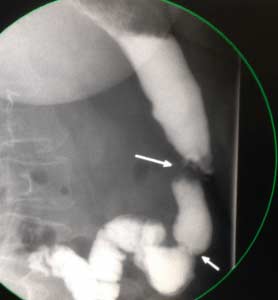
Gastric Stricture– After weight loss surgery such as sleeve gastrectomy, RNY Gastric Bypass, Duodenal Switch, SADI/Loop, Adjustable Gastric Banding, or other gastric surgeries a narrowing of the inner opening of the stomach can result from scar tissue forming. This will require a surgical procedure to rectify. The symptoms can be food intolerance, full feeling, nausea and/or vomiting. (See pictures below)
Hiatal Hernia– An anatomical weakening or enlargement of the opening of the diaphragm muscle where the esophagus meets the stomach. This defect can allow a portion of the stomach to slide or roll into the chest cavity. This then causes reflux of gastric juice and content. Hiatal Hernia’s can also form on weight loss surgical patients. There are several examples within this blog here.
Breathing Difficulties– The acid aspiration while sleeping can make asthma and other breathing difficulties worst and can cause coughing and other issues.
Dental Issues – The acid, food, digestive enzymes backing up into the esophagus and mouth can cause dental issues such as erosion and tooth decay. In regards to dental issues after weight loss surgery there are also other vitamin and mineral deficiencies that can cause oral health issues. Dental Issues after WLS here.
Lower Quality of Life– GERD can affect a person’s quality of life. If you are in discomfort from acid reflux or having food intolerance it can make life difficult. It can also alter food choices and impact nutrition.
Barrets Esophagus– Pre-cancerous changes in the bottom portion of the esophagus due to long term acid exposure from gastric reflux. Diagnosis requires and endoscopic procedure (EGD) and biopsy.
Esophageal Cancer– There is a significant rise in the western world in esophageal adenocarcinoma. The main risk factors are alcohol use, smoking, untreated GERD, and poor diet.
Reflux and difficulty with swallowing caused by stricture is not normal. These problems are quite frequently encountered as complication of Adjustable gastric banding, with slipped band or a band that is too tight and scarred in placed resulting is belt effect. This results in the esophagus not being able to empty and propel the food down. The end result is significant reflux, with difficulty swallowing, nausea, vomiting etc. Similar problems are seen with Gastric bypass where the anastomosis between the stomach pouch and the small bowel RNY limb is too narrow. In Gastric Sleeve and Duodenal Switch operations, is the sleeve is made too narrow, or misshaped (hour glass, funnel, cork screw) it will result in the patient having reflux and symptoms of stricture. One specific problem with the new operation of SADI is the concern for risk of bile reflux, similar to the BillRoth I procedure.
Gastric bypass patient with stricture at the gastro-jejunostomy before and after balloon dilation. Fig A
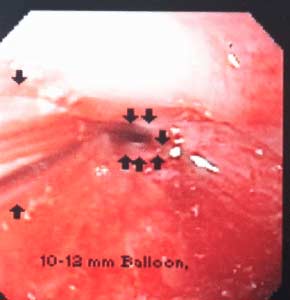
After balloon dilation. Fig B
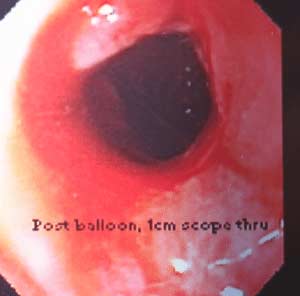
Fig. C : Lap band Patient with stricture where the band as removed at another facility and the scar tissue formed around the GE junction was not taken down. The patient had to be taken back to the operation room after his symptoms persisted even though the band had been removed 3 months prior.
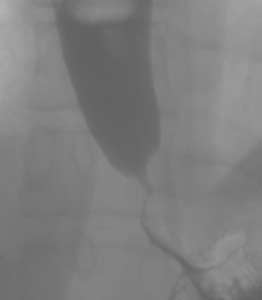
A corkscrew stomach of a Duodenal Switch done at another facility, with the patient presented with persistent reflux, nausea and vomiting for years after surgery. Fig. D
This is not an inclusive discussion of GERD and the treatment. Please see your healthcare providers if you are experiencing any symptoms pertaining to GERD or any other health care issue.
Adjustable Gastric Band Removal & Hiatal Hernia Repair
April 21, 2015 6:30 pm
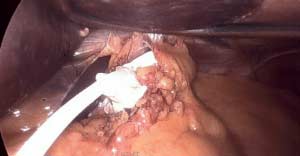
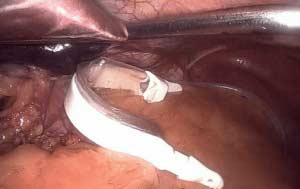
The band in place and after being taken down
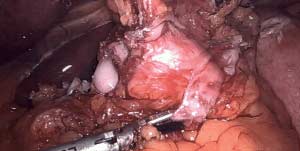
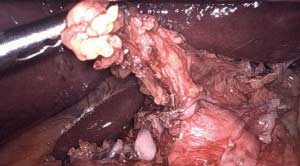
The dissection of the wrap over the band that shows erosion
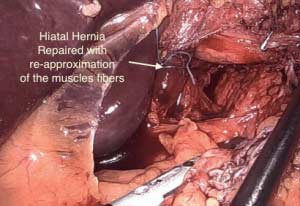
Part of the hiatal hernia repair.

The band and the port removed.