
Tag: cholecystectomy
Bile Reflux Gastritis After Cholecystectomy: What the Evidence Shows
May 19, 2026 4:13 pm
What Is Bile Reflux Gastritis?
The liver makes bile, the gallbladder stores it, and the common bile duct releases it into the duodenum to help digest fat. Normally, the pyloric valve at the outlet of the stomach keeps bile moving forward. In bile reflux, bile and pancreatic juices flow backward into the stomach. When this irritates and inflames the stomach lining, doctors call it bile reflux gastritis (also known as alkaline reflux gastritis or chemical gastropathy).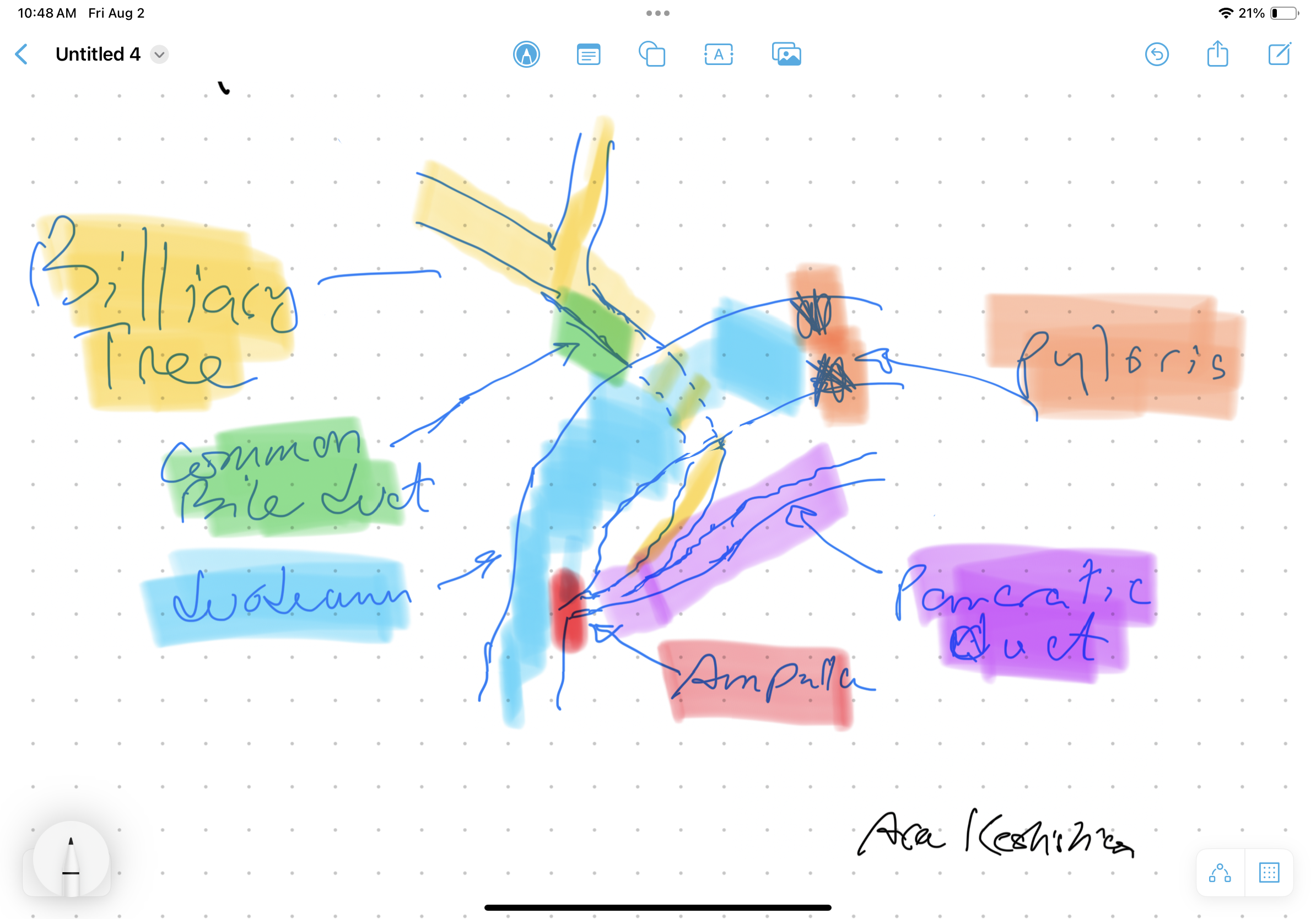
Symptoms of Bile Reflux Gastritis
- Burning or gnawing pain in the upper abdomen
- Nausea, and vomiting of greenish-yellow bile
- A bitter taste in the mouth
- Heartburn that does not improve with antacids or acid-reducing medication
- Bloating and feeling full quickly
- Unintended weight loss in more severe cases
Common Causes and Risk Factors
- Gallbladder removal (cholecystectomy), discussed in detail below
- Previous stomach surgery that bypasses or alters the pyloric valve, such as gastrojejunostomy or pyloroplasty
- Scarring of the pylorus from peptic ulcer disease
- Sphincter of Oddi dysfunction
- Diabetes and stomach motility disorders such as gastroparesis
- H. pylori infection
Key Terms: Incidence, Prevalence, Causation and Correlation
Before looking at the research, it’s best to clarify a few points:
- The difference between prevalence and incidence.
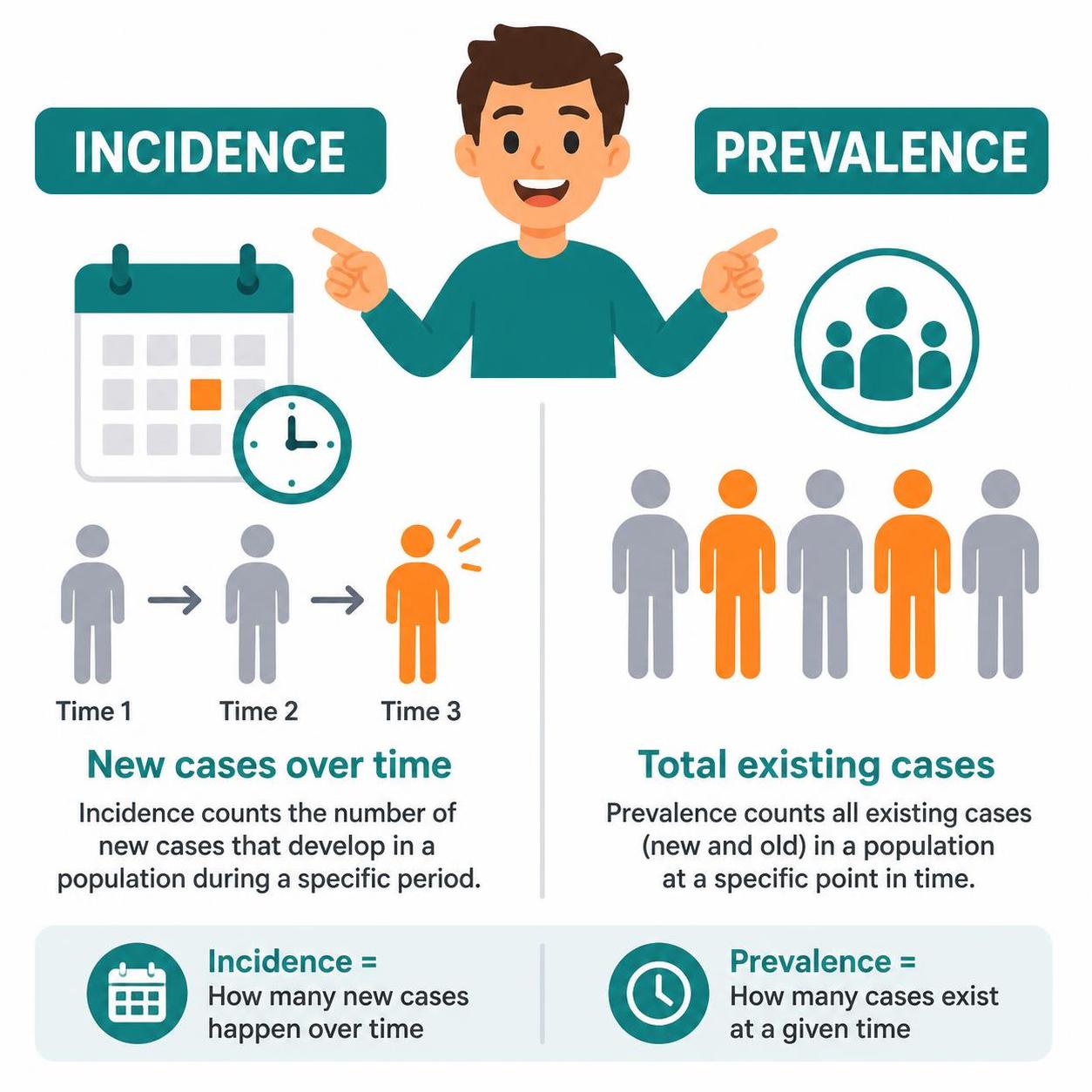
- Incidence means new cases over a specific period of time.
- Prevalence refers to existing cases at any time
- The difference between causation, coexistence, and correlation
- Causation refers to a condition causing an effect.
- Coexistence refers to two conditions present together at the same time, with neither causing the other.
- Correlation refers to two conditions that may occur together, with no causation.
- Study size refers to the research data behind the information. The larger the population size studied, the better the sample data and the more conclusive the results.
- Confounding factors.
How Bile Reaches the Stomach
Bile reflux gastritis is not the result of the cholecystectomy but may be seen in a subset of patients with other confounding conditions. Bile is produced in the liver and stored in the gallbladder. In response to high fat and protein in the stomach, the gallbladder contracts to “squeeze” the bile stored in the gallbladder into the small bowel to help absorb the fat and protein.

With the gallbladder removed, the bile produced by the liver cannot be stored and goes directly to the small bowel via the biliary tree.

It is possible and likely that some of the bile will find its way back to the stomach. In some patients, due to compounding circumstances, the bile may collect and cause gastritis. We need to dissect this a little for it to make sense.
- Not every patient after cholecystectomy will have bile in their stomach.
- Not every patient with bile in the stomach has gastritis.
To appreciate this, let’s remember that for bile to get from the small bowel to the stomach, it needs to:
- Go upstream, against the peristalsis of the small bowel, and not be washed down by the flow of the gastric juices coming out of the stomach.
- Go through the pyloric valve.
- If it reaches the stomach, the acid in the stomach does not neutralize it, causing gastritis.

Does Gallbladder Removal Cause Bile Reflux Gastritis?
As I stated before, there is no clear evidence that cholecystectomy causes bile reflux gastritis. That does not mean that patients with bile reflux gastritis have not had a cholecystectomy. Doctors commonly see bile reflux after cholecystectomy, and yet only some patients develop bile reflux gastritis, why? Those afflicted with this difficult condition are likely dealing with contributing factors as well, which doctors should identify and address rather than ignore.What the Meta-Analysis Shows
Prevalence vs Incidence: Why It Matters
This leads to a discussion of prevalence and incidence. The prevalence of bile reflux gastritis in a support group for the condition is extremely high, but the incidence in the general population is very small. The authors clearly state that the prevalence is nearly 50%. Patients who develop bile reflux gastritis may have other contributing factors that their doctor should evaluate. There is no clear evidence that cholecystectomy causes bile reflux gastritis, even though there is a higher incidence than in the general population. This distinction suggests that other risk factors may contribute to the onset of bile reflux gastritis, in addition to cholecystectomy.How Bile Reflux Gastritis Is Diagnosed
Bile reflux gastritis is primarily a diagnosis of exclusion. The doctor must first rule out all other possible causes, and then makes the diagnosis based on the pertinent symptoms. This is because no single test can prove the diagnosis. Tests commonly used in the evaluation include:- Upper endoscopy with biopsy to look for bile in the stomach and inflammation of the lining, and to rule out ulcers, H. pylori and other conditions.
- HIDA scan, a nuclear medicine study that can show bile flowing back into the stomach.
- Gastric emptying study to check for slow stomach emptying (gastroparesis).
- Blood work and ultrasound or CT to rule out other causes of upper abdominal pain.
As I’m sure we all appreciate, other contributing factors besides cholecystectomy may cause bile reflux and bile reflux gastritis. This is why it’s also emphasized that bile in the stomach alone does not confirm biliary reflux gastritis. It is also why we always state that bile reflux gastritis is a disease of exclusion, where other conditions such as gastroparesis, acid reflux, and hiatal hernia (regardless of size, as some patients are unfortunately told that since the hernia is small it does not need to be fixed, which is incorrect) must be considered. Further information on Bile Reflux.
Treatment for Bile Reflux Gastritis
The treatment is reduction and prevention of bile reflux into the stomach. In some cases, only surgery that diverts bile away from the stomach can achieve this.Medical Treatment
- Ursodeoxycholic acid (ursodiol), which changes the makeup of bile and may reduce symptoms.
- Bile acid binders such as cholestyramine, although results are mixed.
- Prokinetic medications that help the stomach empty faster.
- Sucralfate to coat and protect the stomach lining.
- Treatment of H. pylori when it is present.
- Acid-reducing medication, which helps only when acid reflux coexists with bile reflux.
Surgical Treatment: Biliary Diversion
When it comes to surgery, the goal is to prevent bile from coming back to the stomach. The procedure we have performed routinely for bile reflux gastritis is the duodenal switch, without a reduction in stomach size. This allows food to go through an intact stomach and pyloric valve with normal stomach physiology, which prevents dumping syndrome. We divert the bile through 100 cm of small bowel, as the biliary and alimentary limbs, to prevent backflow of bile into the stomach, which can happen if the limbs are made too short.
Frequently Asked Questions About Bile Reflux Gastritis
Is bile reflux the same as acid reflux?
No. Acid comes from the stomach, while bile is a digestive fluid made by the liver. The two can occur together, but acid-reducing medication does not stop bile reflux.Does everyone who has their gallbladder removed develop bile reflux gastritis?
No. Bile reflux is common after cholecystectomy, but only some patients develop bile reflux gastritis, which suggests that other factors also play a role.Can bile reflux gastritis be cured?
Many patients improve with medication and diet changes. When symptoms persist and tests have excluded other causes, biliary diversion surgery can stop bile from reaching the stomach.When should I see a surgeon?
Consider a surgical evaluation if symptoms continue despite medical treatment, if you are vomiting bile, or if you are losing weight.Related Articles
Have questions about your symptoms? Contact our office at 1-818-812-7222 to schedule an appointment.Sphincter of Oddi Dysfunction: Types, Diagnosis and Treatment
April 26, 2026 8:43 am
What Is Sphincter of Oddi Dysfunction?
Sphincter of Oddi dysfunction (SOD) is a clinical syndrome that causes biliary or pancreatic pain because the sphincter of Oddi works abnormally or is obstructed. The sphincter of Oddi is a ring of muscle where the bile duct and pancreatic duct empty into the duodenum. It controls the flow of bile and pancreatic juice.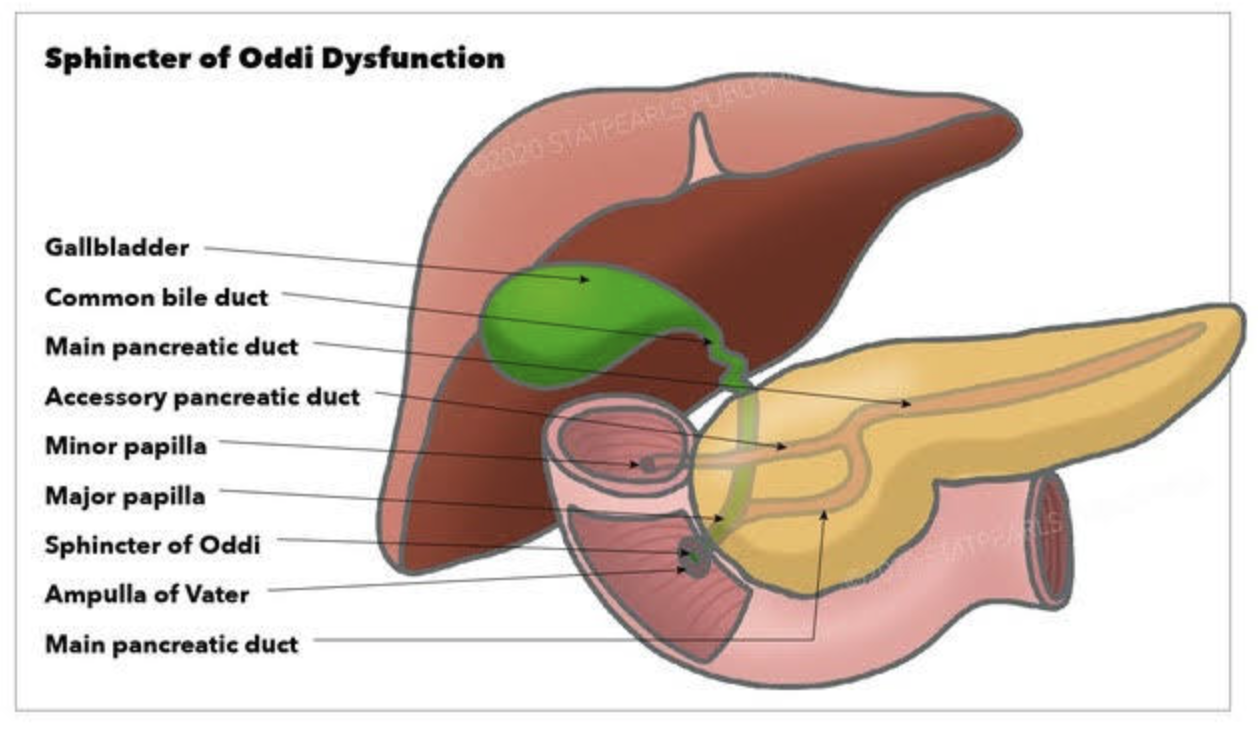
Symptoms of Sphincter of Oddi Dysfunction
- Episodes of pain in the upper middle or upper right abdomen, often lasting 30 minutes or more
- Pain that may spread to the back or right shoulder
- Nausea and vomiting during episodes
- Recurrent pancreatitis in pancreatic-type SOD
Types of SOD: The Milwaukee Classification
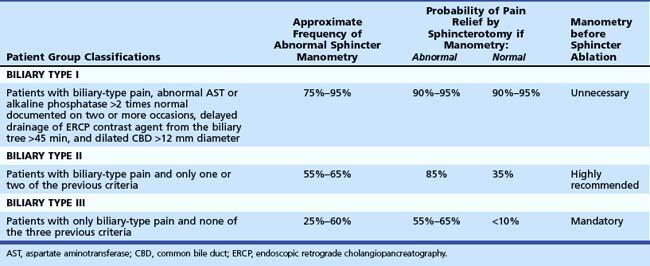
Doctors classify biliary SOD into three Milwaukee/Rome types based on symptoms, lab tests and imaging:- Type I: biliary-type pain plus objective findings: a dilated bile duct and abnormal liver enzymes.
- Type II: biliary-type pain with either a dilated duct or elevated enzymes.
- Type III: biliary-type pain without any objective abnormality.
How Sphincter of Oddi Dysfunction Is Diagnosed
The SOD spectrum includes biliary, pancreatic or combined sphincter dysfunction. Symptoms come either from abnormal muscle movement (dyskinesia) or from a mechanical blockage. Therefore, the term SOD covers both functional motility disorders and mechanical obstructions such as papillary stenosis. Sphincter of Oddi manometry (SOM), which measures pressure in the sphincter during ERCP, has been considered the gold standard for diagnosing high basal sphincter pressure. However, SOM is invasive and carries complications, including pancreatitis. In addition, results after sphincterotomy are not uniform. Consequently, many centers have moved toward empiric endoscopic therapy for carefully selected patients, and toward noninvasive or less invasive tests for others.Treatment of Sphincter of Oddi Dysfunction
- Endoscopic biliary sphincterotomy (EST) is the most established treatment for biliary SOD, particularly in type I and in many type II patients with a dilated duct and/or elevated enzymes.
- Type II: results after EST correlate with objective evidence of obstruction or high sphincter pressure on SOM. Sphincterotomy without manometry remains controversial.
- Type III: research now shows this is mostly functional pain rather than a mechanical blockage. As a result, care focuses on risk assessment, noninvasive strategies and a team approach.
- Medical options: calcium-channel blockers, nitrates, certain antidepressants and lifestyle changes may help, either alone or alongside other treatment.
SOD After Gastric Bypass or Duodenal Switch
After gastric bypass or duodenal switch, the anatomy has changed. Therefore, these patients cannot have ERCP or sphincter of Oddi manometry. MRCP may be helpful in diagnosis. This makes careful, noninvasive evaluation even more important.Summary
- SOD is a multifactorial disorder of the biliary and pancreatic sphincter, ranging from mechanical obstruction to pure dyskinesia.
- Types I and II remain treatment-relevant, particularly sphincterotomy for biliary obstruction. Type II management requires clear identification of the cause.
- SOM is a diagnostic tool with significant limitations.
- Endoscopic sphincterotomy offers meaningful relief in type I and selected type II patients, but it carries a risk of complications, including pancreatitis.
- In type III SOD, sphincterotomy generally offers limited benefit, so noninvasive management and careful counseling are preferred.
Related Articles
- Cholangitis: Causes, Risk Factors and Treatment
- Bile Reflux Gastritis After Cholecystectomy
- Cholecystectomy: Gallbladder Removal
- Endoscopy Procedures and Duodenal Switch