The difference between causation, coexistence, and correlation
Causation refers to a condition causing an effect.
Coincidence refers to two conditions present together at the same time, with neither causing the other.
Correlation refers to two conditions that may occur together, with no causation.
Study size refers to the research data on which the information is based. The larger the population size studied, the better the sample data and the more conclusive the results.
Confounding factors.
As I stated before, there is no clear evidence that cholecystectomy causes bile reflux gastritis. That does not mean that patients with bile reflux gastritis have not had a cholecystectomy.
Bile reflux is commonly seen after cholecystectomy, and yet only some develop bile reflux gastritis, why?
Those afflicted with this difficult condition are likely dealing with contributing factors as well, which should not be ignored and addressed.
Let’s discuss the publication:
The Prevalence of Bile Reflux Gastritis Following Cholecystectomy: A Meta-Analysis and Systematic Review.
If we read past the title and conclusion, all of the points 1-4 noted above are outlined, addressed, and discussed in the provided publication.
This study is very small and limited. The review article is based on 135 patients from hundreds of articles that they reviewed from multiple sources, between 2000 and 2004.
In the introduction, the authors clearly indicate that the “…loss of storage function…, loss of neuro hormonal responses causing motility changes in the upper GI may lead to duodenogastric reflux…” They further state that “The mechanism leading to bile reflux following cholecystectomy is not fully understood.” The authors state that cholecystectomy may increase the risk of bile reflux gastritis, but other factors, such as H. pylori, diabetes, motility dysfunction, hormonal changes, and the Sphincter of Oddi, may also be risk factors.
There is no causation, only correlation and coexistence. To be clear, bile reflux gastritis is common after cholecystectomy, but not clear whether it is caused by it.
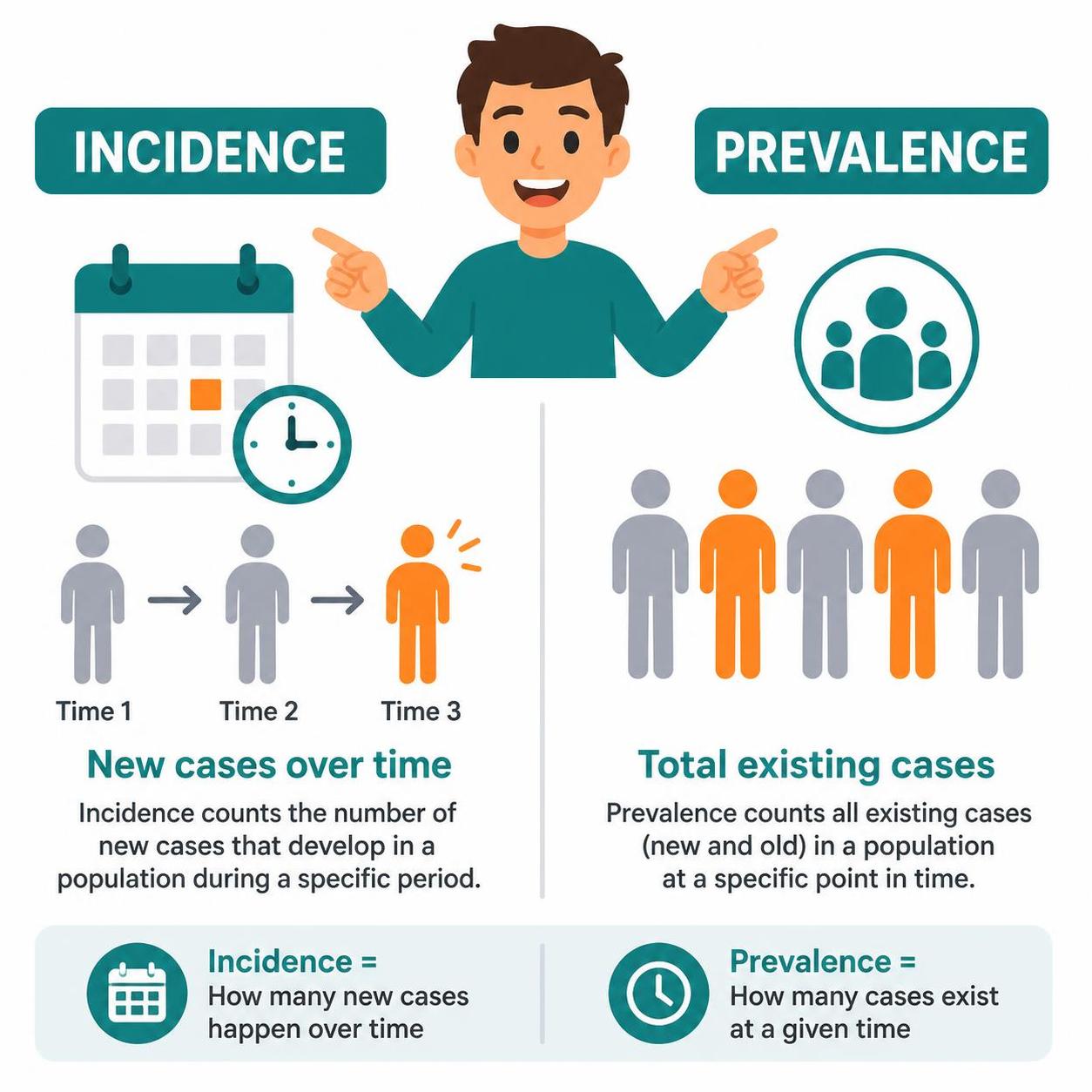
This leads to a discussion of prevalence and incidence. The prevalence of bile reflux gastritis in a support group for the condition is extremely high, but the incidence in the general population is very small. The authors clearly state that the prevalence is nearly 50%.
Patients who develop bile reflux gastritis may have other contributing factors that should be evaluated. There is no clear evidence that cholecystectomy causes bile reflux gastritis, even though there is a higher incidence than in the general population. This distinction suggests that other risk factors may contribute to the onset of bile reflux gastritis, in addition to cholecystectomy.