
1-818-812-7222 Office Hours: Monday Thru Friday: By Appointment only
Home » sphincter of Oddi dysfunction
Tag: sphincter of Oddi dysfunction
Sphincter of Oddi Dysfunction: Types, Diagnosis and Treatment
April 26, 2026 8:43 am
What Is Sphincter of Oddi Dysfunction?
Sphincter of Oddi dysfunction (SOD) is a clinical syndrome that causes biliary or pancreatic pain because the sphincter of Oddi works abnormally or is obstructed. The sphincter of Oddi is a ring of muscle where the bile duct and pancreatic duct empty into the duodenum. It controls the flow of bile and pancreatic juice.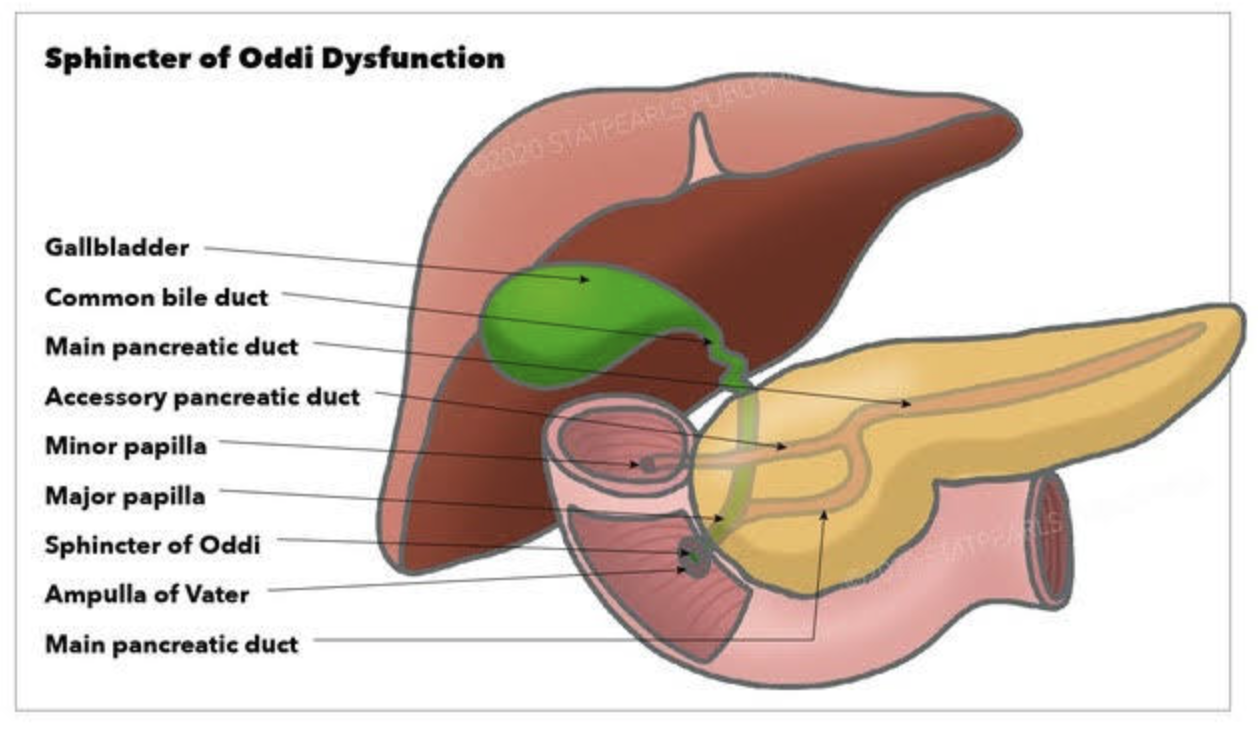
Symptoms of Sphincter of Oddi Dysfunction
- Episodes of pain in the upper middle or upper right abdomen, often lasting 30 minutes or more
- Pain that may spread to the back or right shoulder
- Nausea and vomiting during episodes
- Recurrent pancreatitis in pancreatic-type SOD
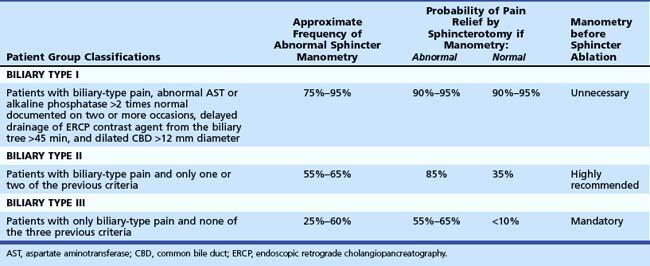
Types of SOD: The Milwaukee Classification
Doctors classify biliary SOD into three Milwaukee/Rome types based on symptoms, lab tests and imaging:- Type I: biliary-type pain plus objective findings: a dilated bile duct and abnormal liver enzymes.
- Type II: biliary-type pain with either a dilated duct or elevated enzymes.
- Type III: biliary-type pain without any objective abnormality.
How Sphincter of Oddi Dysfunction Is Diagnosed
The SOD spectrum includes biliary, pancreatic or combined sphincter dysfunction. Symptoms come either from abnormal muscle movement (dyskinesia) or from a mechanical blockage. Therefore, the term SOD covers both functional motility disorders and mechanical obstructions such as papillary stenosis. Sphincter of Oddi manometry (SOM), which measures pressure in the sphincter during ERCP, has been considered the gold standard for diagnosing high basal sphincter pressure. However, SOM is invasive and carries complications, including pancreatitis. In addition, results after sphincterotomy are not uniform. Consequently, many centers have moved toward empiric endoscopic therapy for carefully selected patients, and toward noninvasive or less invasive tests for others.Treatment of Sphincter of Oddi Dysfunction
- Endoscopic biliary sphincterotomy (EST) is the most established treatment for biliary SOD, particularly in type I and in many type II patients with a dilated duct and/or elevated enzymes.
- Type II: results after EST correlate with objective evidence of obstruction or high sphincter pressure on SOM. Sphincterotomy without manometry remains controversial.
- Type III: research now shows this is mostly functional pain rather than a mechanical blockage. As a result, care focuses on risk assessment, noninvasive strategies and a team approach.
- Medical options: calcium-channel blockers, nitrates, certain antidepressants and lifestyle changes may help, either alone or alongside other treatment.
SOD After Gastric Bypass or Duodenal Switch
After gastric bypass or duodenal switch, the anatomy has changed. Therefore, these patients cannot have ERCP or sphincter of Oddi manometry. MRCP may be helpful in diagnosis. This makes careful, noninvasive evaluation even more important.Summary
- SOD is a multifactorial disorder of the biliary and pancreatic sphincter, ranging from mechanical obstruction to pure dyskinesia.
- Types I and II remain treatment-relevant, particularly sphincterotomy for biliary obstruction. Type II management requires clear identification of the cause.
- SOM is a diagnostic tool with significant limitations.
- Endoscopic sphincterotomy offers meaningful relief in type I and selected type II patients, but it carries a risk of complications, including pancreatitis.
- In type III SOD, sphincterotomy generally offers limited benefit, so noninvasive management and careful counseling are preferred.
Related Articles
- Cholangitis: Causes, Risk Factors and Treatment
- Bile Reflux Gastritis After Cholecystectomy
- Cholecystectomy: Gallbladder Removal
- Endoscopy Procedures and Duodenal Switch
Recent Posts
- Copper: The Essential Mineral Your Body Cannot Live Without November 18, 2026
- Superior Mesenteric Artery Syndrome (SMAS) November 18, 2026
- Is Sucralose (Splenda) Bad for You? What the Science Says November 5, 2026
- Sleeve more cost effective than GLP-1 October 30, 2026
- Cholangitis: Causes, Risk Factors and Treatment May 24, 2026