
Home » LAFLD
Category: LAFLD
Vitamin D level and Liver Function Test (LFT) elevation
February 08, 2026 11:21 am
After weight-loss surgery, some patients may experience a transient elevation in liver function tests that resolves over time. We have previously reported on this. IT is essential to distinguish between the Duodenal switch and the SIPS/SADI procedure, where some patients are led to believe they are identical. These procedures differ physiologically, and their weight loss and metabolic behaviours vary significantly.
Other than the stress of the weight loss, obesity, and comorbidities of obesity, there may be other anatomical post-surgical causes for elevated liver function test. This has also been discussed extensively.
A recent literature review supports the protective effects of vitamin D supplementation.
Elevated liver enzymes may be caused by many factors, including nutritional deficiencies, excessive supplementation (turmeric), medications, alcohol, adhesions causing partial bowel obstruction, and increased enterohepatic bile reabsorption . I would be very cautious about associating vitamin D supplementation with elevated liver function test results, even if the vitamin D level is in the very high normal range, regardless of the daily dose (much less frequent with injectable).
Vitamin D, as a fat-soluble vitamin, however, protects the liver and improves liver function test even in very high serum level . In rare cases, prolonged, elevated vitamin D levels may strain the liver. In Fact, the association of the vitamin D level and liver disease, including cirrhosis, leads to hepatocellular carcinoma (HCC) and dea h. Vitamin D protects the liver from HCC but cannot reduce the risk of cirrhosis.
Liver Injury and Obesity
April 30, 2018 11:36 am
Liver is a vital organ. It has many roles in the physiologic pathways including protein productions, clotting function, iron metabolism, production of bile and cholesterol, etc. as well as metabolism and filtering of waste products. We should think of it as a refinery, for conversion of raw material from food to energy used by our body, in addition to a processing and distribution center for mineral, and nutrients. Liver injury can have devistating effects and long term ramifications if unchecked.
Liver is also very resilient and forgiving to stressors and injury. The liver will tolerate repeated insults caused by Medication (both prescription and over the counter) , obesity, Diabetes, alcohol, and herbal supplements, to name a few, but only if care is taken and the offending stressor is removed. During the injury phase, however, the liver may have a difficult time keeping up with bodily function needs due to loss of fully function cells.
The anatomy of liver can change from normal (both visually to the naked eye and under microscope) to mild inflammation and reverse back to normal if the underlying causes of injury are removed. IF, however, the anatomy of the liver changes with fibrosis, it crosses to an irreversible range where it can only be prevented from progressing rather than reversing.
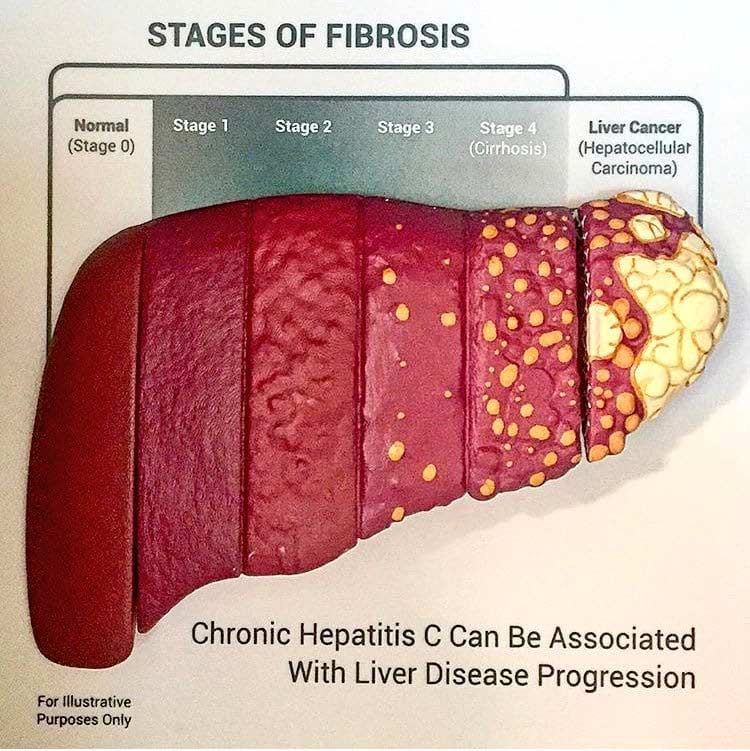
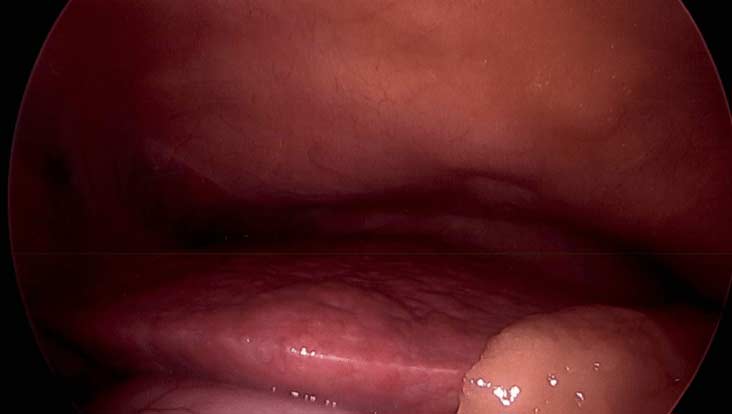
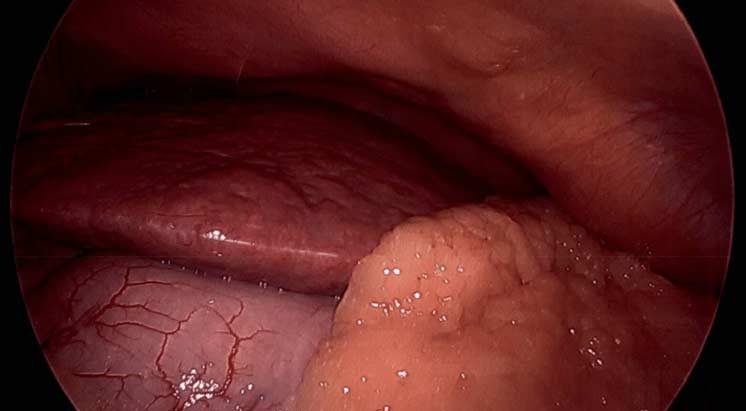
In the obese population, Non-alcoholic Fatty Liver Disease (NAFLD) causes inflammation and a slowly diminishing functionality of the liver. NAFLD is the leading cause of liver disease in the U.S. Unchecked or untreated NAFLD can progress to NASH (Non-Alcoholic Steatohepatitis. NAFLD, or “fatty” liver disease, is an accumulation of fat within the liver. NASH is a progression that can lead to inflammation of the liver cells or advance to fibrosis and cirrhosis. In addition to liver injury, there is some evidence that NAFLD also correlates with cardiovascular disease.
Causes of NAFLD:
- Obesity
- Type 2 Diabetes Mellitus
- Hypertension
- High cholesterol
- Sedentary lifestyle
Symptoms may include fatigue, right upper quadrant pain, and liver enzyme elevation.
During bariatric or weight loss surgery, we visualize and occasionally biopsy the liver to define the degree of injury, if identified. Following weight loss surgical procedures, a rise in liver function enzymes may be expected due to the processing of waste products following fat mass loss. However, long-term bariatric procedures can significantly improve NAFLD and NASH. Bariatric procedures require adherence to protein and supplement requirements and regular physician visits—the past blog of liver disease.
Weight loss surgical procedures improve liver function abnormalities.
- Cholangitis May 24, 2026
- Bile Reflux Gastritis May 19, 2026
- Sphincter of Oddi Dysfunction April 26, 2026
- Types of HyperParathyroidism February 20, 2026
- Vitamin D level and Liver Function Test (LFT) elevation February 8, 2026