
Home » Lap Sleeve Gastretomy » Page 3
Category: Lap Sleeve Gastretomy
Hernia Repair And Weight loss surgery
December 22, 2014 3:35 pm
Patients having weight loss surgery (WLS) either primary or revision are sometimes also diagnosed with having a hernia. Whether a hernia can be repaired concurrently with WLS or not, depends on the type of the hernia and also type of weight loss surgery.
The 2 most common hernias encountered in weight loss surgical patient’s are 1.Ventral (incisional), or 2. Hiatal hernias. Ventral hernia refers to defects or weaknesses of the abdominal wall. If this involves a previous midline incision then an incisional hernia is diagnosed. These hernias may present with any or all of the following findings; protrusions or bulging of the anterior abdominal wall tissue through the abdominal muscle cavity, abdominal pain, and nausea and/or vomiting.
Hiatal hernias are located inside the abdominal cavity at the junction of the esophagus and the stomach at the level of the diaphragm. This condition is where the upper portion of the stomach this is usually located in the abdominal cavity has migrated through the esophageal hiatus into the chest cavity. These hernia’s usually present with reflux, episodes of nausea and are quite frequently seen in patients with experienced complications of the LAP-BAND.
The surgical treatment of these hernias are very different:
Ventral hernia repairs may require mesh placement. There are different mesh products that are available. Some are made with non absorbable material and other are absorbable- biologic material that last long enough to allow incorporation by the patients own tissue. In general, when a mesh is used, the incidence of hernia recurrence goes down significantly. However, there is an increase in complications associated with the use of mesh. These may include infection of the mesh, indications of synthetic material, and serum and rejection indications of non synthetic material. To add another layer of complexity, when the hernia is encountered at the time of weight loss surgery, especially when the GI track has to be opened ( in the case of duodenal switch, revision from a failed gastric bypass with a duodenal switch) then it is recommended that no mesh be placed because of the high incidence of mesh infection or the associated complications. In extreme cases where the abdominal wall cannot be closed, biologic meshes may be used with the understanding that a repeat hernia repair may be required at a later date.
In my practice, Hiatal hernias are always repaired at the time of the weight loss surgical procedures. Depending on the type of the weight loss surgery the patient has had previously, the type of the hernia repair, and whether or not a mesh needs to be utilized, and the amount of stomach and fundus remains for the repair, will dictate how the Hiatal hernia is repaired.
Additional information regarding hernias in a newsletter.
Adjustable Gastric Band Easily Reversible?
November 24, 2014 3:25 pm
The Adjustable Gastric Band (AGB) procedures have been advertised as “easily reversible” minimally invasive procedures. A point of interest is why doesn’t anyone ask the question, “Why would a successful device and/or procedure need to be revised or removed?”
The long term success data shows that the AGB procedure is the most inferior of all bariatric procedures. It is important, that when looking at the published data, special attention is given to the definitions in that particular study. An example would be that if a study defines “successful outcomes as weight loss for 30 days!” then all procedure will be successful.
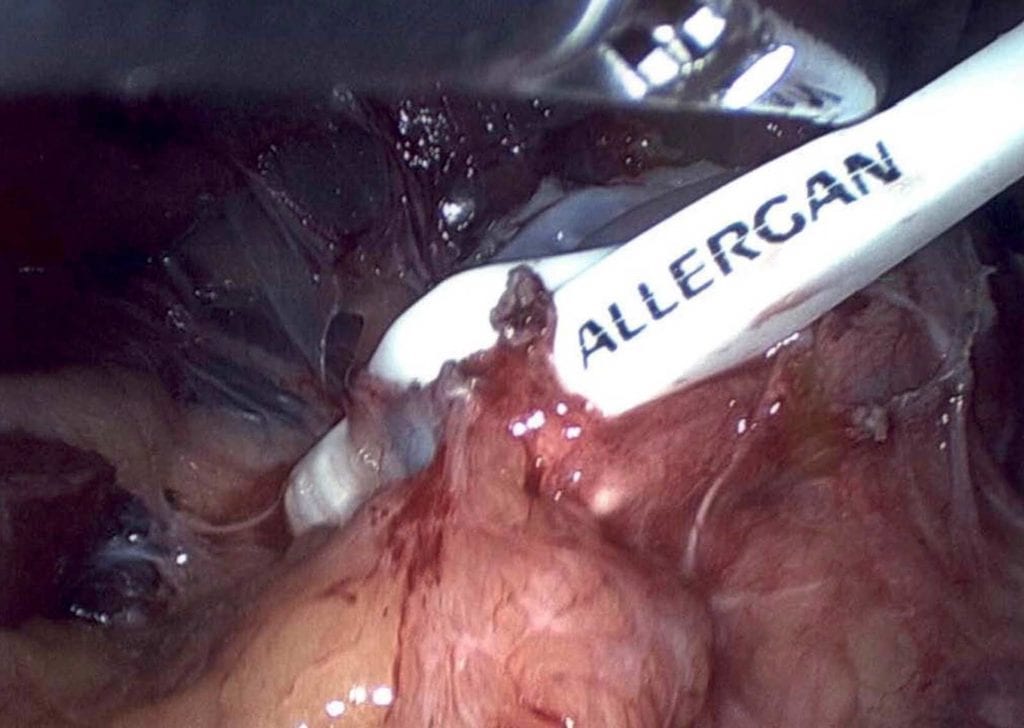
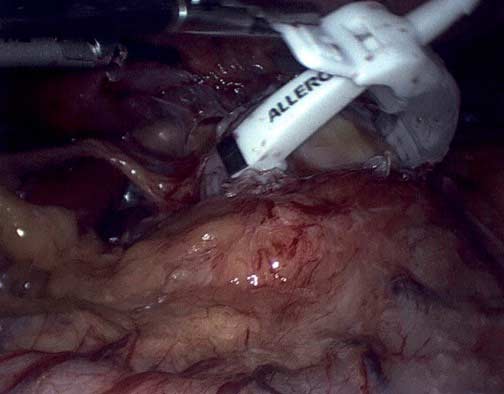
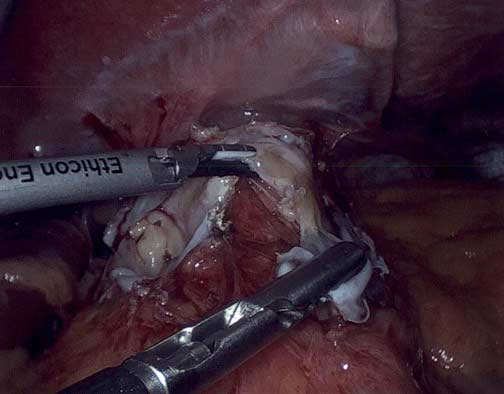
The following is an example of a patient who had the Lap Band (R) a several years ago in another institution. She was seen for surgical follow up with minimal weight loss over a short period of time. She then developed the typical complications of the band, namely the upper abdominal pain, reflux, inability to swallow solids, persistent nausea and vomiting. Her symptoms were all “worked up” and was told that all the studies were normal. All of her symptoms were contributed to her eating habits, even though they persisted after the Lap Band (R) was completely empty.
The patient then presented n our office for a second opinion. After being seen in our office and having a full work up, she had the Lap Band removed and was revised to a Laparoscopic Sleeve Gastrectomy. She had complete resolution of all of her prior presenting symptoms.
- Cholangitis May 24, 2026
- Bile Reflux Gastritis May 19, 2026
- Sphincter of Oddi Dysfunction April 26, 2026
- Types of HyperParathyroidism February 20, 2026
- Vitamin D level and Liver Function Test (LFT) elevation February 8, 2026