
Category: Uncategorized
Duodenal Switch Compared to Gastric Bypass
September 06, 2010 12:51 pm
Summary of Selected Presentations of ASMBS Meeting Part 5
September 03, 2010 10:46 am
Long-Term Outcomes and Consequences of Distal Gastric Bypass (D-GB) In Severe Clinical Obesity
Sugerman et.al.-Surgery, Virginia Commonwealth University, Richmond, VA
This study was conducted to measure longterm weight loss and metabolic results in Distal Gastric Bypass (D-GB) patients within a 24 year time span. Through a bariatric database and office visits statistics were inquired about a 3 year cliental list of 40 super – obese and 6 morbidly obese cases that had the D-GB done with the Roux-En-Y bypass. Preoperative BMI in patients was 59 kg/m2 (80% being women) and the average age was around 36 years old. In addition, approximately 40% of the patients required limb-lengthening revision as a result of protein-calorie malnutrition, and thirteen patients required another surgery. Unfortunately, six to nineteen years later after the D-GB surgery was performed, eight patients died. As a followup, patients who did not have revision surgery showed some weight loss, resulting in a BMI of 34 kg/m2 and an initial excess weight loss of 67%. Patients did have beneficial results in terms of weight loss; however, the protein-calorie malnutrition was too high and some patients’ levels of iron and vitamin D dropped. Distal-GB isn’t the best primary operation for morbid or super obese patients.
Editorial: There has been a resurgence of the distal gastric bypass as a salvage operation for failed proximal gastric bypass operation. The distal gastric bypass operation is a tested procedure, with is known complication rates. The number of distal procedures had gone down significantly, till recently when some centers and surgeons started offering is a revision to other restrictive procedures. It is my opinion that the distal gastric bypass has significant metabolic and nutritional sequel that do not justify its superior weight loss. It is also important to remember that distal gastric bypass is not the same as the duodenal switch or the BPD operation.
Ara Keshishian, MD
Short Term Outcomes Comparing Roux-En-Y Gastric Bypass vs. Sleeve Gastrectomy as Treatment for Failed or Complicated Gastric Banding
Lieb et.al. Cleveland Clinic Florida, Weston, FL
Laparoscopic adjustable gastric band (LAGB) is a commonly performed bariatric operation; however, when major problems take place or weight loss disappoints a revision surgery may take place; Laparoscopic Roux-En-Y Gastric Bypass (LRYGB) and Laparoscopic Sleeve Gastrectomy (LSG) are the most popular options. This study was conducted to compare the efficiency of LRYGB and LSG from 2003 until 2008 analyzing weight loss in terms of the body mass index (BMI). A total of 25 conversions were performed, 13 from LAGB to LRYGB (patients losing 10 BMI points) and 12 from LAGB to LSG (8 points lost in BMI). Hence, after a year the LAGB to LRYGB portrayed more weight loss in comparison to the LAGB to LSG.
Editorial: A common patient presented to our office is a gastric bypass or a lap band that has had less than desirable weight loss. More so, some patients are presenting with complications, such as dumping syndrome, weight regain, nutritional deficiencies, slipped band, dilation of the esophagus and other. There are solutions that are being offered, and most are nothing more than a band aid. I believe that the best reversional operation for failed gastric bypass and the adjustable gastric banding is the duodenal switch operation. This issue was discussed at length last in July 2009 newsletter.
Ara Keshishian, MD
Summary of Selected Presentations of ASMBS Meeting Part 4
August 30, 2010 10:41 am
Insurance Mandated Medical Programs Prior to Bariatric Surgery: Do Good Things Come to Those Who Wait?
Timothy Kuwada Division of Minimally Invasive and bariatric Surgery, Carolinas Medical Center, Carolinas Laparoscopic and Advanced Surgery Program, Charlotte, NC
This study was conducted to define the influence of a mandated medical program (MMP) on pre and post operative weight loss. Data was accumulated regarding patients undergoing nonrevisional Laparoscopic Roux-en-Y Gastric Bypass (LRYGB) or Laparoscopic Adjustable Gastric Banding (LAGB) in a three year time span. Cases were separated into the MMP and No MMP in which the MMP patients went through a guided program by medical bariatricians and nutritionists. Three hundred patients (mostly LAGB) were studied separately in terms of time to surgery and %EWL before surgery and various times after surgery. When comparing MMP and non MMP patients, there was no large difference in preoperative %EWL or later %EWL. Patients who undergo a standardized MMP have a significant delay in time to surgery and no major benefits in terms of weight loss. Hence, insurances shouldn’t assign preoperative medical weight loss programs for patients, since the data does not support any benefit to this requirements.
Note that this study did not include the duodenal switch or the sleeve gastrectomy procedures.
Summary of Selected Presentations of ASMBS Meeting Part 4
Insurance Mandated Medical Programs Prior to Bariatric Surgery: Do Good Things Come to Those Who Wait?
Timothy Kuwada Division of Minimally Invasive and bariatric Surgery, Carolinas Medical Center, Carolinas Laparoscopic and Advanced Surgery Program, Charlotte, NCThis study was conducted to define the influence of a mandated medical program (MMP) on pre and post operative weight loss. Data was accumulated regarding patients undergoing nonrevisional Laparoscopic Roux-en-Y Gastric Bypass (LRYGB) or Laparoscopic Adjustable Gastric Banding (LAGB) in a three year time span. Cases were separated into the MMP and No MMP in which the MMP patients went through a guided program by medical bariatricians and nutritionists. Three hundred patients (mostly LAGB) were studied separately in terms of time to surgery and %EWL before surgery and various times after surgery. When comparing MMP and non MMP patients, there was no large difference in preoperative %EWL or later %EWL. Patients who undergo a standardized MMP have a significant delay in time to surgery and no major benefits in terms of weight loss. Hence, insurances shouldn't assign preoperative medical weight loss programs for patients, since the data does not support any benefit to this requirements.
| LRYGB | AGE | Initial BMI |
Pre-Operative #EWL |
Days to Surgery | 3 month %EWL | 6 month %EWL |
12 month %EWL |
Non |
42.6 | 46.1 | 7.1 | 174.5 | 34.3 | 51.3 | 67.1 |
MMP |
43.7 | 46.6 | 8.26 | 317.9 | 34.4 | 48 | 61.7 |
| P value |
0.47 P=0.284 | P=0.96 | P<0.001 | 1 | 0.96 | 0.96 | 0.23 |
| LAGB | AGE | Initial BMI |
Pre-Operative #EWL |
Days to Surgery | 3 month %EWL | 6 month %EWL |
12 month %EWL |
Non |
45 | 45.1 | 6.44 | 188.5 | 13.9 | 22.8 | 30.3 |
MMP |
48.4 | 47.3 | 11.71 | 309.6 | 18.2 | 21.5 | 37.7 |
| P value |
0.19 | 0.69 | P=0.018 | 0.002 | 0.05 | 0.76 | 0.19 |
Note that this study did not include the duodenal switch or the sleeve gastrectomy procedures.
Summary of Selected Presentations of ASMBS Meeting Part 3
August 23, 2010 10:36 am
Laparoscopic Roux-En-Y Gastric Bypass Achieves Greater Weight Loss than Sleeve Gastrectomy after One Year
Surgery, Kaiser Permanente South Bay Medical Center, Harbor City, CA; Surgery, Harbor –UCLA Medical Center , Torrance, CA; Emergency Medicine, Harbor- UCLA Medical Center, Torrance , CA
Laparoscopic sleeve gastrectomy (LSG) has become very popular as a weight loss surgery. This study was conducted to portray similarities of LSG to ROUX-En-Y Gastric Bypass (RYGB) results. Patients who had the RYGB and LSG from 2007 to 2009 were analyzed for % excess weight loss (EWL), resolutions for co-morbidities, postoperative problems and mortality. Laparoscopic RYGB and LSG have comparable postoperative morbidity and mortality rates
Editorial: There is lots excitement about the sleeve gastrectomy. It is worthwhile to remember that as Duodenal surgeons, we have performed sleeve gastrectomy with every duodenal switch operation. At the beginning the sleeve gastrectomy was offered as a staging operation for hight risk Duodenal switch patients. The rationale was that by offering sleeve gastrectomy as a first part of the duodenal switch operation,a patient can loose some weight, and make the second part of the operation much less risky. It was with this observation then some surgeons started promoting sleeve gastrectomy as a primary operation. The long term data for sleeve gastrectomy is very limited. In my opinion, sleeve gastrectomy is a great alternative for some patient instead of the Lap Band®, since it does not involve placement of foreign body, and will not require adjustments. With all these information in mind, I would like to remind ourselves that all surgeries have their own drawbacks, and the only way a patient can make an informed educated decision is to know what their options are, and not be just told about one surgery.
Ara Keshishian, MD
| RYGB (n=345) | Sleeve (n=192) | P Value | |
Median Age |
46 | 48 | 0.05 |
Median BMI kg/m2 |
47 | 43 | <0.0001 |
| Median length of hospital stay | 3 | 3 | 1 |
| DM - number and (%) of patient that had DM | 112 (32%) | 42 (22%) | 0.01 |
| Remission of DM | 73 (65%) | 31 (74%) | 0.3 |
| HTN - number and (%) of patient that had HTN | 199 (58%) | 102 (53%) | 0.3 |
| Resolution of HTN | 95 (48%) | 35 (34%) | 0.003 |
| GERD -number and (%) of patient that had GERD | 83 (24%) | 53 (28%) | 0.4 |
| Resolution of GERD | 61 (73%) | 18 (34%) | < 0.0001 |
| Median EWL at one month | 9.7% | 9.20% | 0.05 |
| Median EWL at 3 months | 12.90% | 16.20% | <0.0001 |
| Median EWL at 6 months | 19.50% | 22.50% | < 0.0001 |
| Median EWL at 12 months | 28.90% | 25.90% | < 0.0001 |
| Total complications | 43 (12%) | 21 (11%) | 0.6 |
| Mortality | 1 (0.3%) | 0.00% | 1 |
Summary of Selected Presentations of ASMBS Meeting Part 2
August 17, 2010 10:33 am
Is Weight Loss Better Sustained With Long Limb Gastric Bypass in the Super Obese?
Columbia University at Harlem Hospital Center, New York, NY
Gastric bypass with Roux limb length of 150 cm has shown better weight loss in patients with a BMI greater than 50, but the ideal length of the Roux limb is not yet agreed upon. This study was conducted to compare long-term weight loss and weight regain of standard limb length (SLL) and long limb length (LLL). 120 patients with a BMI greater than 50 went through the SLL or LLL gastric bypass. The weight regain and the rate of complications were followed up for years 1, 2, and 3 after surgery. The authors concluded, there was no apparent difference in demographics, preoperative BMI measurements, or comorbidities. In comparing SLL to LLL preoperative BMI was around 56 and there was no difference in percentage weight regain. Also, typical complications such as bleeding and leakage were also parallel. Hence, there is no apparent distinction between SLL and LLL gastric bypass operations, with regards to the percentage weight regain.
Editorial: There were a few studies presented at the meeting that looked at the distal gastric bypass operation. There has been a resurgence of this operation recently. I would suggest that the standard gastric bypass has a high failure rate and conversion to distal bypass appears to be an easy solution. This study demonstrated that there was not a significant difference between the long limb or the short limb gastric bypass. There does however undisputed increase in the metabolic complications of the distal gastric bypass.
Ara Keshishian, MD
Area Laparoscopic Bariatric Procedures Safe in Super Obese Patients? A NSQIP Data Analysis
Department of Surgery, New York Hospital Queens, Flushing, NY
This study was conducted to test the safety of the Laparoscopic Bariatric Procedure in super obese patients. 29,300 patients who underwent LBP were separated into two groups having a BMI greater than 50 and less than 50. Patients who underwent Laparoscopic Gastric Bypass (LGB) and Laparoscopic Adjustable Gastric Band (LAGB) were used as the basis for the study. As a result, in the BMI >50 Kg/ m2 group there were more males, younger patients, and higher occurrences of HTN and Dyspnea. In both procedures the group of people whose BMI was greater than 50 had an elevation in complications. As a result, patients with a BMI of less than 50 have less chance of complications and mortality when compared to super obese patients.
Primary and Revisional Laparoscopic Adjustable Gastric Band Placement in Patients with Hiatal Hernia Surgery
University of Nebraska Medical Center, Omaha, NE
In this case study the regularity of hiatal hernia and the safety of restoring and revising LAGB was assessed. Many physicians restore a hiatal hernia at the time of the Laparoscopic Adjustable Gastric Band (LAGB) placement. Data from the CDB/RM (Clinical Data Base/ Resource Manager) was used for LAGB with and without hiatal hernia during a three year time span to conduct this experiment. In LAGB operations 19% of patients had a hiatal hernia compared to 26% in the repair surgery group. As a result, hiatal hernia repair was carried out with LAGB in 12% of the patients. Mortality, length of stay, and morbidity was about the same in cases undergoing hiatal hernia restoration with initial LAGB versus non hiatal hernia repair patients. Statistics show, that morbidity was quite less when hiatal hernia was renovated in the primary operation in comparison to adjustment surgery. Occurrence of a hiatal hernia is linked with an increased rate of revisional surgery and a rise of morbidity following LAGB. All in all, hiatal hernias are best mended with primary LAGB.
Summary of Selected Presentations of ASMBS Meeting Part 1
August 13, 2010 10:30 am
Protein Intake Compliance of Morbidly Obese Patients Undergoing Laparoscopic Roux-en-Y Gastric Bypass and its Effect on Weight Loss, Leptin and Albumin.
Bariatric Center, Saint Francis Hospital and Medical Center, Hartford, CT; Pediatrics and Surgery, Saint Francis Hospital, Hartford, CT
Low daily protein intake (DPI) after laparoscopic Roux-en-Y Gastric Bypass (LRYGB) has been reported. This presentation discussed the DPI measurements after the LRYGB procedure and its effect on weight loss, leptin and albumin levels. Two hundred thirty LRYGB patients were taken into consideration for this study. There were 200 females with a mean age of 41 years old and an average BMI of 47 kg/m2. There was an apparent correlation of DPI with the lowest BMI after a year. However, in patients with a higher DPI after a year, there was a large leptin level drop and a greater BMI drop, determining no increase in serum albumin. As a result, higher DPI benefits weight loss and nutritional status a year after LRYGB surgery.
Editorial: The take home message is that the higher the protein intake the better the weight loss in gastric bypass patients. I am not aware of a similar study for Duodenal Switch patients but I would venture to guess that the parallel also applies to the Duodenal Switch patients.
Ara Keshishian, MD
Laparoscopic Sleeve Gastrectomy in Adolescents, Results in 51 Patients
Pontificia Universidad Catolica de Chile, Santiago, CHILE
It’s an unfortunate fact that such a majority of today’s adolescents develop obesity and develop multitude of medical and psychosocial problems. This particular research was done to investigate the observations and execution of the Laparoscopic sleeve gastrectomy (LSG). 50 patients were analyzed and studied from the beginning of 2006 till late 2009 examining % excess weight loss (%EWL) and the teenagers’ general happiness. Many of the cases werefemales averaging 18 years old with an approximated BMI of 36. Of these patients many were diagnosed with comorbidities. The LSG has proven to be a dependable and accomplishedsurgery resulting in 95% weight loss after a year and a half leaving 76% of patients with resolved co morbidities. Most importantly, this allowed the adolescents to have a better outlook on life and more self-esteem for themselves. The sleeve gastrectomy is proven to be a safe approach with favorable weight loss data along with an effective resolution of obesity.
Editorial: Note that the outcome data is only for 1.5 year. As with all weight loss surgical procedures it is very important to look at what happens to the patients long term over 5-10 year period and not over the short term. As one of the issues that was noted in a number of presentations, there is still no uniform baseline reporting in place. Different procedures all claim to be successful, yet when you look at the fine print some had a follow up of months and other years.
Ara Keshishian, MD
Interim Outcomes Report of Adjustable Gastric Banding In 402 Adolescents at a Single Center
Jacksonville Surgical Associates, Jacksonville, FL
Adolescent obesity is on the rise and is one of the major problems teens face today. The purpose of this study was to analyze the safety and success rate ofthe Lap band in America’s youth. Four hundred patients aged 10 to 20 years old were used in this case because they had the gastric band surgery performed. The study recorded complications, weight loss and demographics. The average BMI (3:1 ratio for women to men), was 43. The study also showed that there was a general reduction in associated comorbidities. In summary, adolescent adjustable gastric banding is effective at minimizing weight and keeping it off with a very low rate of drawbacks in the future. This information may later be used to initiate a weight loss program to reduce adolescent obesity.
Vitamin D Structure
July 30, 2010 10:41 pm
Walking out into the daylight we sometimes complain about the sun’s rays hit our eyes or burning our skin. Most people overlook the importance of the sun, for they are unaware of its benefits. Vitamin D is a natural resource produced from the ultraviolet light waves from the sun hitting our skin. As a result, this allows normal bone growth and development to take place. In addition, vitamin D can be found in various foods, such as seafood and milk. Also, vitamin D’s main function is to maintain consistent levels of calcium and phosphorus.
What are the major sources of vitamin D?
The major sources are food and exposure to sunlight. Important food sources are:
- Fortified foods with major dietary sources of vitamins and minerals. For example, Milk in the United States is reinforced with 10 micrograms (400 IU) of vitamin D per quart.
- Fatty fish and fish oils.
Exposure to sunlight is an important source of vitamin D as well. Ultraviolet (UV) rays from sunlight generate vitamin D composition in the skin. There is some evidence that the body can make 10,000 iu to 25,000 iu in a single short sun exposure if the sunlight is adequate and appropriate amount of skin is exposed.
What is Vitamin D’s function? Calcium and phosphorus are two vital minerals which are constantly controlled and conserved by vitamin D in our bodies. Calcium is responsible for managing our body’s bones and keeping them stable. In addition to keeping our bones healthy, phosphorus assists with keeping nerves and muscles working together efficiently. In many countries, such as Alaska where sunlight is scarce, many people develop skeletal deformities, or muscular vulnerability. Without vitamin D, bones can become brittle and soft, also known as rickets.
Lack of Vitamin D Minimal amount or deficiencies are major causes of rickets and osteomalacia. An absence of vitamin D develops when dietary intake is insufficient, little exposure to sunlight, the kidneys not modifying it to its active form, or when the individual isn’t capable of absorbing vitamin D from the gastrointestinal tract. In addition, Americans over the age of 50 may be at risk of deficiency because the ability of skin to manipulate vitamin D into its active form slows as we grow older. As a result of various diseases the reduction of a person’s ability to absorb dietary fat decreases. Also, the kidneys which convert vitamin D to its malleable form decrease in efficiency as well. This is a brief over view of the many functions and uses of this important vitamin. Over the last few years there has been a wealth of information that has been published.
Excess Vitamin D Too much vitamin D can cause nausea, vomiting, poor appetite, constipation, weakness in fatigue, pain in the bones and weight loss. Also, vitamin D stimulates the formation of kidney stones, stiffening of soft tissue, and rise in blood levels of calcium. It is however realize that being that vitamin D is a fat soluble vitamin, it is very hard, if not impossible to get excessive amount of calcium after Duodenal switch operation. In order to avoid this very rare complication, patients on Vitamin D supplements should have their Vitamin D 25-OH levels check regularly.
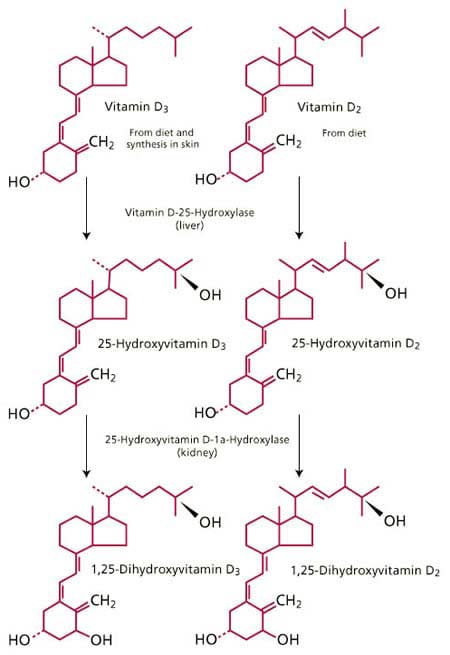
Difference between D2 and D3 Vitamin D is present in two forms, cholecalciferol (D3) and Ergocalciferol (D2). D2 is manufactured by plants or fungus. D3 is formed by the body as a result of sunlight exposure and to some degree by animal products. Other differences about them is that D3 has a longer shelf life, and D2 can be toxic in most patient at high doses. Most of the beneficial effects of the Vitamin D have been contributed to D3. Further discussion here.
DS Emergency Card
March 07, 2010 1:09 pm
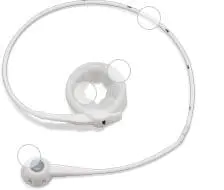
Carrying a DS Emergency Card with you may help ensure you get the care you need should you require medical attention. This card outlines your modified anatomy and provides space for you to fill in your surgeon’s contact information. Thank you to Greg D. for creating this card.

Conversation with Your PCP
March 07, 2010 1:06 pm
by Diana C.
The conversation with your PCP document to follow is a draft letter which I wrote to help DSers communicate with their PCPs and other doctors about their surgery and about the need for communication between them and their medical care providers. Please feel free to revise, personalize, tone down, or otherwise adjust for your needs. You may want to update the list of annual labs; for example, adding copper, vitamins K and E.
[shaking hands] Hello Dr. _________. My name is [use FULL name]. Before we start our relationship, I think it is important that you understand a fundamental fact about me and my medical history. I have had a form of bariatric surgery known as the duodenal switch. I spent <months, years=””>studying this procedure as well as other bariatric surgeries before I decided the duodenal switch was the right surgery for me. I feel quite confident that I am knowledgeable about my surgery and my post-op care. I hope that you will agree to become educated about it if you undertake my care. It is of CRITICAL importance to me that you do not dismiss my knowledge or concerns, and that you treat me with respect regarding these matters, so if this is not something you are comfortable with, please let me know now so that I can find a doctor who can “work with me.”
Please understand up front the duodenal switch is not the RNY gastric bypass surgery. It is a very different surgery and my needs and life style post op are very different from someone who has had the RNY.
The duodenal switch procedure is actually a two part surgery, including a vertical sleeve gastrectomy and the duodenal switch intestinal reconstruction. Here is a picture of my gastric and bowel reconstruction:

Please note that I have a fully functional, although smaller stomach, so I can still be examined endoscopically just like normal person, at least to the level of the duodenal anastomosis (which may be a side-to-end rather than end-to-end anastomosis as pictured). I can also have a colonoscopy like a normal person, but if I have to have an upper GI, a CAT scan or other procedure that involves visualizing or cleaning out my gastrointestinal tract, I need consideration taken of using smaller volumes of swallowed contrast material or bowel cleansing medium. [depending on your surgery, you might note that you did or didn’t have your gall bladder and appendix removed]
There are some very specific medical issues that I need your help in managing over time, and for that, I need you to understand some of the ramifications of the DS procedure:
- I have had a combined restrictive-malabsorptive procedure in which the restrictive part will substantially resolve over time, but malabsorptive part is permanent.
- Because of this malabsorption, I need regular bloodwork to confirm I am absorbing enough protein, vitamins, and minerals. Please see the list that I have attached of blood tests that I need annually or more often if I am having a problem.
- I malabsorb DIFFERENT vitamins and micronutrients from gastric bypass patients, and I need you to NOT make assumptions based on what you may have read about regarding different procedures. In addition, time-release medications may not be appropriate for me.
- I take a number of supplements [and medications], which I have listed on the attached sheet.
- Fat-soluble vitamin and calcium malabsorption are primary concerns because of the duodenal bypass, and must be monitored closely — and SPECIFIC tests that my surgeon recommends must be ordered routinely — this is NOT negotiable. Calcium must be monitored via PTH and vitamin D3 — perhaps not the usual tests you routinely order for non-DS patients, but none the less I will need this testing frequently and I will need your support in this matter. I may also ask you to provide me with or fax copies of my lab results to my DS surgeon, who has additional expertise in helping me manage my post-op long-term care. A copy of my annual lab requirement is attached.
- From time to time there may be specialized tests that my DS surgeon will request and I will need you to support and respect these requests.
- Other tests, such as albumin, liver function, etc., are also extremely important, as is a baseline and at least every other year I will need a DEXA scan.
- I do not absorb 80% of the fat that I consume, so please do not get concerned that I am eating too much fat. I also malabsorb about 30-50% of the protein and complex carbohydrates I eat, so I must eat more protein than you might think appropriate.
- My primary challenges with living with the DS are, in no particular order:
- Eating 80-100 g of protein/day
- Taking my supplements
- Monitoring my labs to head off any problems as quickly as possible
- Dealing with the stool and gas issues, both volume and smell, which in most cases may be a direct result of my diet: complex carbohydrates, especially white flour, increase the smell and volume of both, and too much fat can cause diarrhea
- Sometimes, constipation is also an issue.
- The intestinal bypass may result in imbalance in the bacterial flora and I may ask you to prescribe unusual antibiotics from time to time — perhaps even prophylactically if I have difficulties with gas and diarrhea – I need to know if you have a problem with this. You may be interested in information I have access to about non-prescription probiotic replacement products that I would be happy to share with you, and which you might find useful with your “normal” patients with intestinal issues such as IBS as well.
- Because I have a normally functioning stomach, I should not have any particular problems with taking NSAIDs or anticoagulants, in contrast with RNY patients.
- NOT every problem I have will be DS-related, just as NOT every problem I had pre-op was obesity-related (an unpleasant and dangerous issue many morbidly obese patients have experienced). Nevertheless, my DS needs to be taken into consideration if problems arise, either as a source of the problem or as a consideration in how medication will be absorbed.
- As with any abdominal surgery patient, I have an increased risk of bowel obstructions, even years after my DS surgery. These can be because of bowel slipping into internal hernias, or holes in the mesentery, as well as into spaces that develop because I have lost abdominal fat. However, there is one very important issue that is particular to the differential diagnosis of bowel obstruction in DS patients (as well as, to a lesser extent, in RNY patients): we can have a complete intestinal obstruction and still be passing stool and gas, because the obstruction can be in the biliopancreatic limb (and thus the alimentary limb could still be fully patent). Thus, it may be necessary to order a CAT scan for me if I present with severe belly pain, even if I am still able to pass stool and gas.
I take the following supplements and medications: [modify based on the supplements and medications you take]
- Calcium citrate: ____ mg/day (this dosage includes ____ mg of Vitamin D, ____ mg of magnesium and ____ mg of zinc)
- Multivitamins: Prenatal (brand), 1/day
- Protonix, a proton pump inhibitor to help reduce the acid in my stomach
- Levoxyl for my hypothyroid
My DS surgeon is Dr. _________, who can be reached at the following telephone number: __________. If I ever have a problem that you feel requires speaking with him/her, please know that s/he can and should be consulted directly. If you feel a HIPAA release is needed, I will be happy to sign one.
If you are interested, I can provide you with additional scientific publications and websites to read. This should be sufficient to let you know what I need out of our professional relationship, and for you to decide whether you can accommodate my request to be an active participant in my health care.
ANNUAL DUODENAL SWITCH LAB ORDERS
Dx: POST-SURGICAL MALABSORPTION, 579.3a
Please Draw the Following:
- CBC
- COMPREHENSIVE METABOLIC PANEL
- FASTING LIPID PANEL
- FERRITIN
- FOLATE
- IRON
- MMA (Methylmelonic Acid)
- PHOSPHORUS
- PTH, intact with Calcium
- TSH
- VITAMIN A
- VITAMIN B6
- VITAMIN B12
- VITAMIN D, 25 HYDROXY
- ZINC
Note:
VITAMIN A REQUIRES 2 ML FROZEN SERUM
VITAMIN B6 REQUIRES PLASMA – FOIL WRAPPED
Questions that were posted on the obesity help website
January 25, 2010 4:33 am
Obesity Help Questions:
Here are several explanations to a question that were posted on the obesity help website:
The Swedish Obese subject group of studies (SOS studies) have been looking at a lot of the questions that are raised.
 1.) Diet and exercise in relation to weight loss surgery. The study found weight loss surgical procedures far more superior to the conventional diet and exercise plans. Their original data offered a relationship between the nonsurgical method and the RNY gastric bypass, VBG, and banding procedures. The long-term outcomes in 15 years of data were plotted and it is significant that the control (the nonsurgical group) had no sustained weight loss.
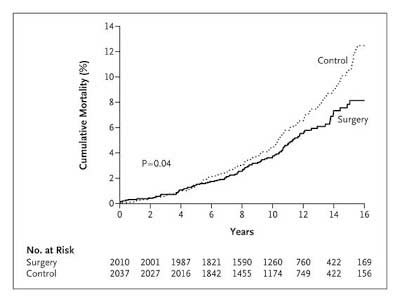
2.) The follow-up question was asked to find if there are any life-extending benefits to weight loss surgical procedures. This is a question that has only recently been answered, since it takes time to know if patients who have had weight loss surgery live longer or not. The published data in NEJM in 2007 by the SOS group answered this same specific question.
Ara Keshishian, MD, FACS, FASMBS
The graphs are from https://content.nejm.org/cgi/content/full/357/8/741