
Category: Obesity
Gastro-gastric fistula after gastric bypass operation
May 10, 2013 9:09 pm
One of the complications of gastric bypass is a gastro gastric fistula. This happens when a connection between the gastric bypass pouch develops to the remnant stomach. In a gastric bypass operation, a very small pouch is created from the stomach, and connected to a segment of the small bowel.
The purpose of this operation is to decrease over 95% of the volume of the stomach. In theory, the benefits of this is to reduce the volume of food that can be consumed. Over time, the size of the stomach pouch, and/or size of the gastro-jejunostomy anastomosis might stretch. This result in weight regain that is very commonly seen in about 3 years after a gastric bypass operation.
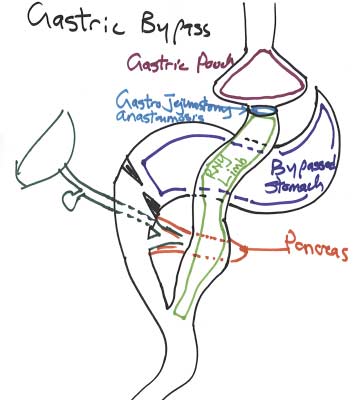
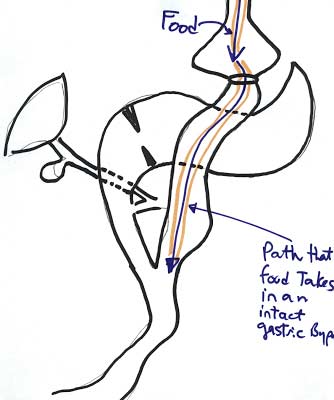
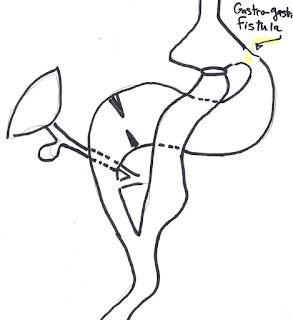
One of the complications of gastric bypass is a gastro gastric fistula. This happens when a connection between the gastric bypass pouch develops to the remnant stomach. In a gastric bypass operation, a very small pouch is created from the stomach, and connected to a segment of the small bowel.
The purpose of this operation is to decrease over 95% of the volume of the stomach. In theory, the benefits of this is to reduce the volume of food that can be consumed. Over time, the size of the stomach pouch, and/or size of the gastro-jejunostomy anastomosis might stretch. This result in weight regain that is very commonly seen in about 3 years after a gastric bypass operation.
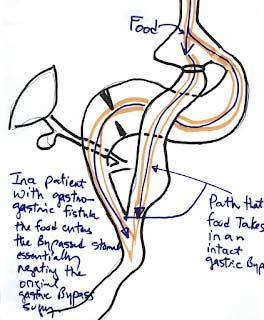
Another possible explanation for weight regain may be an abnormal connection that may develop over time between the bypassed stomach and the small pouch that was created. This abnormal connection is known as a gastro-gastric fistula. In a patient who may have a gastro-gastric fistula, the food can travel down the gastric bypass path or enter the bypassed stomach and go down the path of a normal anatomy.
In these cases, the physiological effect of a gastric bypass procedure becomes ineffective.
The treatment that I favor most for correcting the complication of the gastro-gastric fistula is is to revise the gastric bypass to the duodenal switch operation.
Stages of Liver Failure
January 08, 2013 9:38 pm
The liver is probably one of the most forgiving organs when it comes to recovering from an injury. It can take a significant amount of “non structural” injuries and still be able to carry out its function. It is the only solid organ capable of regenerating its volume after a major resection. When a part of the liver is removed, it is within a matter of months that the size of the remaining liver increases to replace the removed portion.
A liver injury can be caused by a number of elements. In regards to weight loss surgery, these elements include alcohol consumption, high doses of Tylenol, excessive weight loss, and the most significant condition called steatohepatitis, also known as “fatty infiltration”. Steatohepatitis causes structural changes in the liver. Over time, the structural changes cause the liver to progress to an end-stage liver disease that requires a transplant. Structural changes to the liver injury are irreversible.
The healthy liver is normally soft and beefy-red with a very smooth and shiny outer layer.
How does steatohepatitis harm the liver? As the fat concentration of the liver increases, the liver loses its sharp edge and becomes distended with small pockets of fat that are visible as yellow satellite lesions.
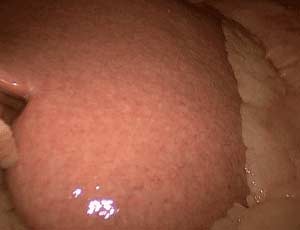
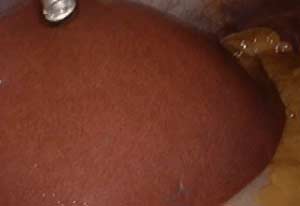
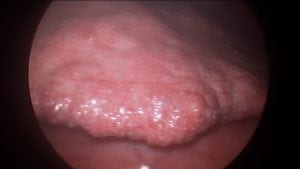
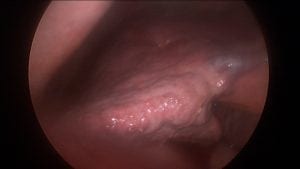
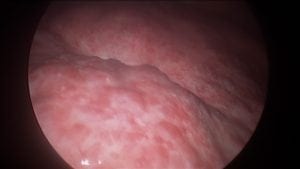
The healthy liver is normally soft and beefy-red with a very smooth and shiny outer layer.
How does steatohepatitis harm the liver? As the fat concentration of the liver increases, the liver loses its sharp edge and becomes distended with small pockets of fat that are visible as yellow satellite lesions.
This is gross evidence of steatohepatitis, which is commonly known as fatty infiltration of the liver. The most common cause of this is obesity, in addition to medications such as insulin that are used to treat diabetes. If the underlying cause of steatohepatitis is not addressed, then the liver damage will progressively continue to worsen and eventually be resolved in the structural changes to the liver.
If the physiologic injury to the liver continues unabated, it will develop irreversible cirrhosis. An increasingly continuous insult to the liver will result in sudden liver failure, which will require a liver transplant.
Weight loss information
September 22, 2009 4:22 am
- Cholangitis May 24, 2026
- Bile Reflux Gastritis May 19, 2026
- Sphincter of Oddi Dysfunction April 26, 2026
- Types of HyperParathyroidism February 20, 2026
- Vitamin D level and Liver Function Test (LFT) elevation February 8, 2026