
Newsmaker
There is an continuous stream of information that highlight the importance of certain supplement. As post up patient you may not be able to tolerate the source food of those minerals and vitamins. Green vegetables may be a good source of Folate, yet they may cause increase bowel movements. In Contrast nuts may be much better tolerated..
Ara Keshishian, MD, FACS
New Evidence On Folic Acid In Diet And Colon Cancer
Researchers in the United Kingdom and Texas are reporting a new, more detailed explanation for the link between low folate intake and an increased risk for colon cancer, the second leading cause of cancer
death in the United States.
Their study reinforces the importance of folate in a healthy diet. Susan Duthie and colleagues note that researchers have known for years that a deficiency
of folate, one of the B vitamins commonly called folic acid, increases the risk of birth defects. As a result, manufacturers enrich some foods with folate.
Scientists also have found that low folate in the diet increases the risk of developing colon cancer in adults. However, scientists lack an adequate explanation of how folate depletion affects the genes, proteins, and cells
involved in cancer. In this new research, scientists grew human colon cells in folatedepleted and folateenriched tissue culture. They found that folate depletion caused increased DNA damage and a cascade of other biological changes linked to an increased cancer risk.
About Folic Acid
What is folic acid?
- Folic acid, also called folate or folacin, is a B vitamin often lacking in the diet.
- When consumed in adequate amounts by women before and during pregnancy, folic acid reduces the risk of serious birth defects of the
brain and spine, called neural tube defects. - Folates also are needed for cell growth and blood production. As a fetus grows, it takes folates from the mother’s blood, which in turn
creates a shortage in the mother. - Because of their control over homocysteine, an amino acid
produced by the body, folates are thought to give some protection against heart disease. High levels of homocysteine in the blood may be a risk factor for heart attacks. - Additional health benefits associated with folic acid consumption include reduction in depression, colon, cervical, and breast cancers. It also may help prevent memory loss and susceptibility to Parkinson’s disease.
Where do I get it?
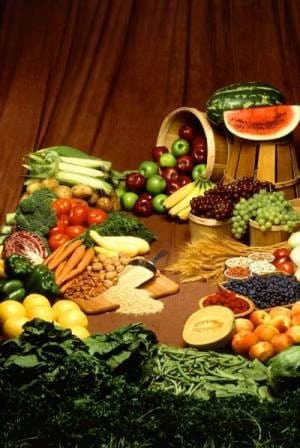
- Foods rich in folic acid include fortified breakfast cereals, enriched breads, pastas and grains, dried beans and peas, orange juice,
oranges, cantaloupe, avocados, green leafy vegetables, broccoli, lima
beans, nuts, and peanut butter. - Some cereals are fortified with 100 percent of the recommended daily amount of folic acid.
- Effective Jan. 1, 1998, enriched grain products, such as white bread and flour, pasta and rice, were required to be fortified with folic acid.
How much do I need?
- Females of childbearing age need 400 micrograms from fortified foods
and/or supplements daily in addition to what they get from food. Because spina bifida and similar birth defects occur in the first two weeks of pregnancy, women need to build up their folate stores long before they become pregnant. Once they realize they are pregnant, it is too late. - Because 50 percent of pregnancies in the United States are unplanned, it is even more crucial for all women of childbearing age to continually
consume large intakes of folic acid. - Centers for Disease Control and Prevention (CDC) reported a 26 percent decrease in the incidence of neural tube defects following folic acid fortification.
- Adult men and older women need 400 micrograms (μg) of folate.
- To obtain 400 micrograms per day through diet, eat according to the Dietary Guidelines for Americans and include a highly fortified breakfast cereal. For individuals unable to get enough folic acid from the diet, a vitamin supplement is strongly recommended.
- Grain foods and breakfast cereals contribute over 62 percent of dietary folic acid, according to a study conducted by the Bell Institute of Nutrition.
| Food | Folic Acid μg/Serving |
| Ready-to-eat breakfast cereal | 100 – 400/serving; read labels |
| Enriched wheat tortilla | 98 / one 8″ tortilla |
| Lentils, cooked | 180 / cup |
| Black-eyed peas, dried, cooked | 105 / half cup |
| Pinto beans,chickpeas, cooked | 140 – 145 / half cup |
| Asparagus | 110 / 5 spears |
| Whole wheat pasta | 23 / half cup |
| Sunflower seeds, dry-roasted | 152 / half cup |
- Weight loss Medications compared to surgery February 20, 2024
- SIPS-SADI and ASMBS December 31, 2023
- Survey December 16, 2023
- Long Term Outcome Survey December 1, 2023
- Weight Loss Injection May 10, 2023
Leave a Reply